The Symptom
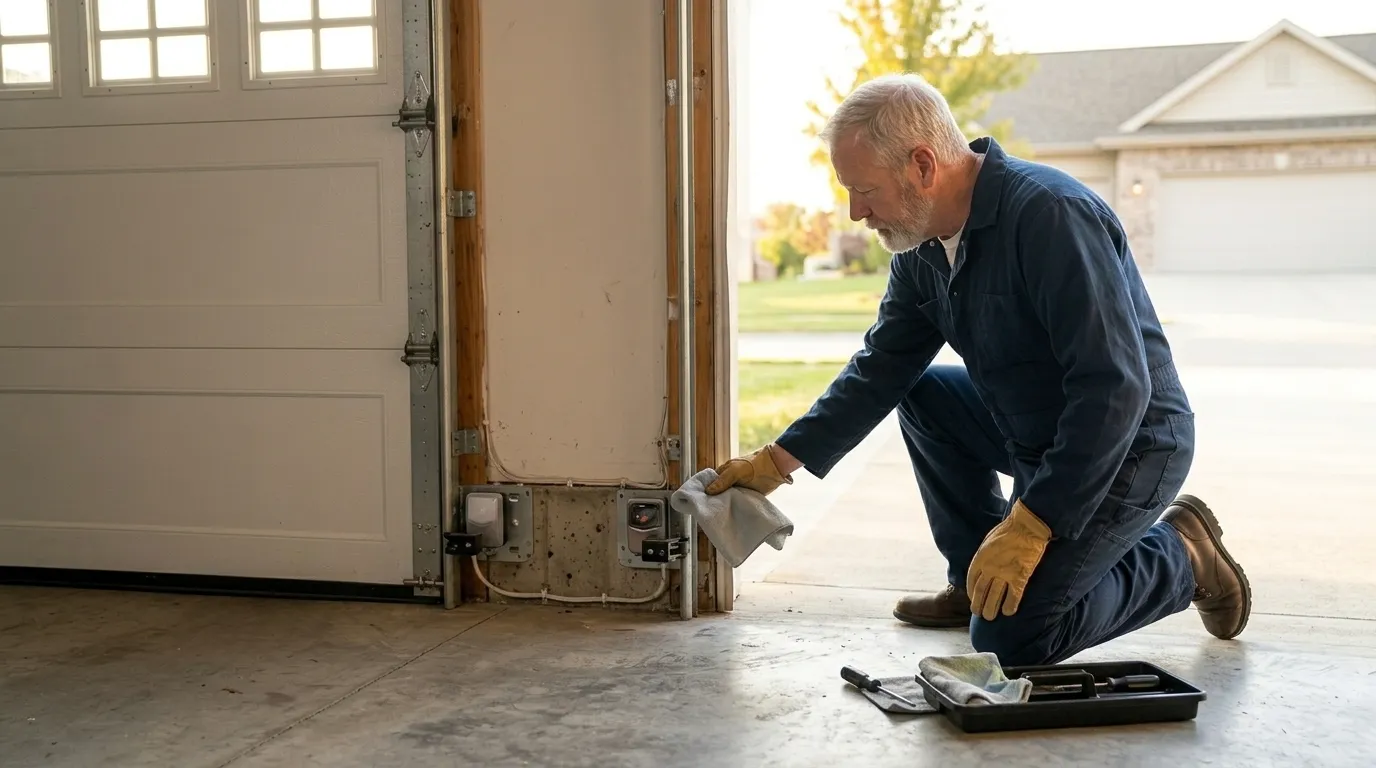
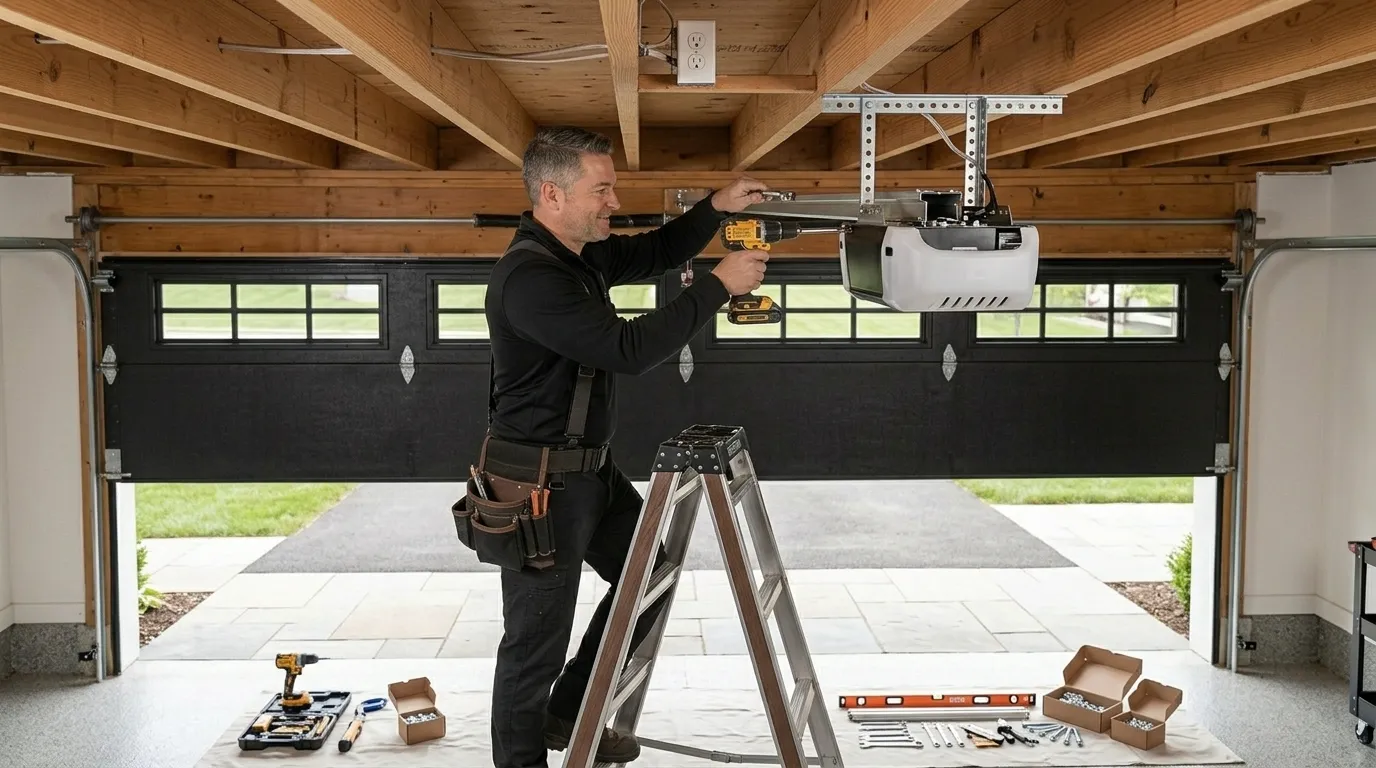
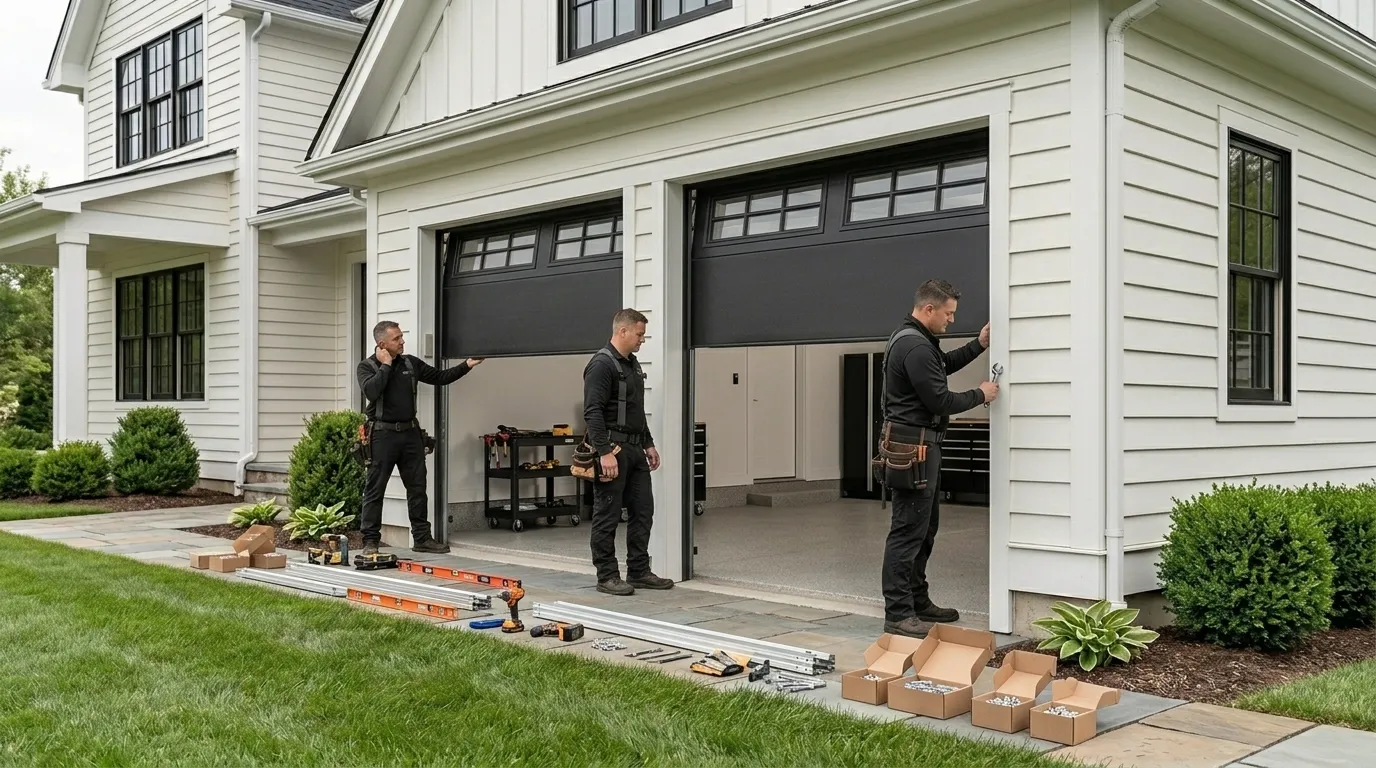
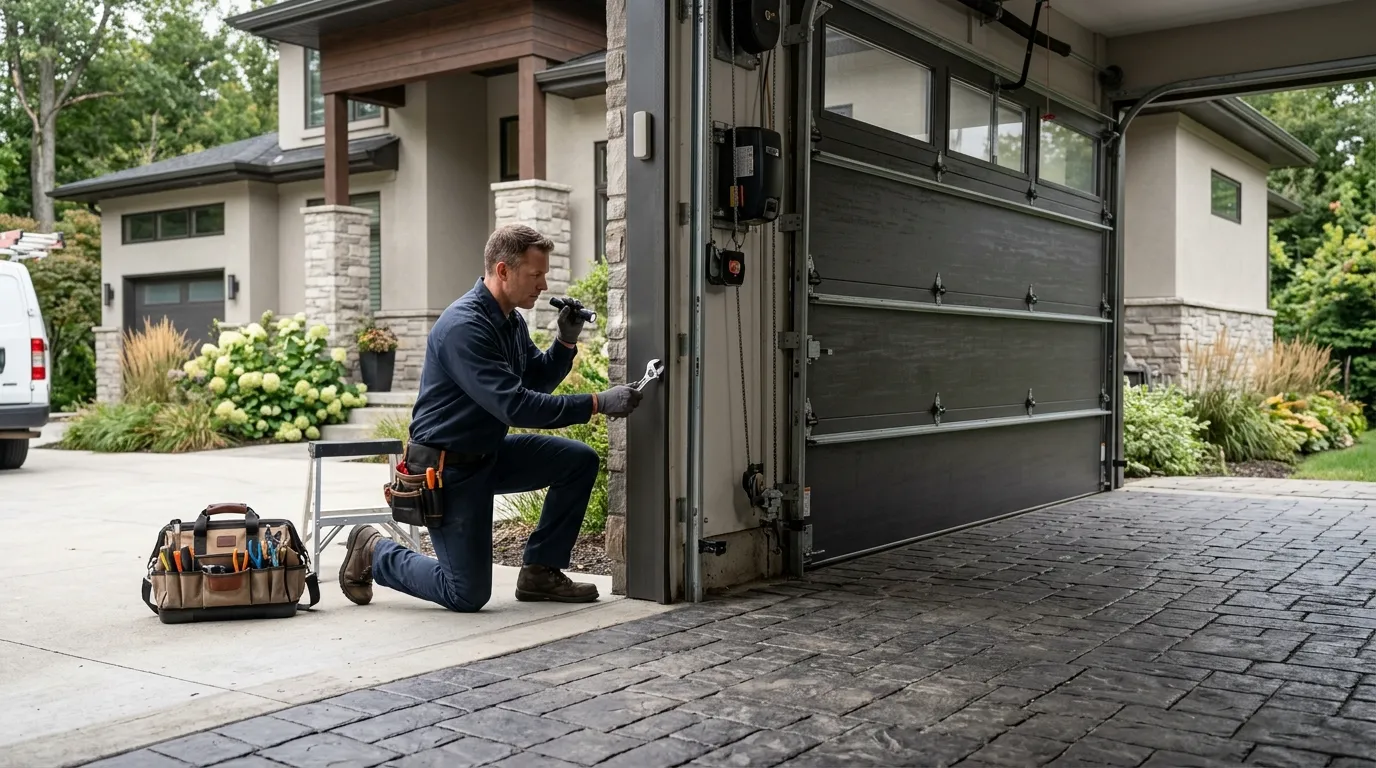
The most common call is a door that won't move at all - you hit the remote, the opener hums or clicks, and nothing happens. That's almost always a broken torsion spring; the opener isn't strong enough to lift a door on its own once the spring lets go. Close behind that: a door that shudders, jerks, or reverses partway up, which usually points to a spring that's still intact but weakening, or a cable starting to fray off a drum. A grinding or slapping noise when the door runs is often a roller or bearing plate that's worn past its lubrication point - not surprising on hardware installed during that 1980s-90s build wave. Openers on houses from that same era are also just old enough that circuit boards and gear sets fail outright, especially after repeated heat cycles in the garage attic space above them. If your door works fine in the morning and struggles by afternoon, that's a heat-related symptom, not a mechanical mystery.
Can You Do This Yourself
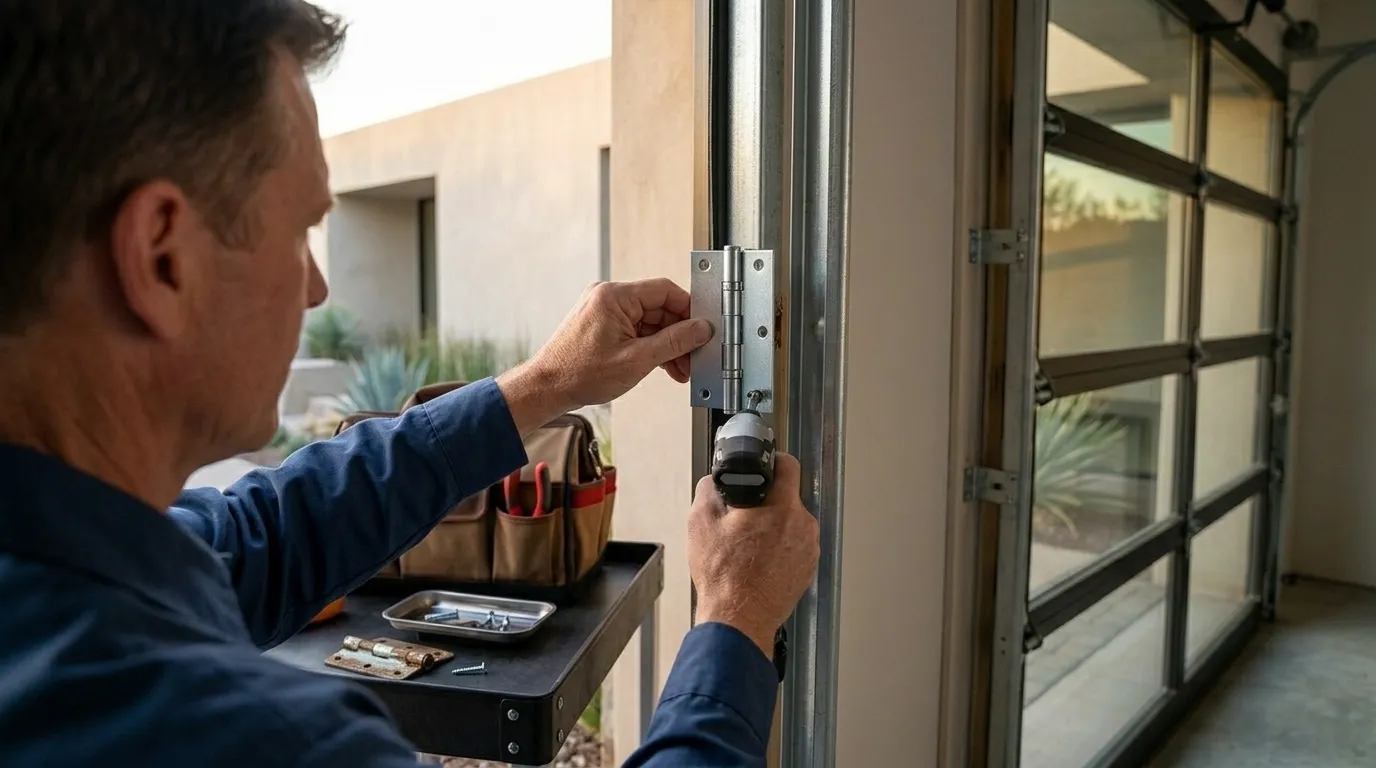
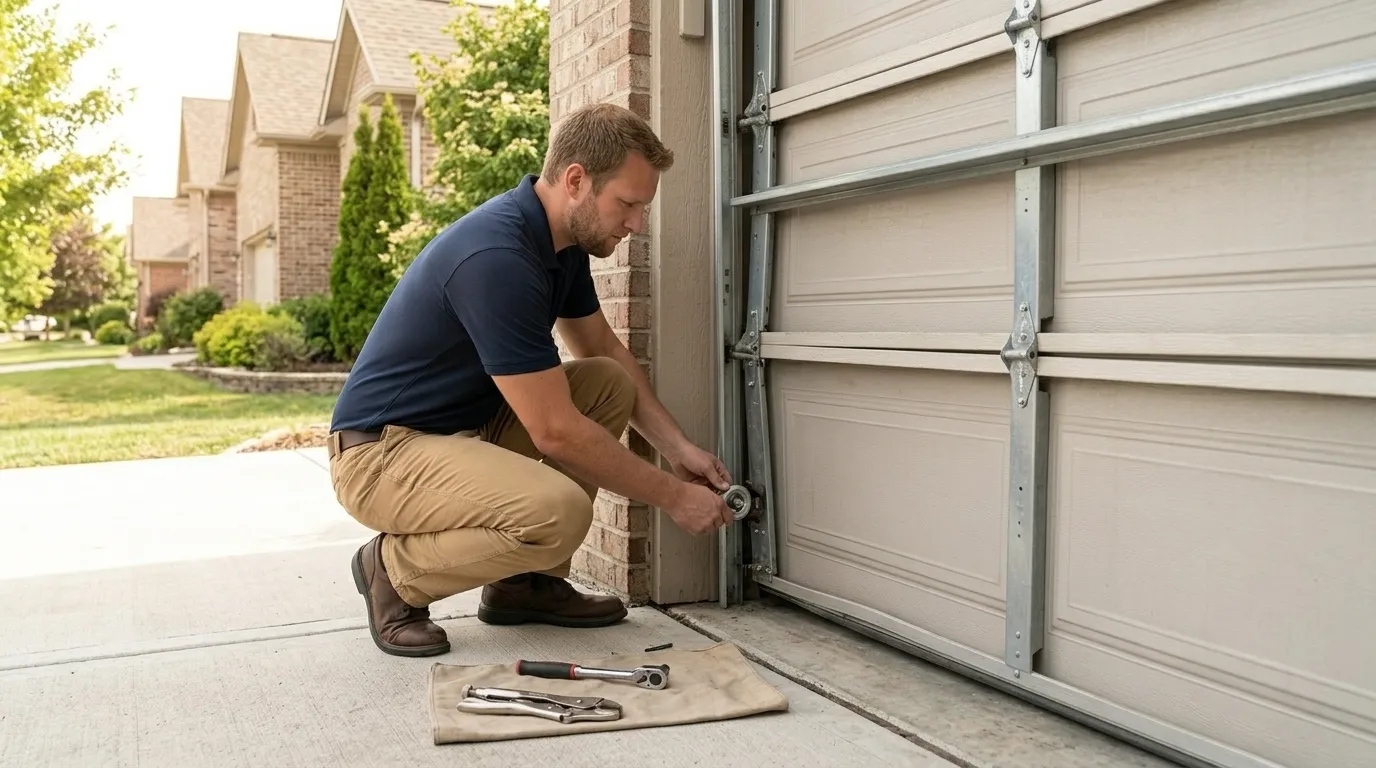
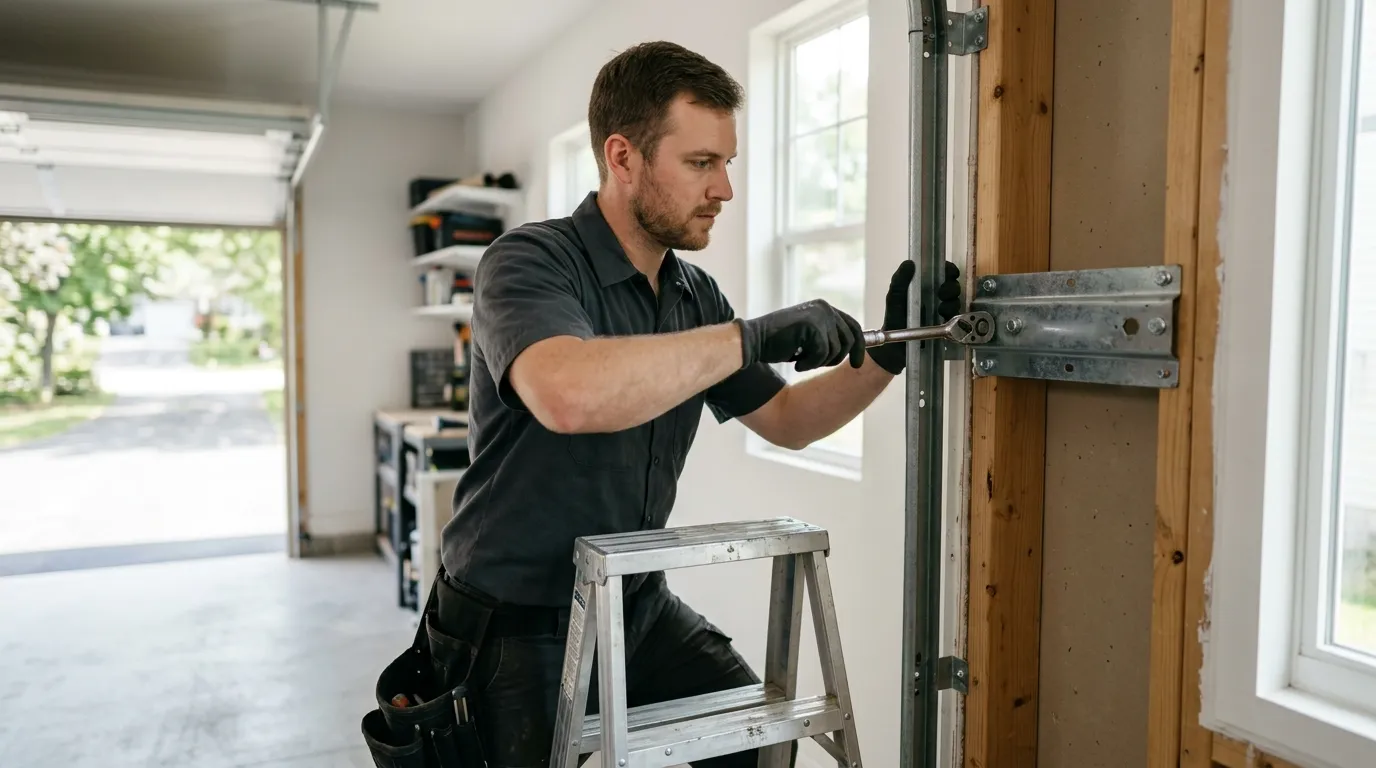
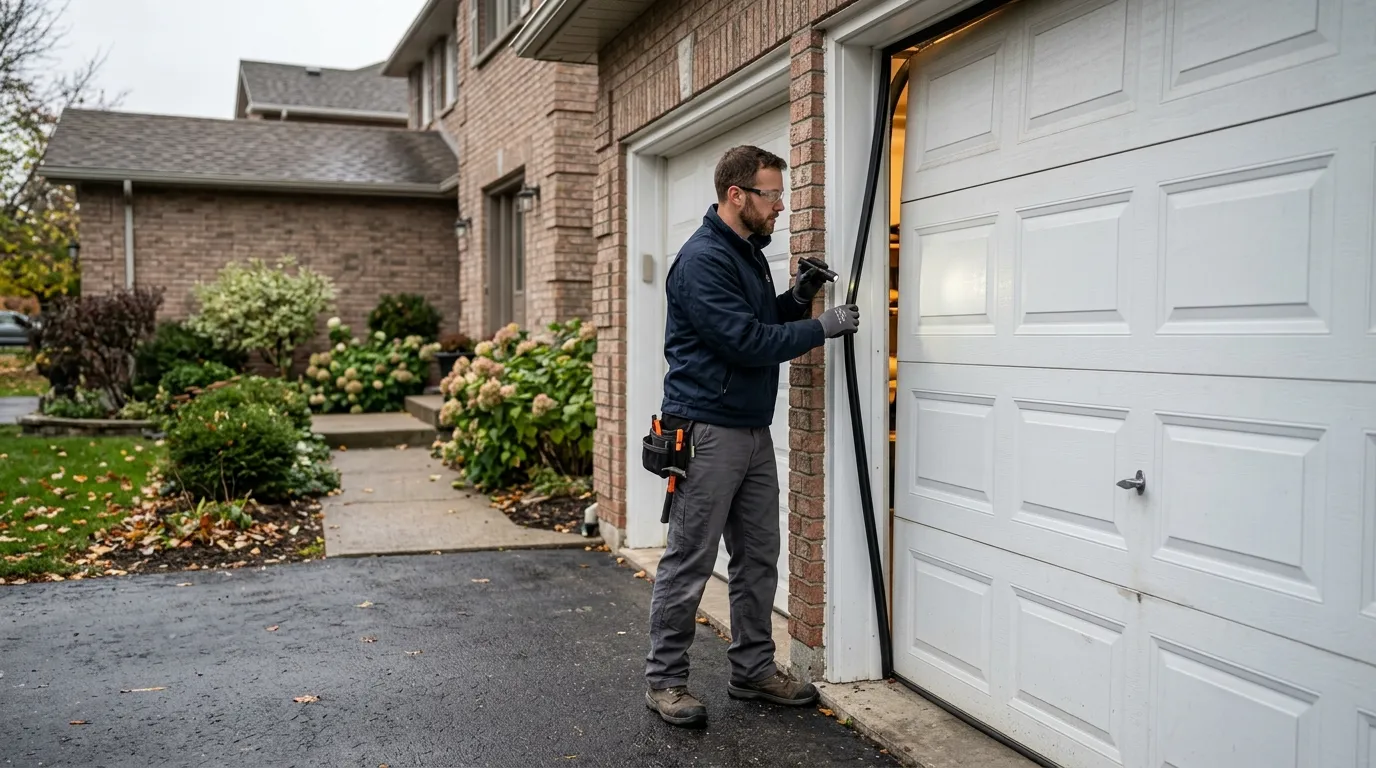
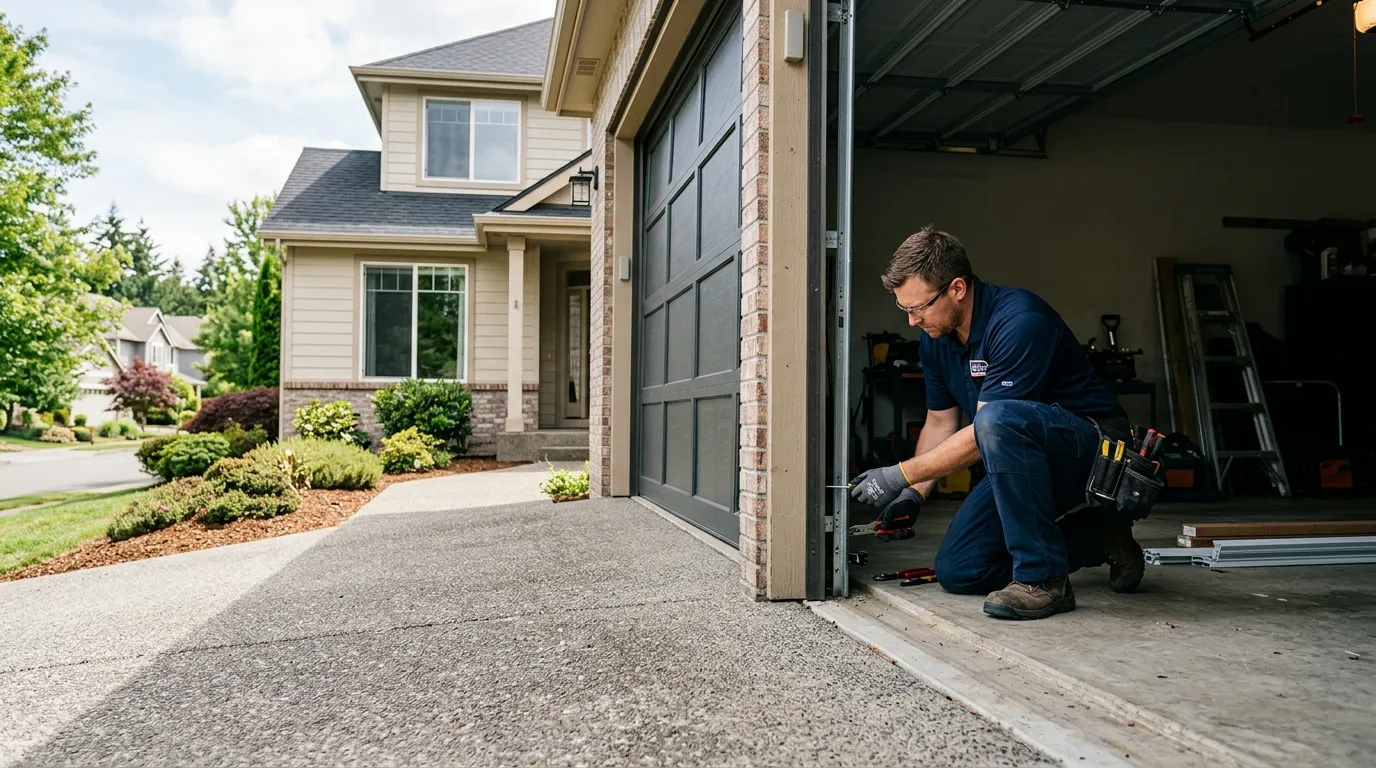
Some of this is fair game for a homeowner - tightening loose track brackets, cleaning and lubricating rollers, replacing a worn weatherstrip. None of that requires a truck. A broken torsion spring is a different situation. Springs on a residential door are wound under enough tension to cause serious injury, and the tools to wind them safely aren't something most garages have lying around. We won't talk anyone through doing that over the phone, and we'd rather say so upfront than have someone hurt themselves trying. Given a median household income of $146,314 across the Irving service area and roughly 86,095 owner-occupied houses among 175,535 households, a lot of these garages are also the only vehicle bay for a two-income household - which makes a bad DIY attempt that damages the opener or bends the track a more expensive mistake than the original repair would have been. If the door is off track, cabled wrong, or the spring is broken, that's a call, not a weekend project.