Irving homes built 1959-2010 often carry doors from before insulation codes tightened. See what to check first, how the heat plays in, and where owners go wrong.
Housing in this part of the Metroplex went up mostly between 1959 and 2010, with the median build year sitting around 1993. That range matters because a lot of doors still hanging on Irving garages predate the insulation standards that later became standard in new construction. If your house falls on the earlier end of that span, the first thing worth checking is whether the door itself has any foam core at all - a lot of steel doors from that era are single-layer skins with nothing behind them.
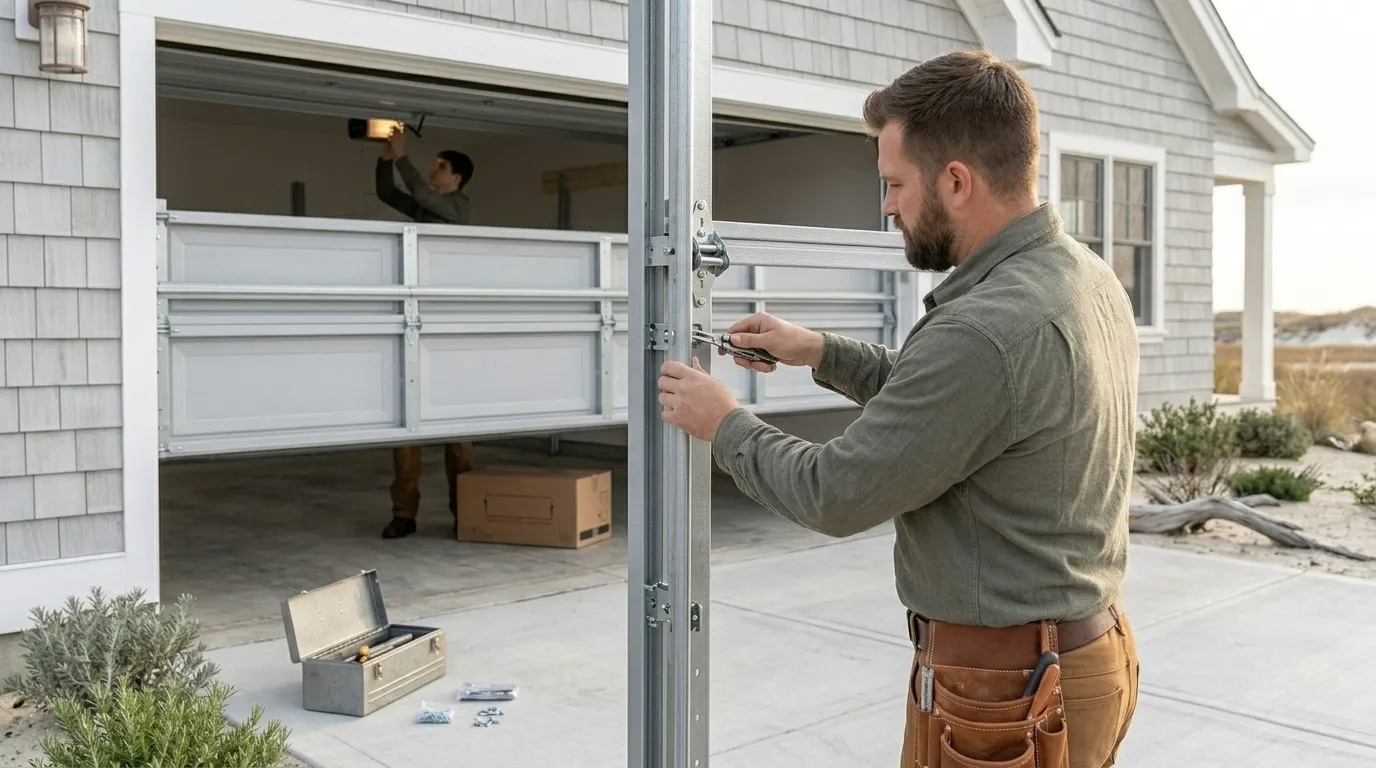
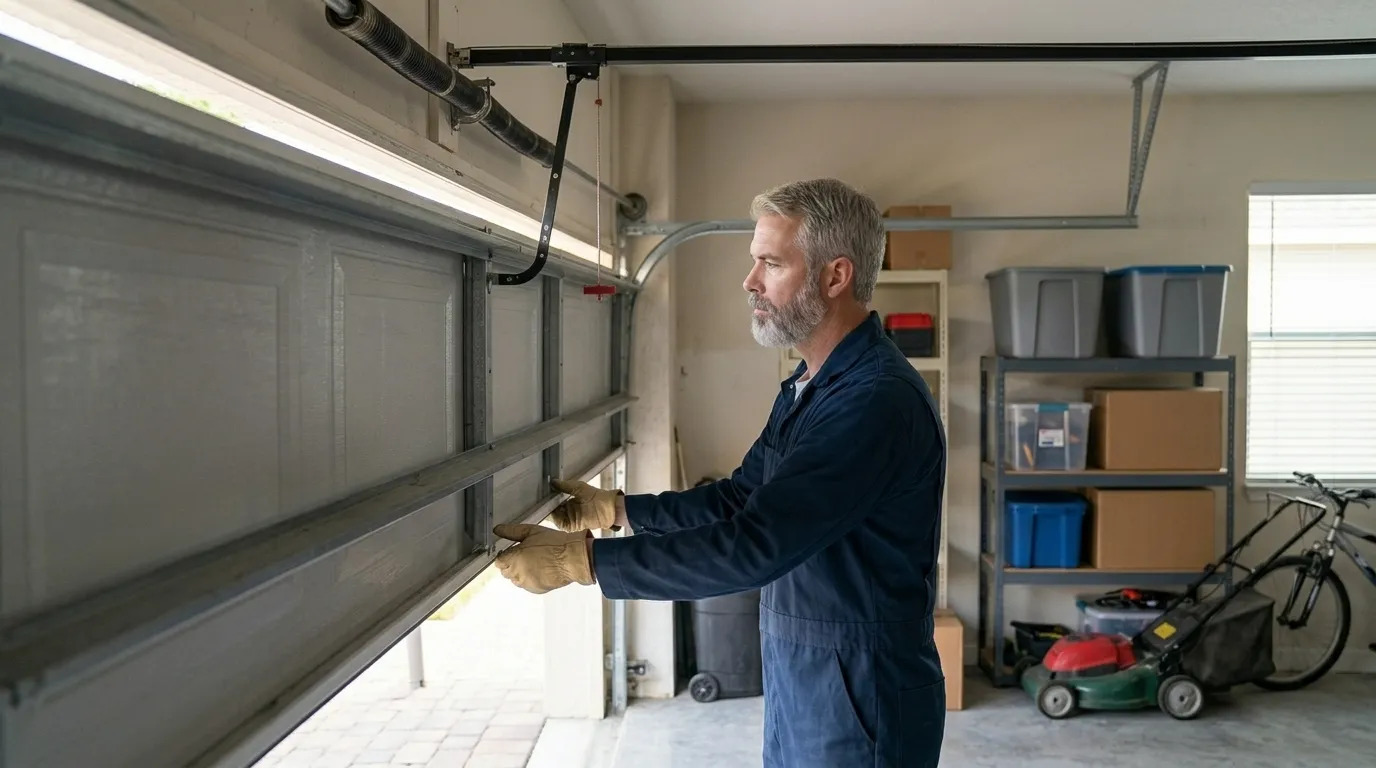
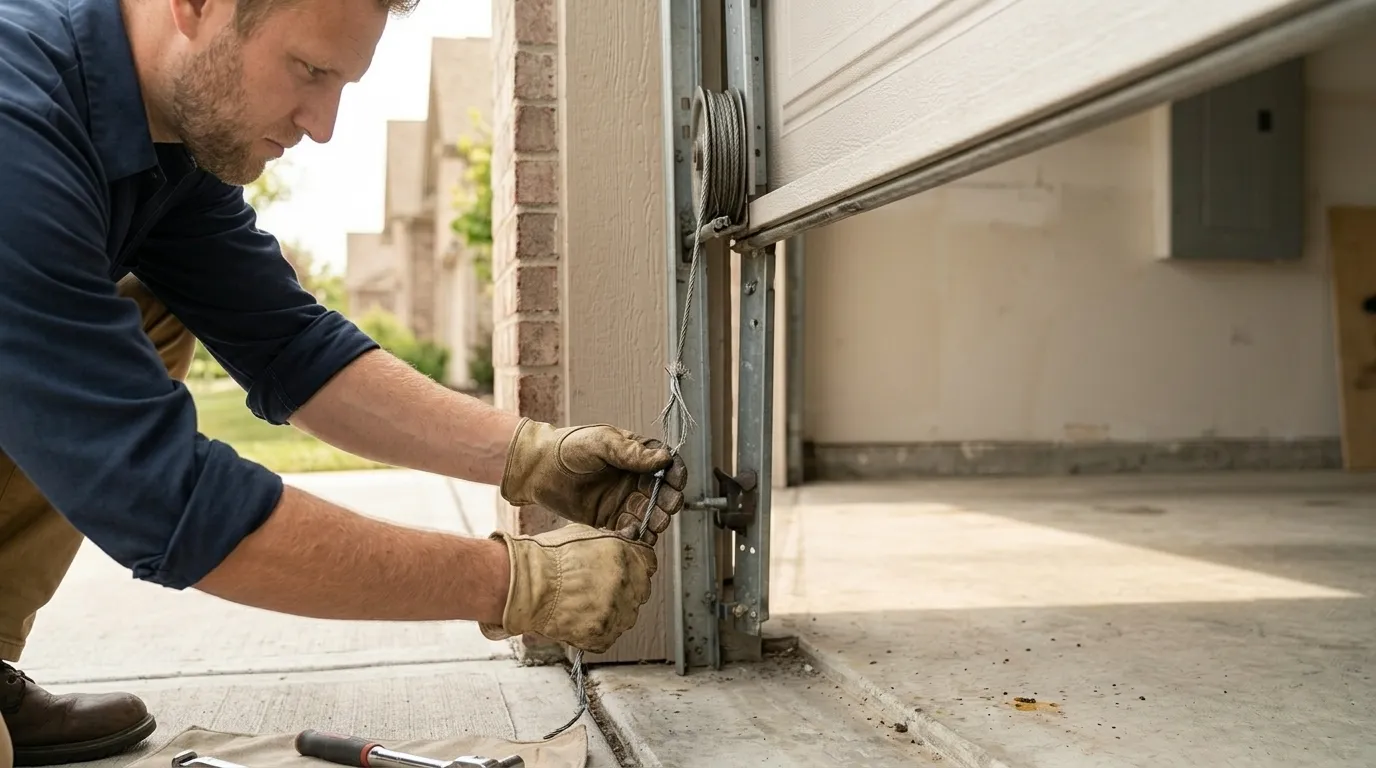
Look at the panel from the inside. If you can see bare metal ribbing and no backing material, you've got a door built before anyone worried much about what it cost to heat or cool the space behind it. That's not a defect, it's just the standard of its time. The second thing to check is the weatherstrip at the bottom and sides - on doors this age it's usually cracked, flattened, or missing outright, which lets in more heat than the door material itself ever will.
How Local Conditions Play In
This area sits in a moderate heat climate band, which doesn't mean mild - it means the swings between summer highs and winter cold are real enough to matter for anything metal and moving. A garage door without insulation acts like a giant heat sink most of the year here. Attached garages with an uninsulated door will run hotter than the rest of the house in summer, and that heat load transfers straight through the shared wall if there's living space next to it.
Across the 18 named areas that make up most of the housing stock here, the bulk of homes are 1980s-90s builds, which puts them squarely in the era where insulation wasn't yet a given on garage doors even as it became standard elsewhere in the house. That's the gap this service exists to close - not because the door is broken, but because it was never built for the job it's being asked to do now.
Where People Go Wrong
The common mistake is treating an uninsulated door as a cosmetic problem and replacing the panel skin or repainting it without touching what's behind it. That fixes how it looks, not how it performs. Another mistake, especially in houses from the earlier end of the 1959-2010 range, is assuming a new opener solves an old door's problems - it doesn't. An opener can't compensate for a warped, uninsulated panel that's already flexing in the frame.
With a median household income of $146,314 across the service area and a large share of owner-occupied houses, a lot of homeowners here can afford to replace rather than patch, but many still default to patching first because that's what the last contractor recommended. Patching a pre-insulation door buys a year or two, not a decade. If the door is original to a house built well before 1993, the honest call is usually replacement, not another round of weatherstrip.
What Is Going On
What's actually going on is a mismatch between housing age and current expectations. A door built in, say, 1975 or 1985 was never spec'd against the same standard a buyer expects walking into a home today. Nobody cut corners - insulation just wasn't part of the garage door conversation yet in most of this housing stock. That's true for houses close to Farmers Branch and out toward Grand Prairie and Trophy Club, since the building eras don't change much across that stretch.
One limitation worth being upfront about: we can't make a 30-year-old steel door as tight as a new one just by adding foam board to the inside. Retrofit kits help, but they don't match a door built with insulation from the start. If the door's frame is already loose or the panels are bowed, insulation is money spent on a door that needs replacing anyway - that's a call we'll make honestly when we're standing in front of it.
How it works
From “it’s stuck” to “it’s fixed”
01
Tell us what’s wrong
Describe the symptom - won’t open, loud bang, opener runs but the door won’t move.
02
On-site diagnosis
A technician tests the door under power and by hand and finds what actually failed.
03
Clear, up-front plan
You get the fix that’s needed and what drives the cost - before any work starts.
04
Repaired & tested
The repair is done, the door is set true and tested, and the work area left clean.
Serving Irving, TX - tell us what your door’s doing and we’ll take it from there.
Not necessarily. A lot of houses in this area were built between 1959 and 2010, with most going up in the 1980s and 90s, before insulated garage doors were standard. An uninsulated door isn't broken, it's just built to an older standard that didn't account for energy use the way current builds do.
Will adding insulation to my old door actually help?
It helps some, but a retrofit kit on a 30-year-old steel panel won't perform like a door built with insulation from the start. If the panel is already warped or the frame is loose, insulation is money better spent on replacement.
Why does my garage get so hot in summer?
This area sits in a moderate heat climate band, and an uninsulated steel door acts like a heat sink. If your garage shares a wall with living space, that heat transfers through, especially in houses from the earlier end of the 1959-2010 building range.
Ready to get your garage door sorted?
Tell us what it’s doing and where you are in Irving - we’ll take it from there.