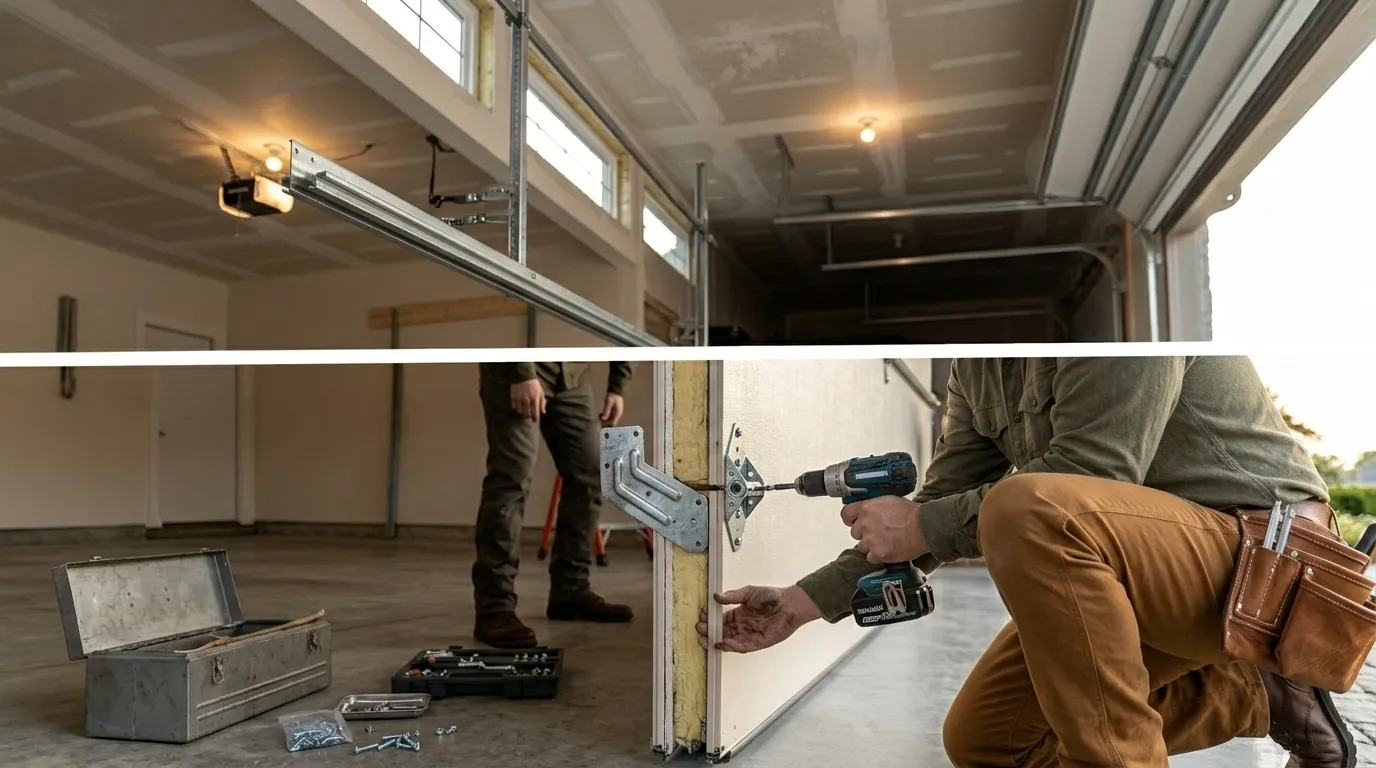
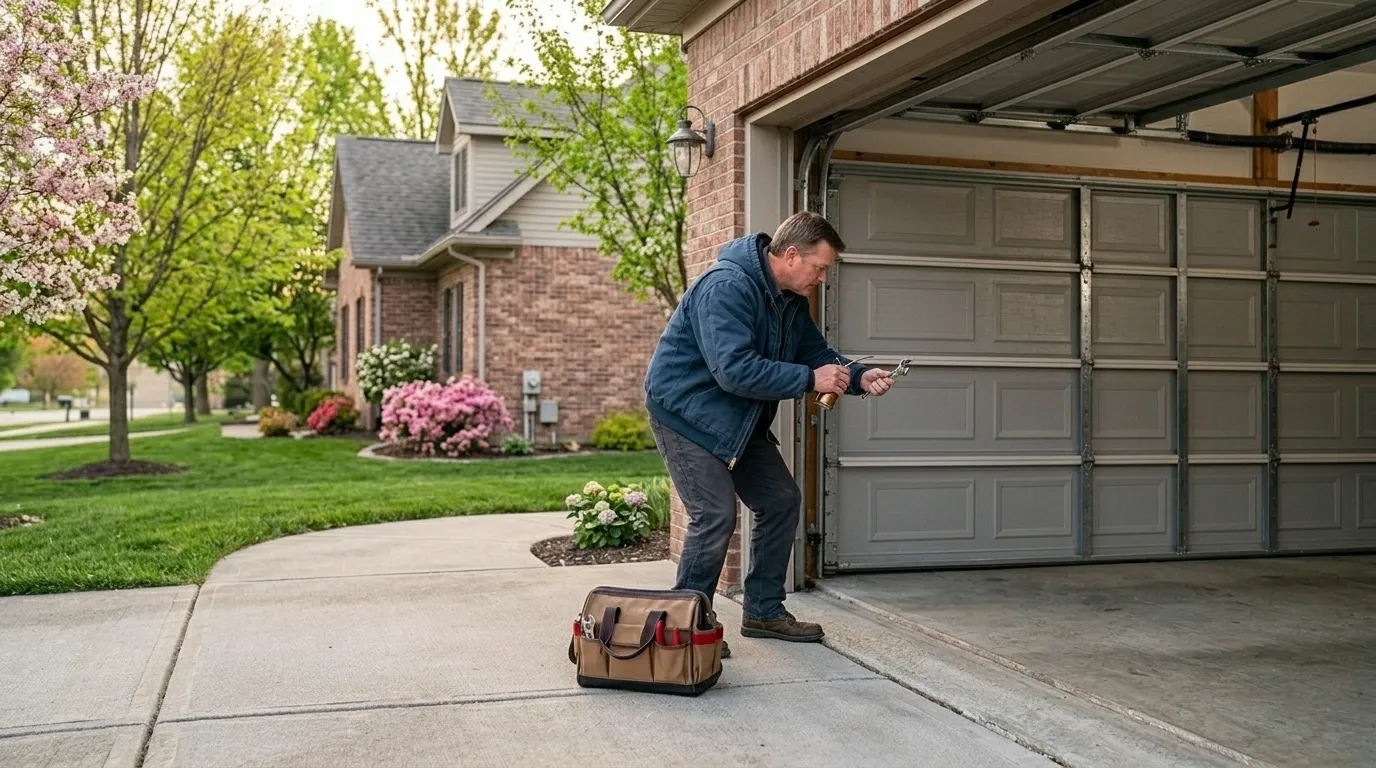
Copper Canyon homes mostly date to 2002, later than the surrounding service area's 1993 median. We work on the newer opener boards and hardware that come with that build era.
Copper Canyon's housing stock runs newer than most of what we see across the wider service area. The service area overall has a median build year of 1993, spread across houses from 1959 up through 2010, but Copper Canyon itself centers closer to 2002. That's not a small gap - it's roughly a decade, and a decade matters more in garage doors than in almost any other part of a house, because opener electronics and spring hardware both went through real changes in that window.
With only 835 households, this is one of the smaller pockets we cover, and it reads as a newer-build area compared to some of the older sections closer to Irving. Median household income here sits at $143,304, close to the broader area's $146,314, which tells us most of these are standard builder-grade installs rather than stripped-down economy units or high-end custom doors. That matters when we're sourcing a replacement panel or matching an opener - we're usually working with common, mid-tier hardware, not oddball parts.
What That Means for Doors
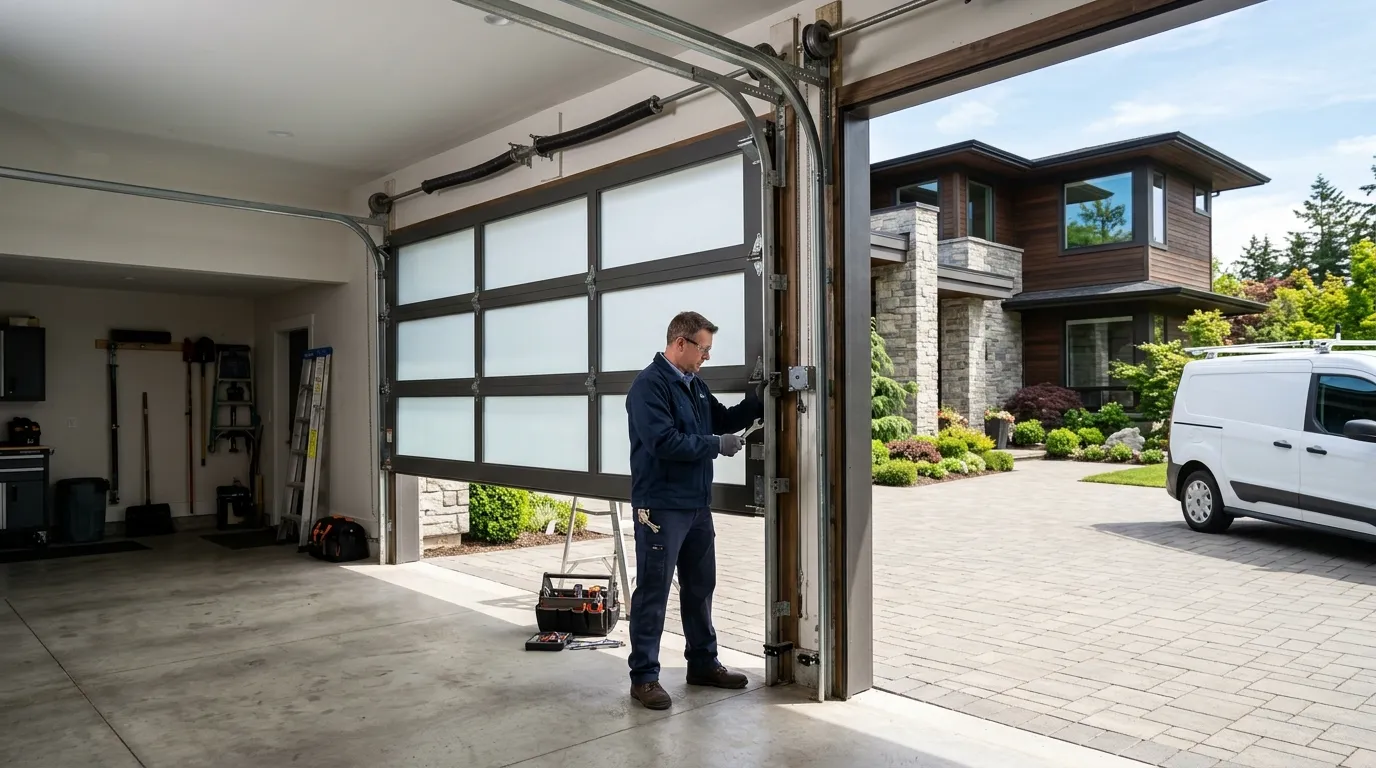
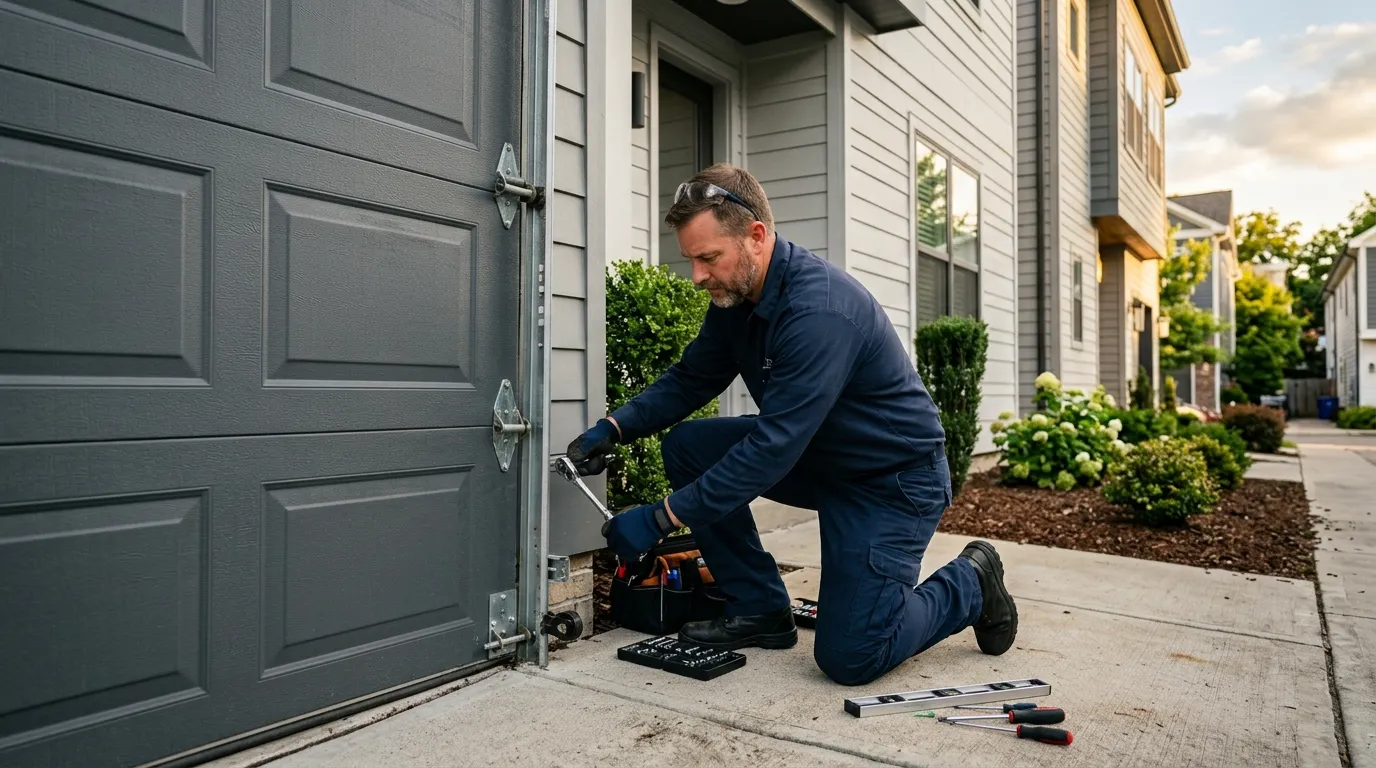
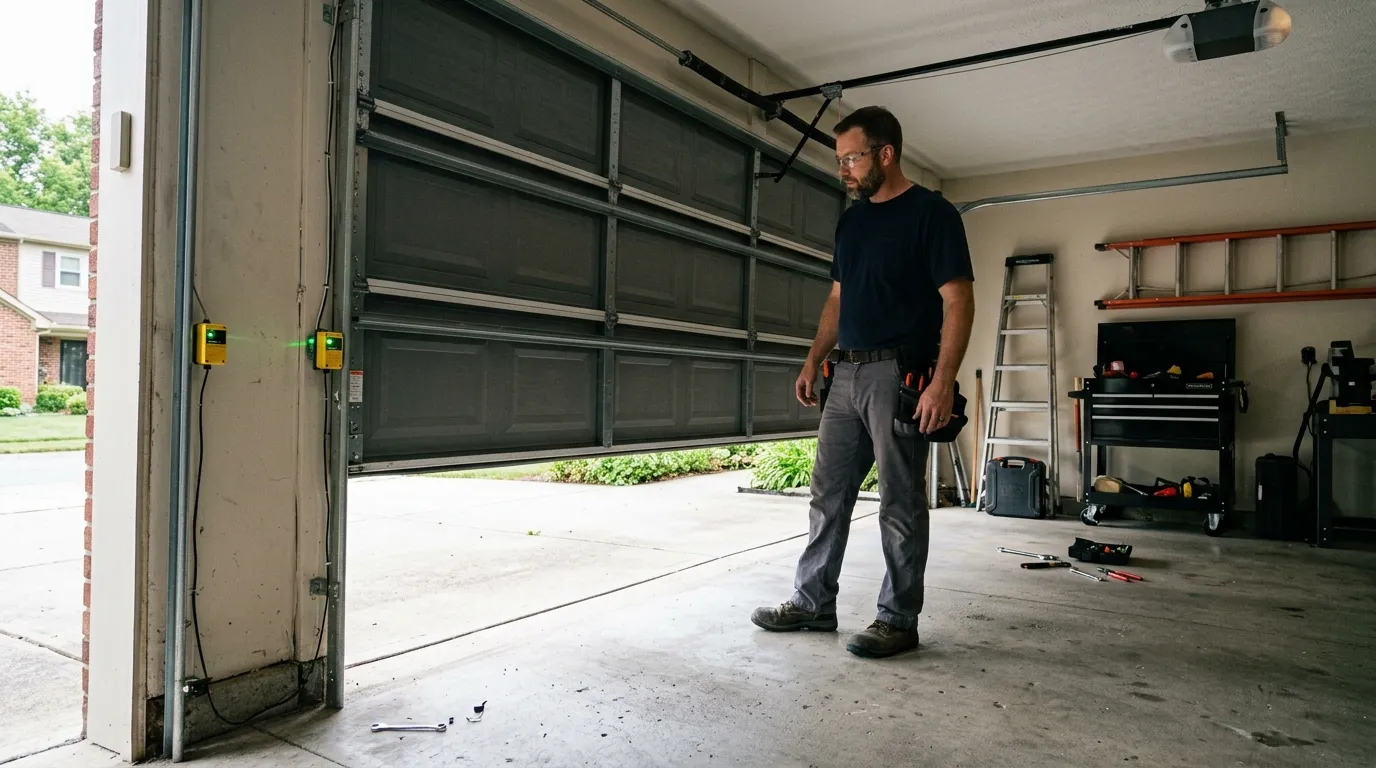
A house built around 2002 almost never has the original one-piece door and exposed torsion spring setup you'd find on something from the 1960s or 70s. What you're more likely to have is a sectional steel door on a standard extension or torsion spring, paired with an opener that already has a circuit board, a photo-eye safety sensor pair, and rolling-code remotes - because those became code-standard and market-standard well before 2002.
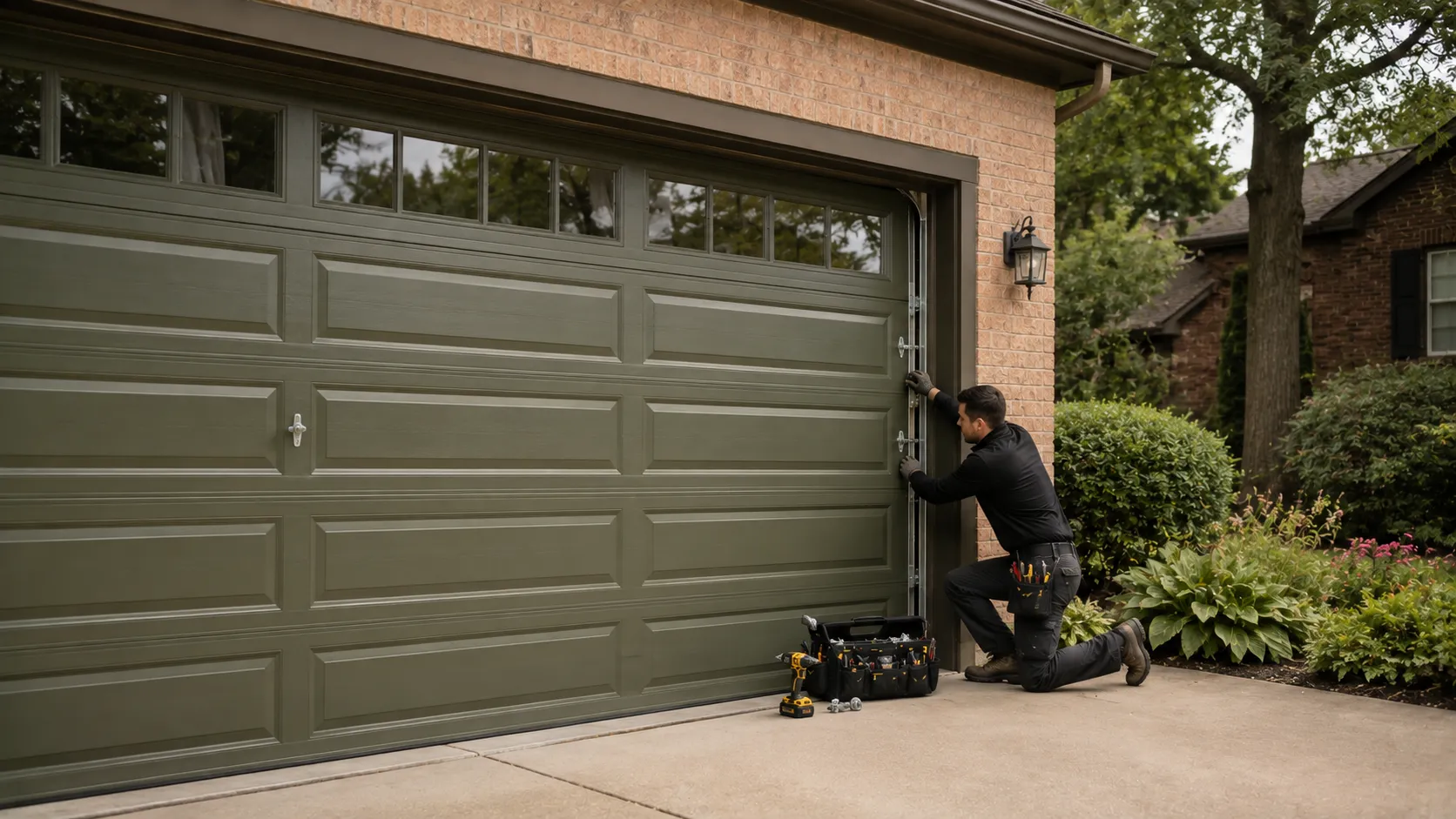
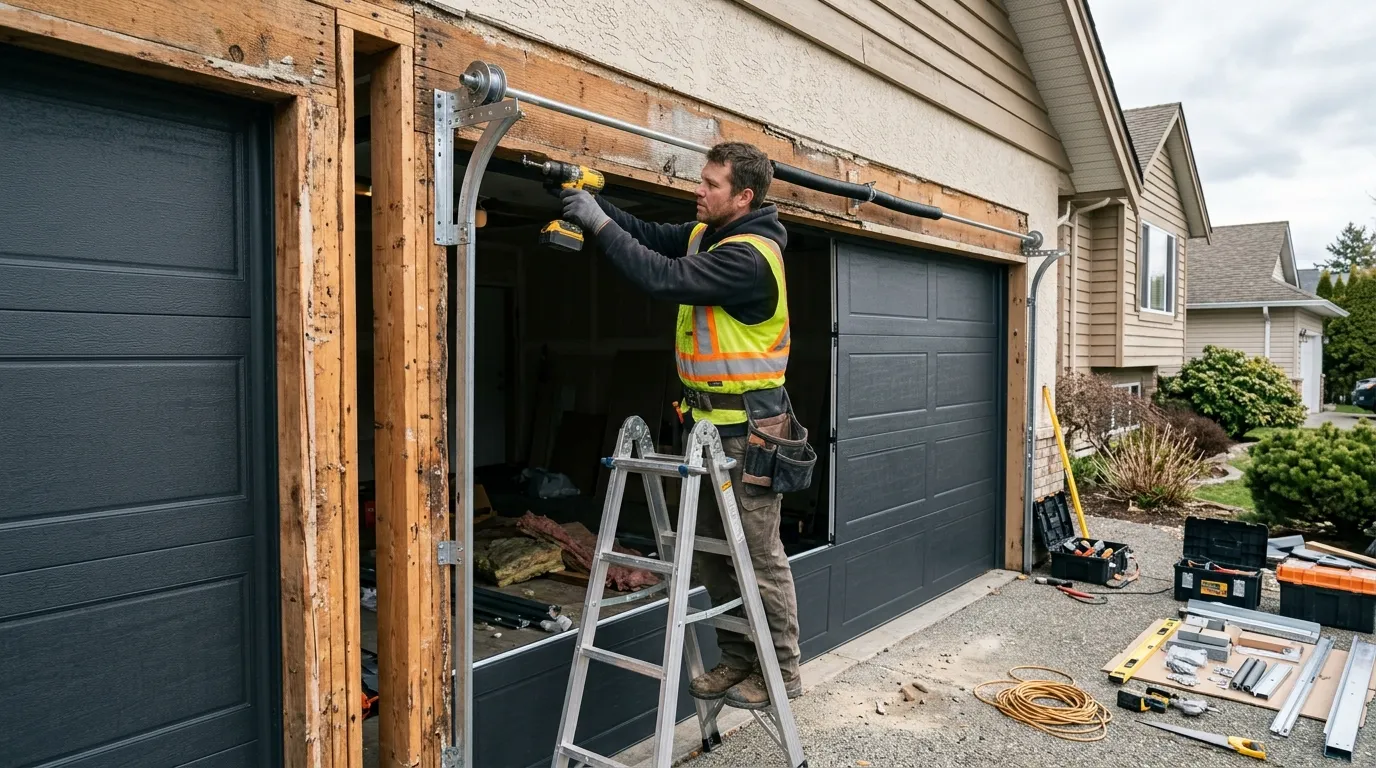
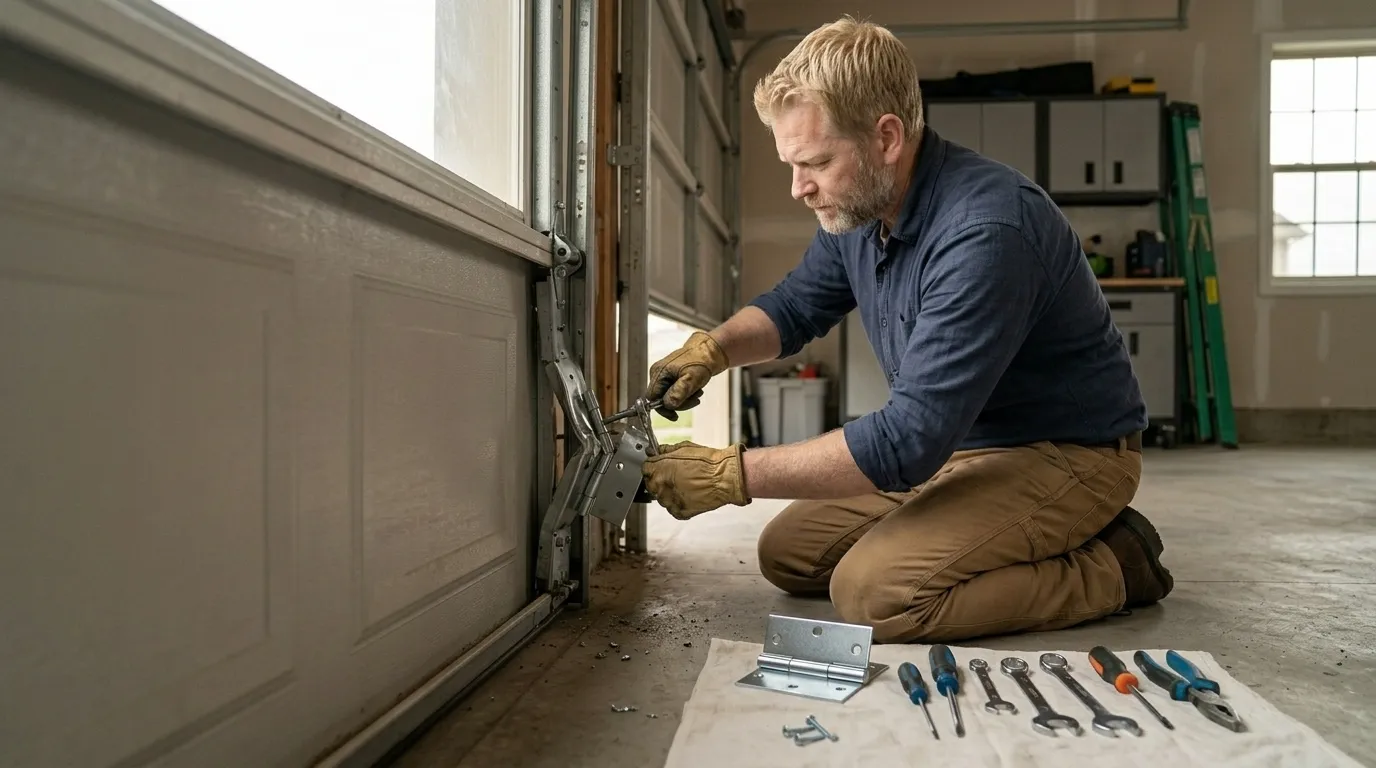
The common failures we see on doors this age aren't rusted-through track or brittle 1970s springs. They're worn nylon rollers, opener logic boards that finally give out after 20-plus years of duty cycles, weatherstripping that's hardened and cracked, and torsion springs hitting the end of their rated cycle count right about now. If your door is original to the house, it's old enough that a spring failure or a dead opener board is due, not surprising.
Timing on This Area
We run out of Irving, and Copper Canyon sits about 18 miles out - similar to the drive we make to Trophy Club, Westlake, and Lantana, all in that same 15-to-18-mile band on our coverage map. It's one of the farther stops we make, so if you're booking a repair here, expect the trip time to be part of the conversation when we schedule.
We don't keep a depot or staging point in Copper Canyon. Every job here is a truck coming from Irving with whatever parts we've loaded for that route, so if a job turns out to need something we didn't anticipate - an odd-width track or a discontinued opener model - that can mean a second trip. Springs sized for 2000s-era sectional doors are common stock, so those we generally carry without issue.
What We Do Not Do
We don't tell you a door needs replacing when a spring swap or a roller job will do the same thing for less money - a lot of what looks like a dying opener in a house this age is actually a worn limit switch or a sensor knocked out of alignment, not a board failure. We'll say so if that's what we find.
We also don't stock every opener logic board on the truck. If your unit is a less common brand model from the early 2000s and the board itself has failed, we may need to order the part rather than fix it on the first visit - that's a real limitation of parts availability, not something we can promise around. And we don't do same-day emergency dispatch promises for this area; at 18 miles out, we schedule it like any other job on the route, not as a rush call.
How it works
From “it’s stuck” to “it’s fixed”
01
Tell us what’s wrong
Describe the symptom - won’t open, loud bang, opener runs but the door won’t move.
02
On-site diagnosis
A technician tests the door under power and by hand and finds what actually failed.
03
Clear, up-front plan
You get the fix that’s needed and what drives the cost - before any work starts.
04
Repaired & tested
The repair is done, the door is set true and tested, and the work area left clean.
Serving Irving, TX - tell us what your door’s doing and we’ll take it from there.
Most houses here date to around 2002, so the original door and opener are typically 20-plus years old. At that age, torsion springs are usually near or past their rated cycle life, and opener circuit boards start failing on their own, independent of any obvious accident or damage.
Do you have a shop or crew based in Copper Canyon?
No. We operate out of Irving, about 18 miles away, and drive out for scheduled jobs. We don't keep a local depot here, so parts we don't carry on the truck may require a second visit to complete the repair.
Is a 2002-built garage door likely to need full replacement?
Not automatically. Doors from that era are usually standard sectional steel on torsion springs, which is common hardware we carry parts for. A spring, roller, or sensor issue is often a repair, not a replacement - we'll tell you honestly which one applies.
Ready to get your garage door sorted?
Tell us what it’s doing and where you are in Irving - we’ll take it from there.