What That Means for Doors
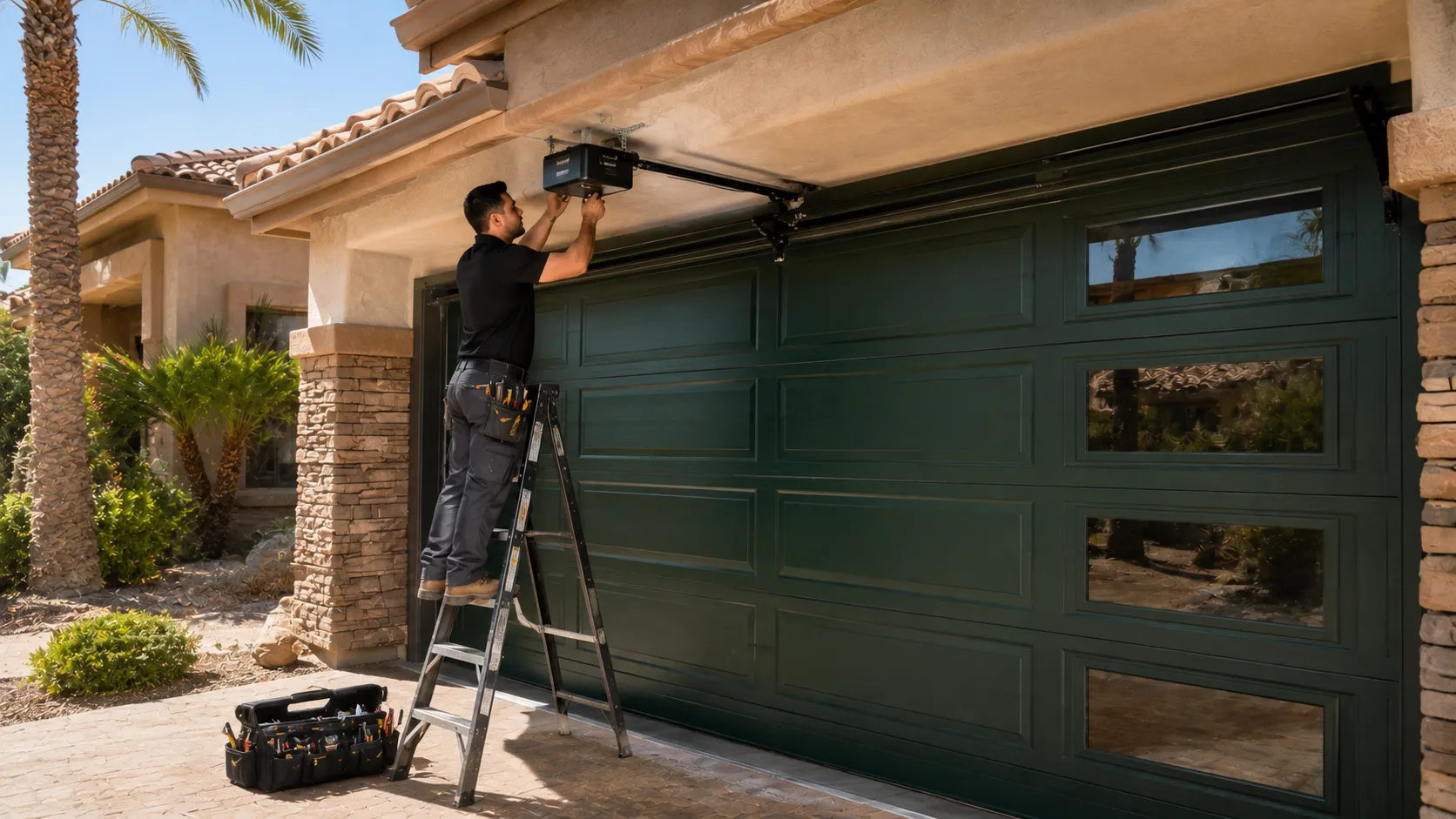
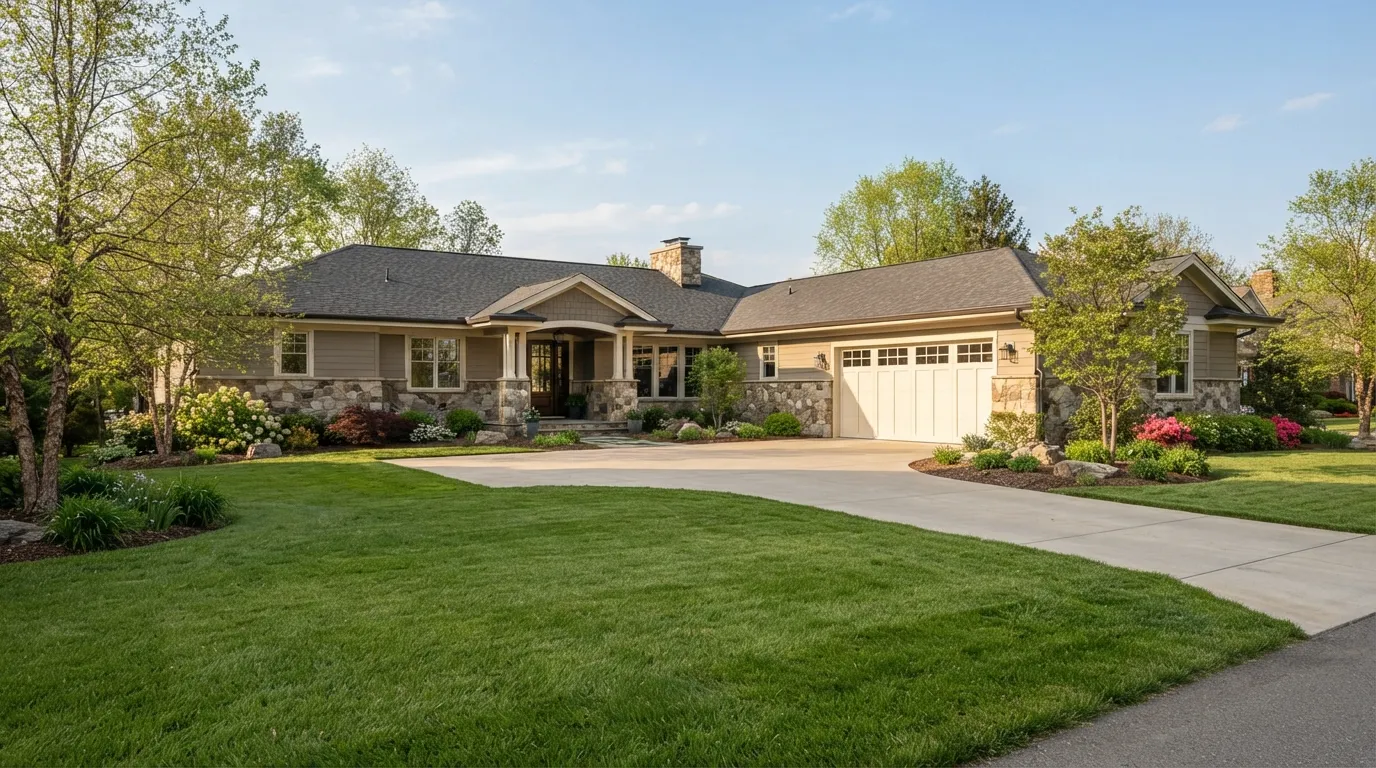
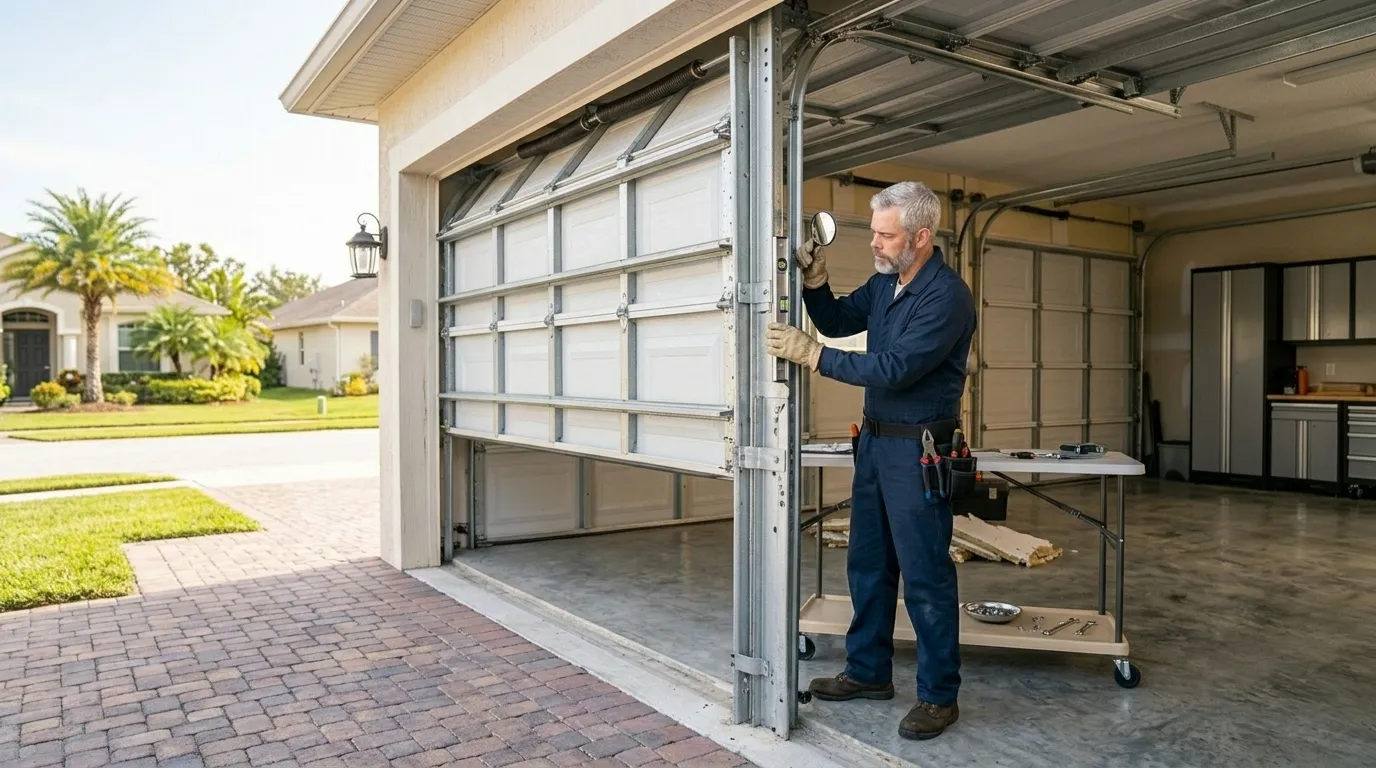
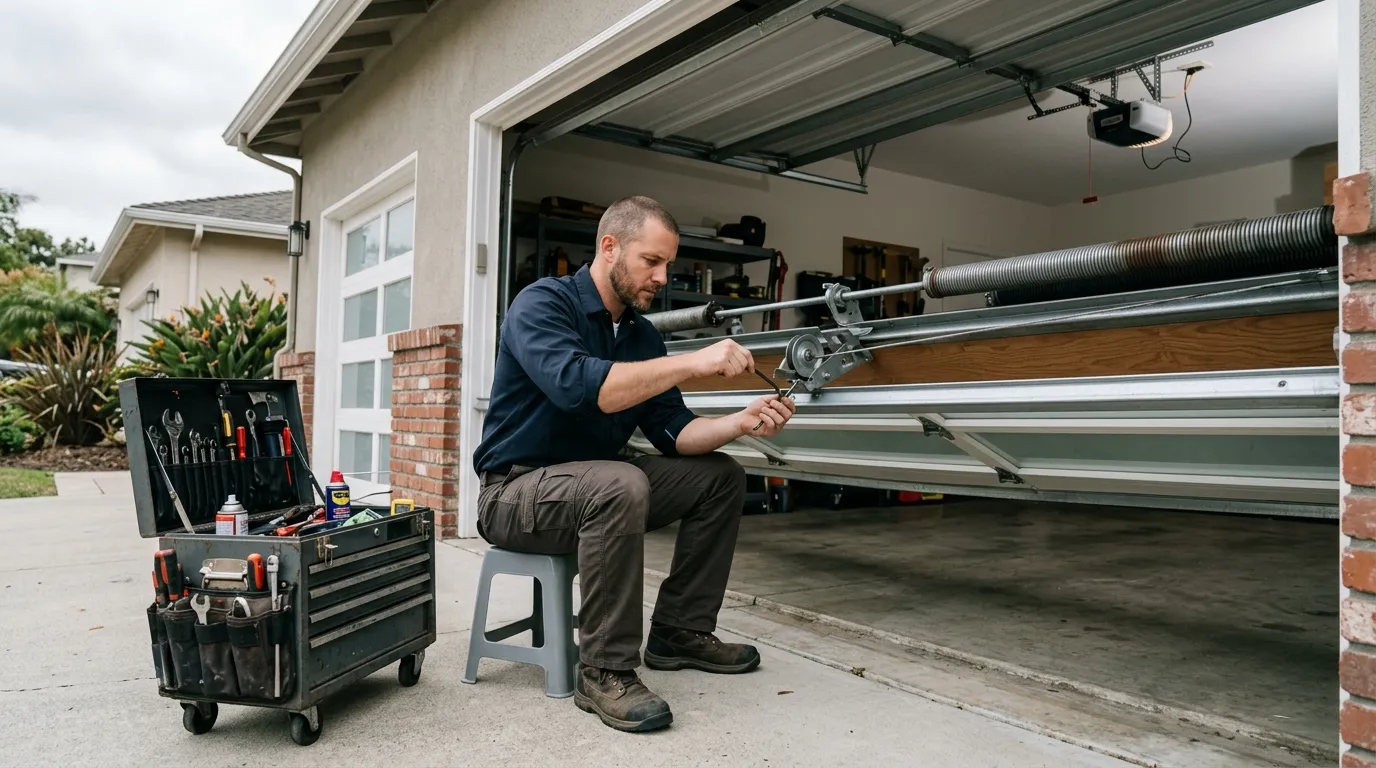
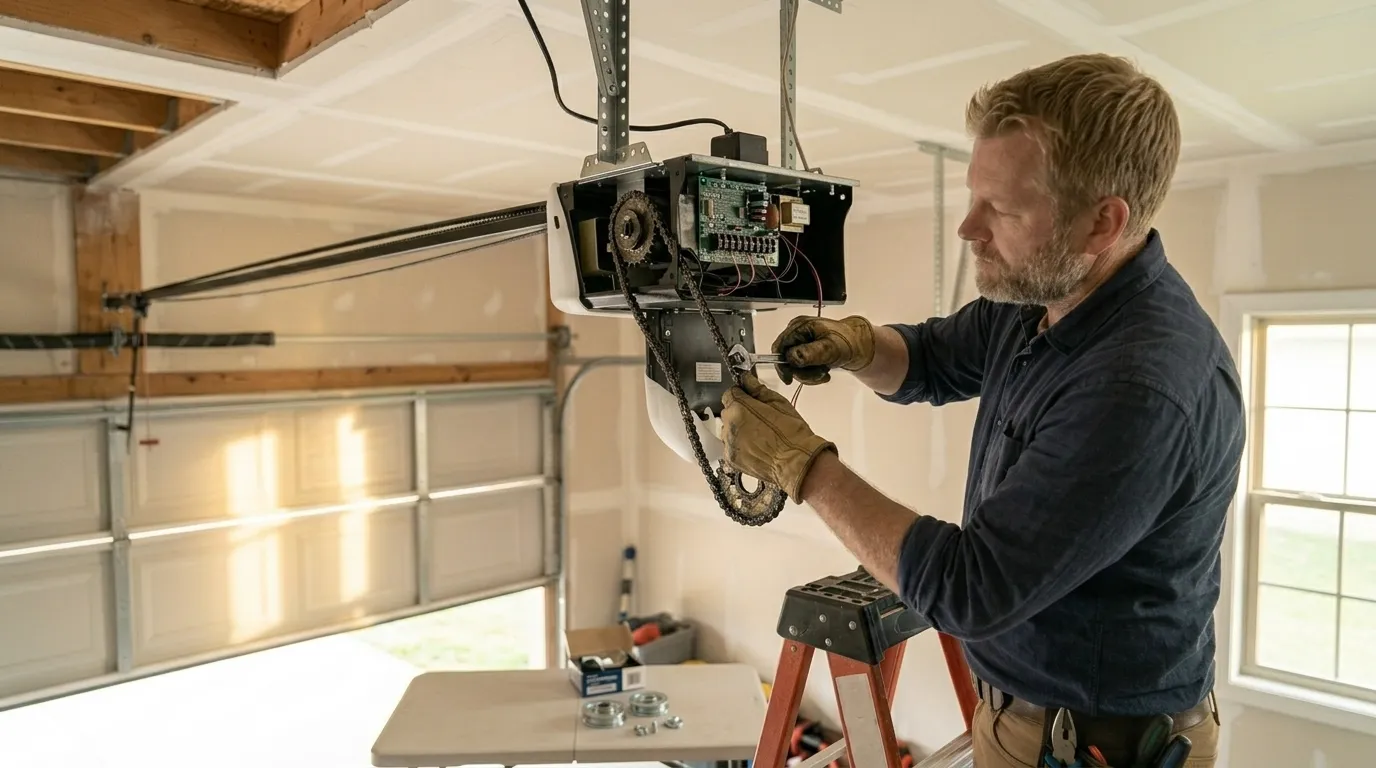
Doors installed after 2000 mostly moved to steel torsion springs rated for higher cycle counts, and openers from that era are more likely to be chain or belt drive with a standard 1/3 or 1/2 horsepower motor rather than the older screw-drive units. That's the good news - parts availability is better and cycle life is longer.
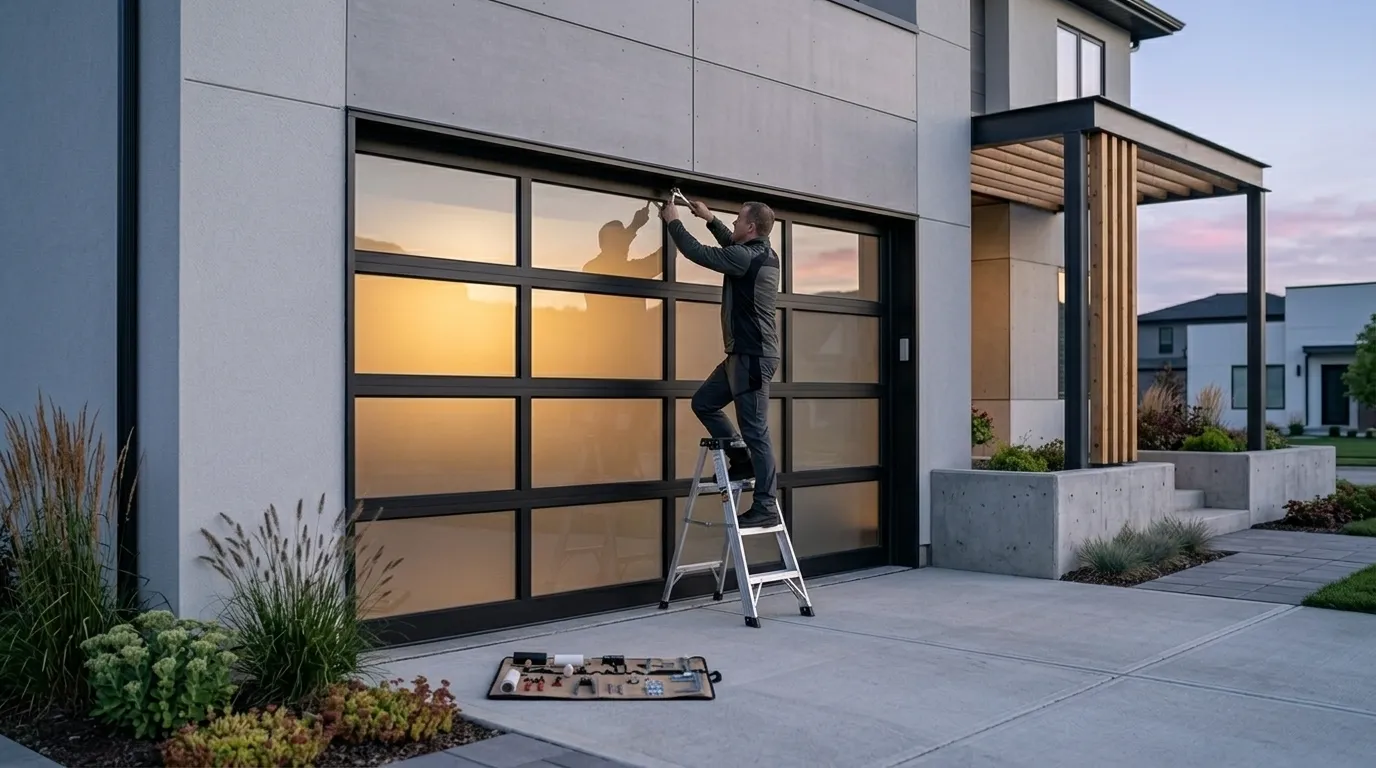
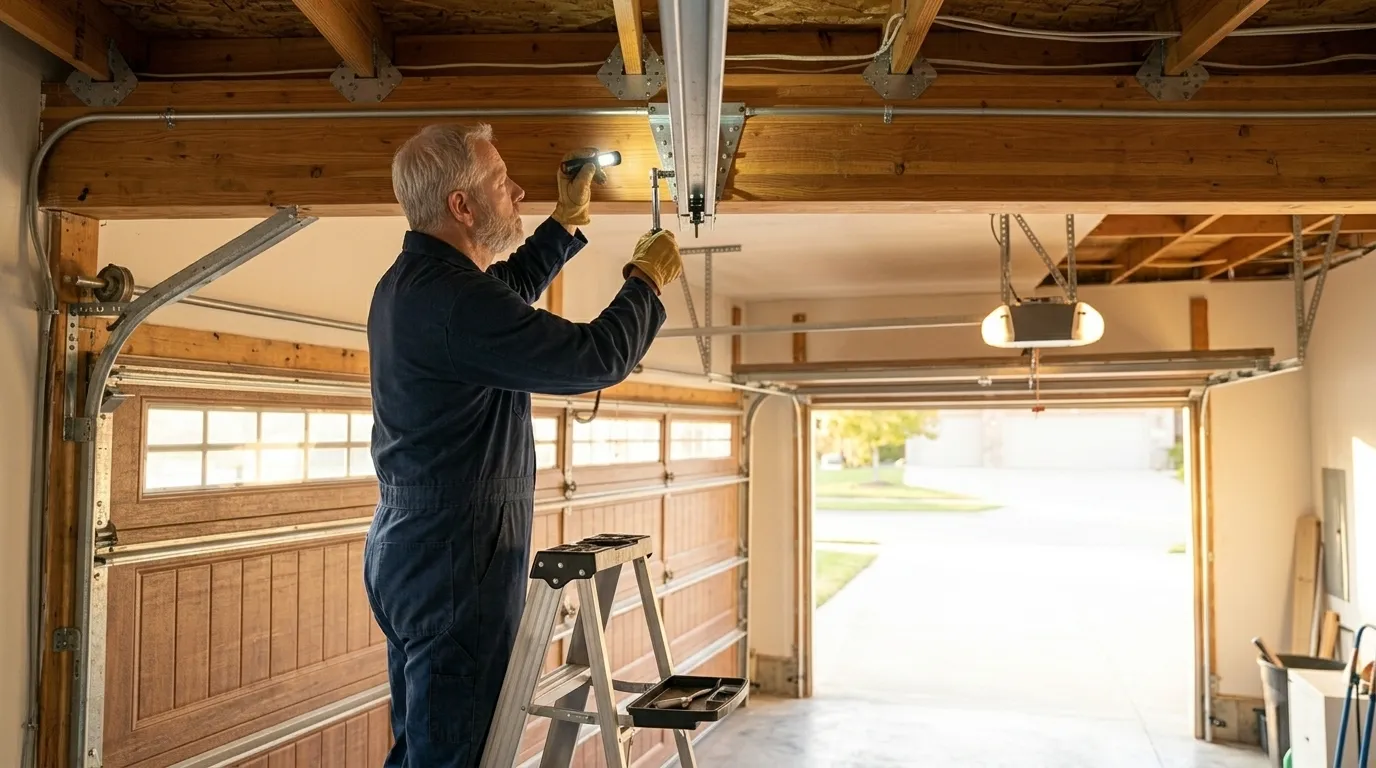
The wear pattern we actually see in Hickory Creek is different from an older-stock area: it's less about a spring that's been carrying a heavier steel door for 40 years and more about opener circuit boards, worn drive belts, and rollers that have hit their mileage after 15-20 years of daily use. Sensor alignment issues also show up more here, since these houses came with photo-eye safety sensors as standard rather than retrofits. If your door is from the original 2000s-era build, you're likely looking at opener or sensor work before you're looking at a full spring replacement.
Timing on This Area
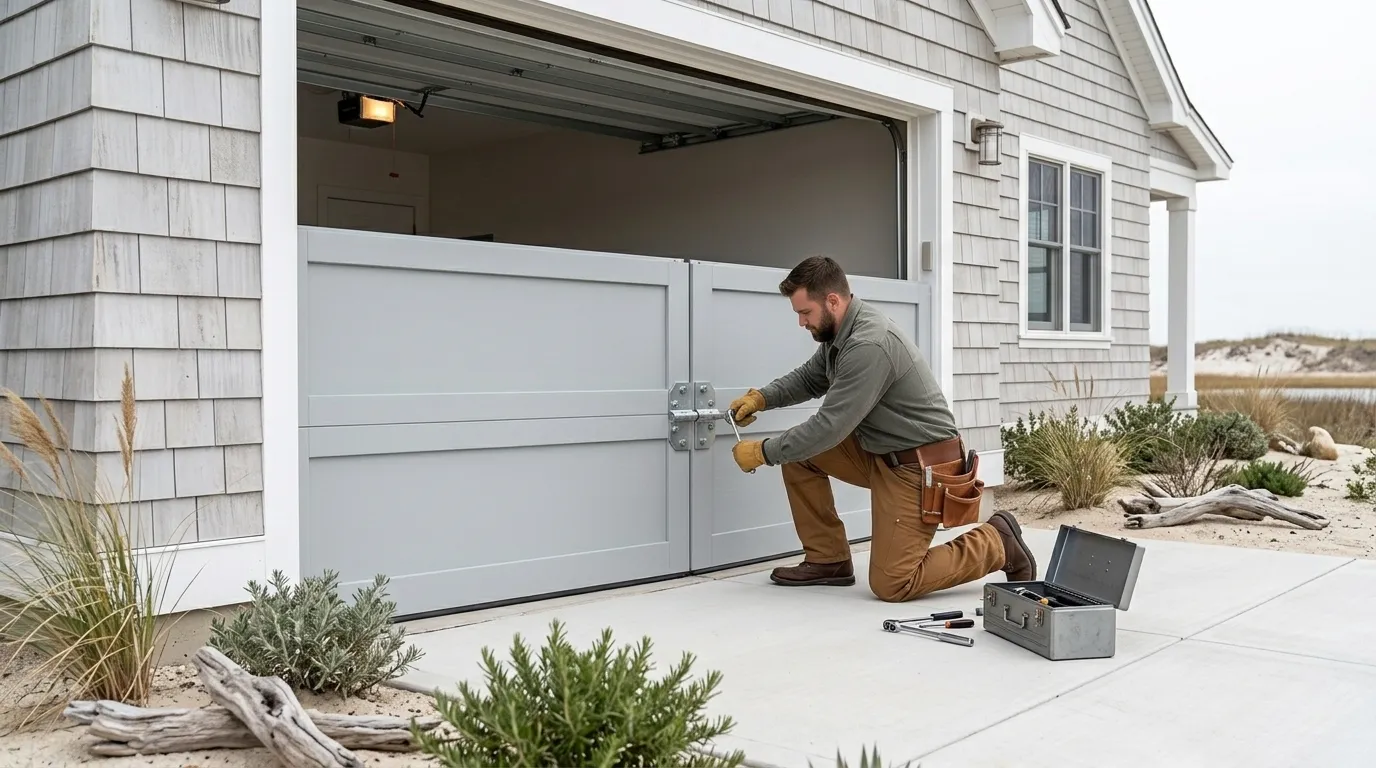
We're based in Irving, and Hickory Creek is an 18-mile trip out, so we don't hold a standing crew or stock here - every job gets scheduled as a run from the shop. That means we plan the trip around what you actually need done rather than doing a quick look-and-return visit twice. If you can tell us the door's approximate age and what it's doing (won't close, opener makes noise, door reverses) when you call, we can bring the right parts on the first trip instead of guessing.
Because the housing here is newer and more consistent in age, the fix is often more predictable than in an older mixed-era neighborhood - but we still confirm before we quote. A 2009-era opener board and a 2009-era spring are both roughly the same age now, closing in on the point where either could be the actual failure.