What That Means for Doors
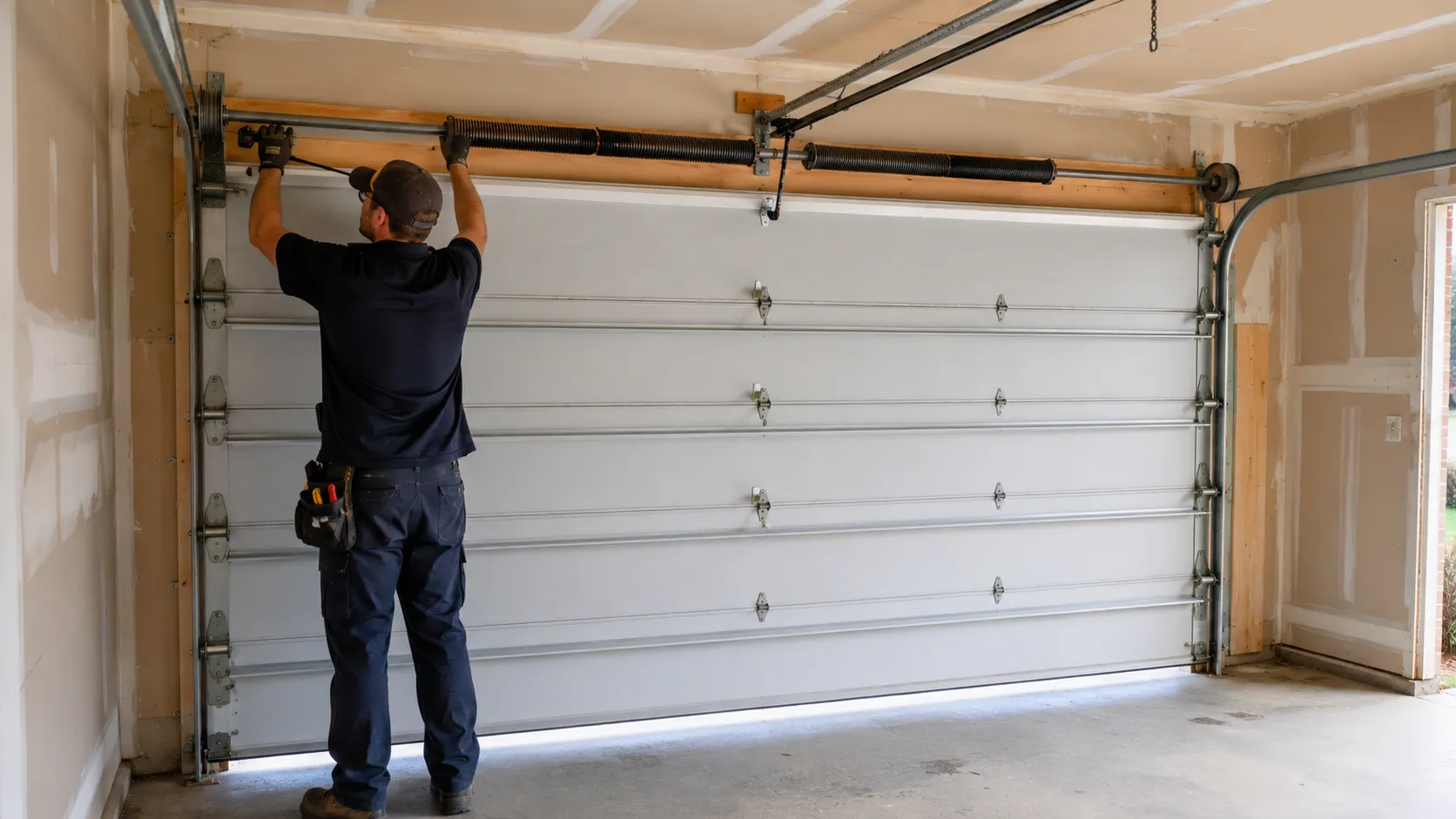
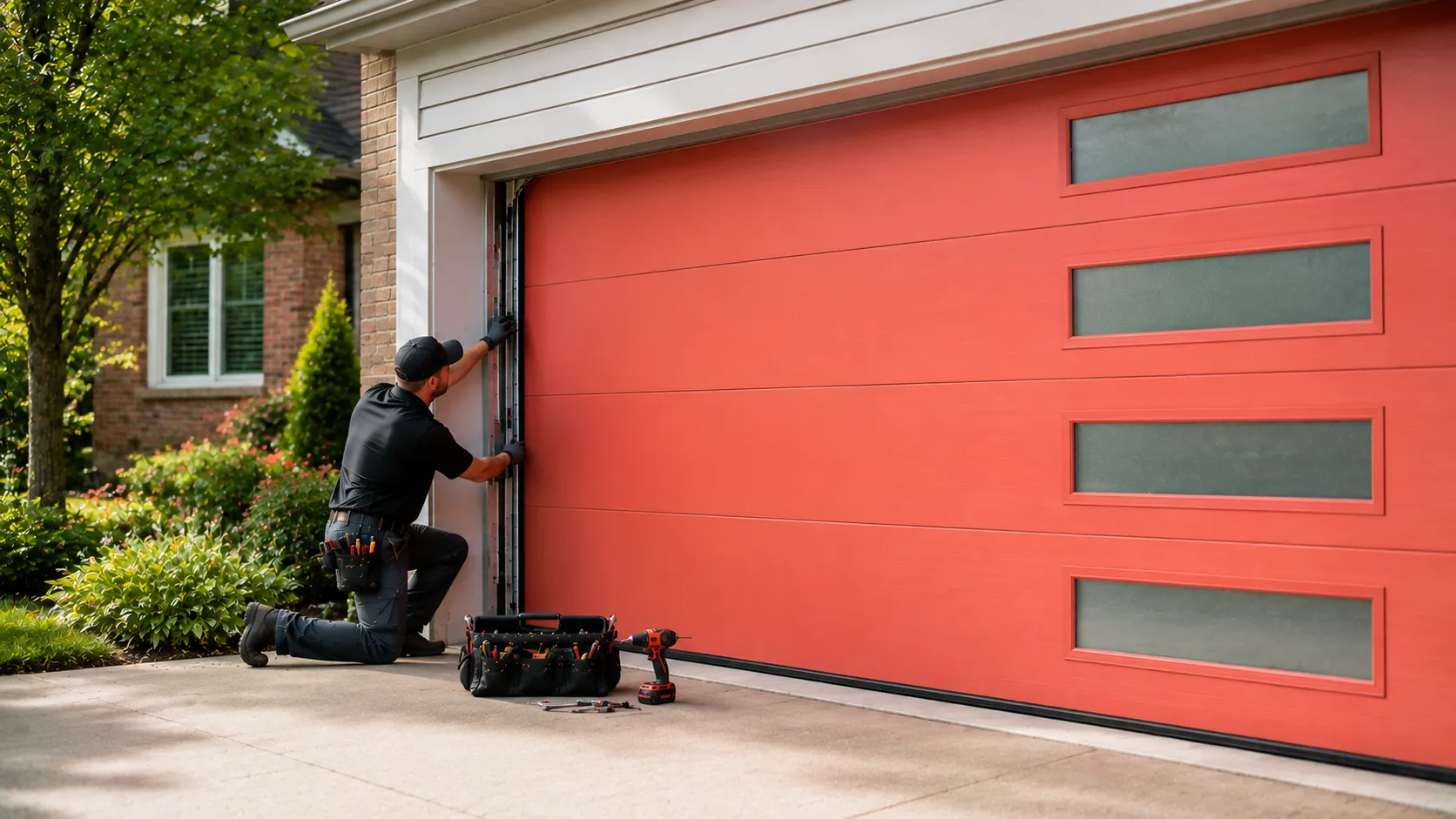
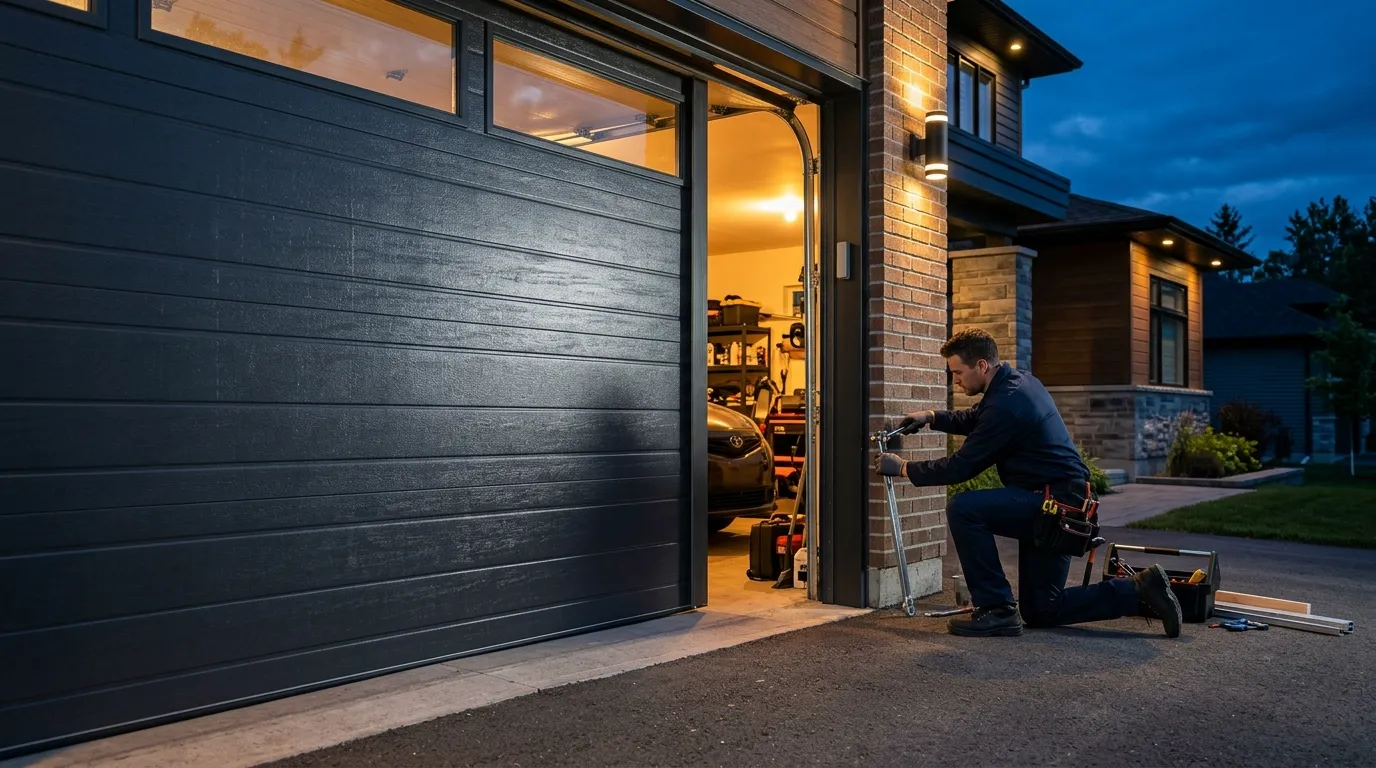
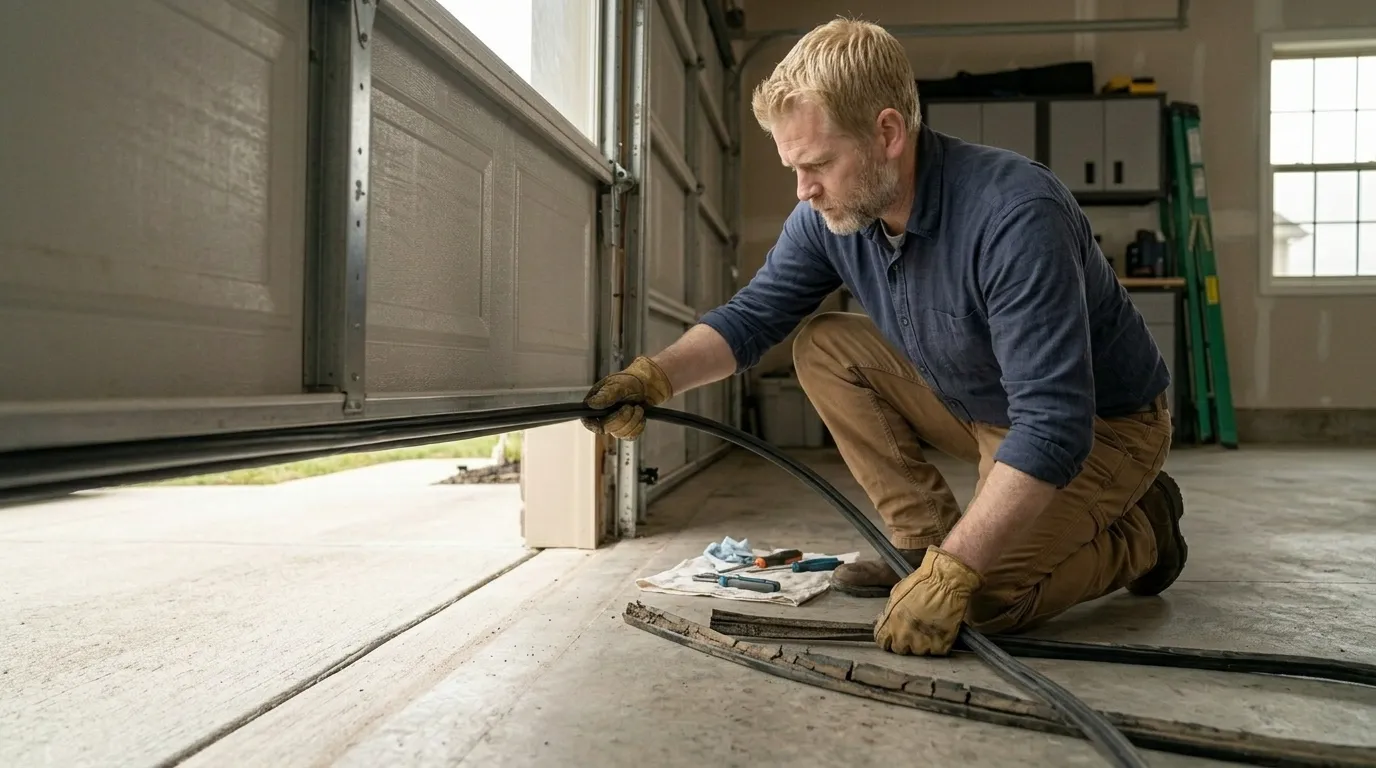
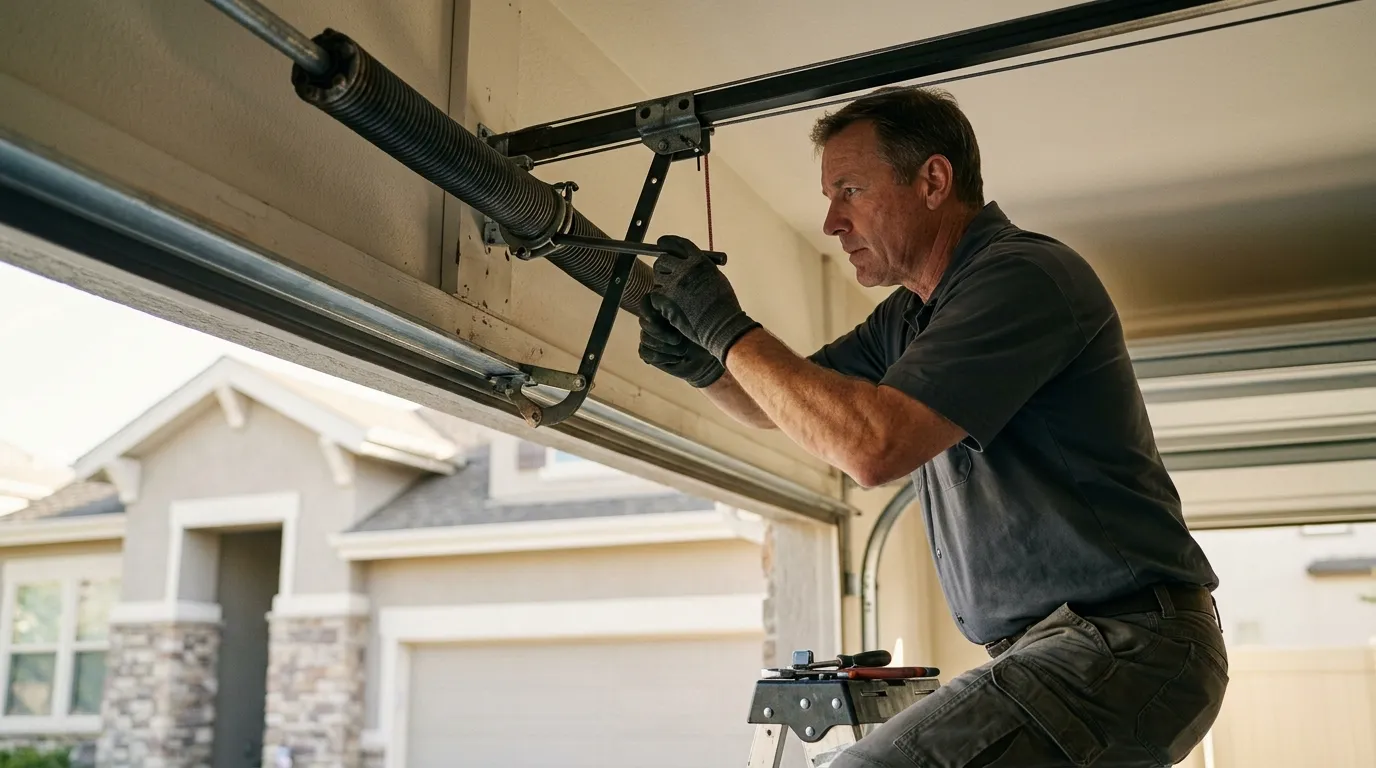
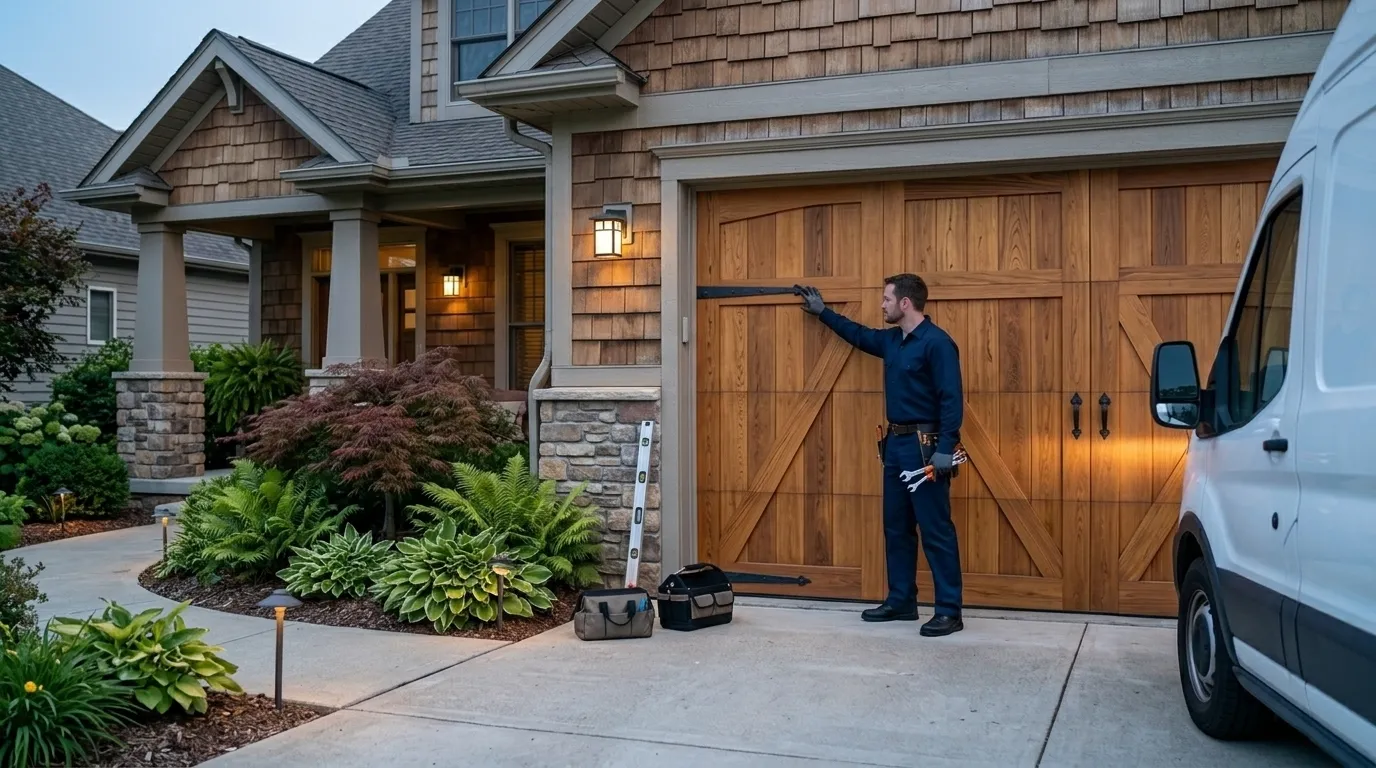
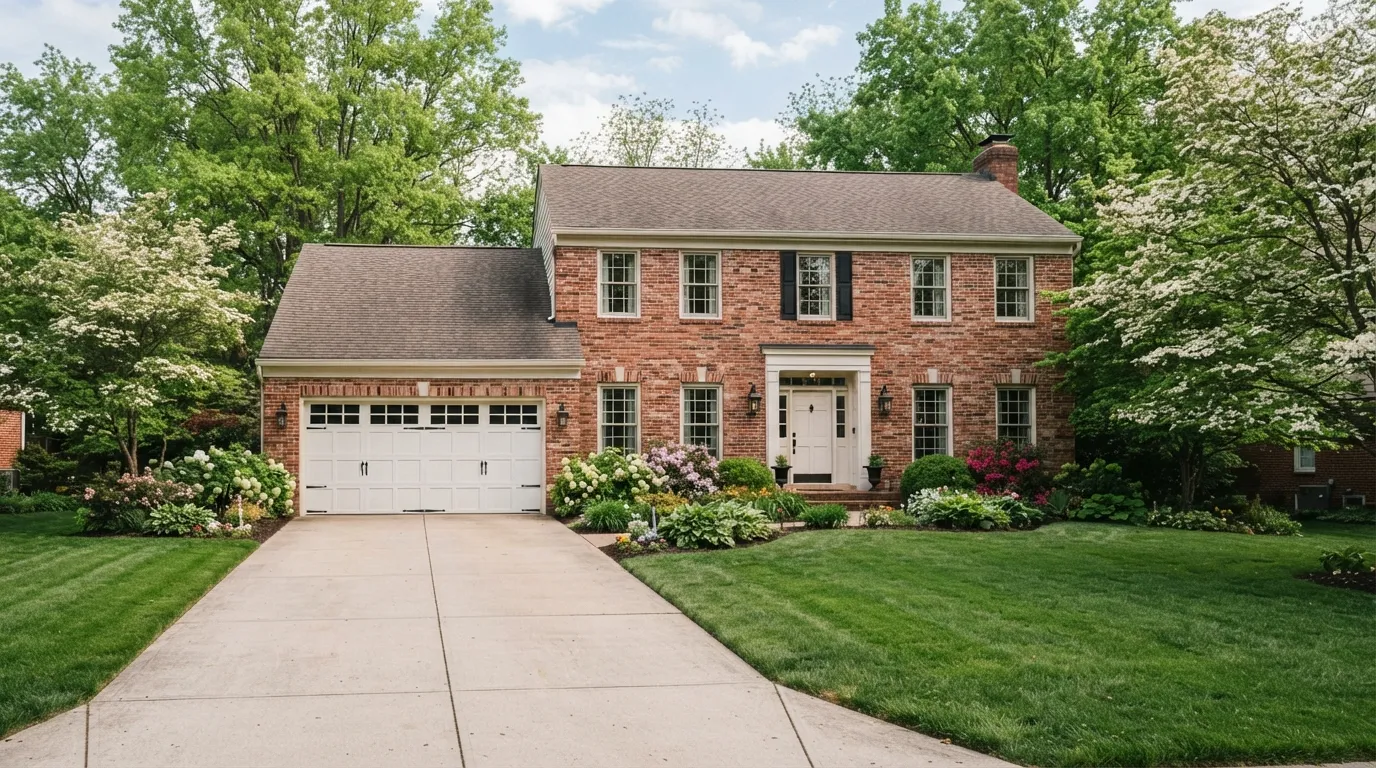
Newer construction means steel doors with polystyrene or polyurethane cores instead of the thin single-layer panels common in older stock, and openers that are more likely to run on circuit boards with rolling codes than the old dial-and-antenna units. When something fails on a 1999-era door, it's rarely the door skin itself - it's the opener logic board, a worn drive gear, or safety sensors that have drifted out of alignment after two decades of settling. Springs still fail on schedule regardless of the house's age; a torsion spring rated for a given door weight wears out on cycle count, not on the calendar. What's different in Keller is that the doors tend to be heavier - insulated, two-car, standard width - which puts more load on the spring and the opener motor than the lighter single-layer doors common in older neighborhoods. That's worth knowing before you assume a quick fix: a heavier door needs the right spring rating, not just any spring that fits the shaft.
Timing on This Area
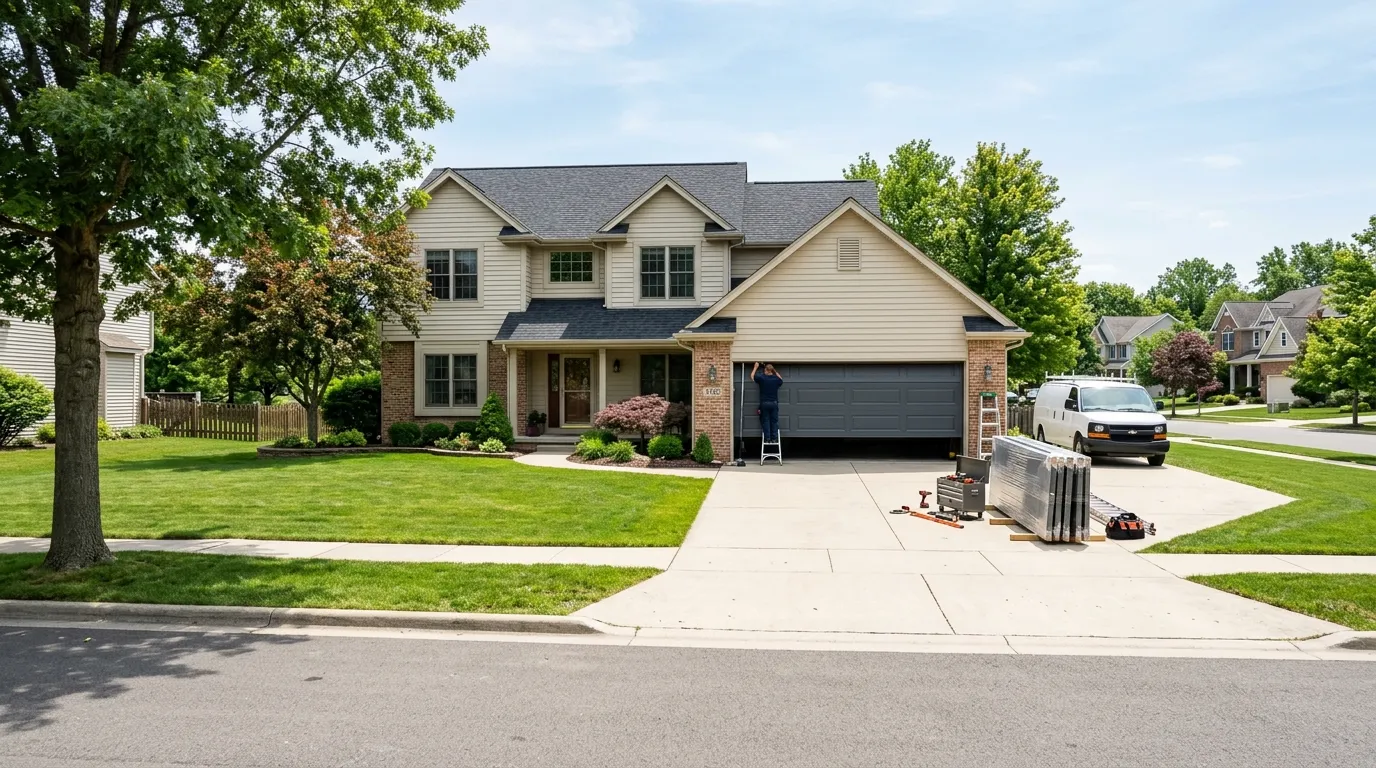
We run out of Irving, about 16 miles from Keller, so we're not sitting on standby nearby - a call here gets scheduled onto the route, not answered from a lot three streets over. Keller is one of the farther points we cover, in the same range as Trophy Club, Roanoke, and Bartonville, all a similar distance out. That's not a complaint, just a fact worth knowing if you're comparing us to a shop that's actually based in town. We don't promise a same-day slot for every call; we do our best to group jobs on that side of the metro so a trip out to Keller isn't a special one-off run. If timing is tight, say so when you call and we'll tell you honestly whether it fits the day's route or the next one.