Why It Happens Here
Rollers wear from cycles and from heat. DeSoto sits in a moderate-heat climate band, and garages here run warm for a good stretch of the year - hot enough that nylon rollers dry out and go brittle faster than they would in a cooler climate, even with the same number of open-close cycles. Combine that with a housing stock built mostly in the early-to-mid 1990s and you get a lot of doors reaching roller failure around the same age.
We're not guessing at symptoms sight unseen - a household income figure and a distance number don't tell you what's wrong with a specific door. What the build era tells us is what kind of hardware to expect: 1990s-spec tracks and roller stems, not the wider modern track profile you'd see on a door built in the last ten years. That matters because a roller sized for a newer track can bind in an older one.
How Long You Are Without the Door
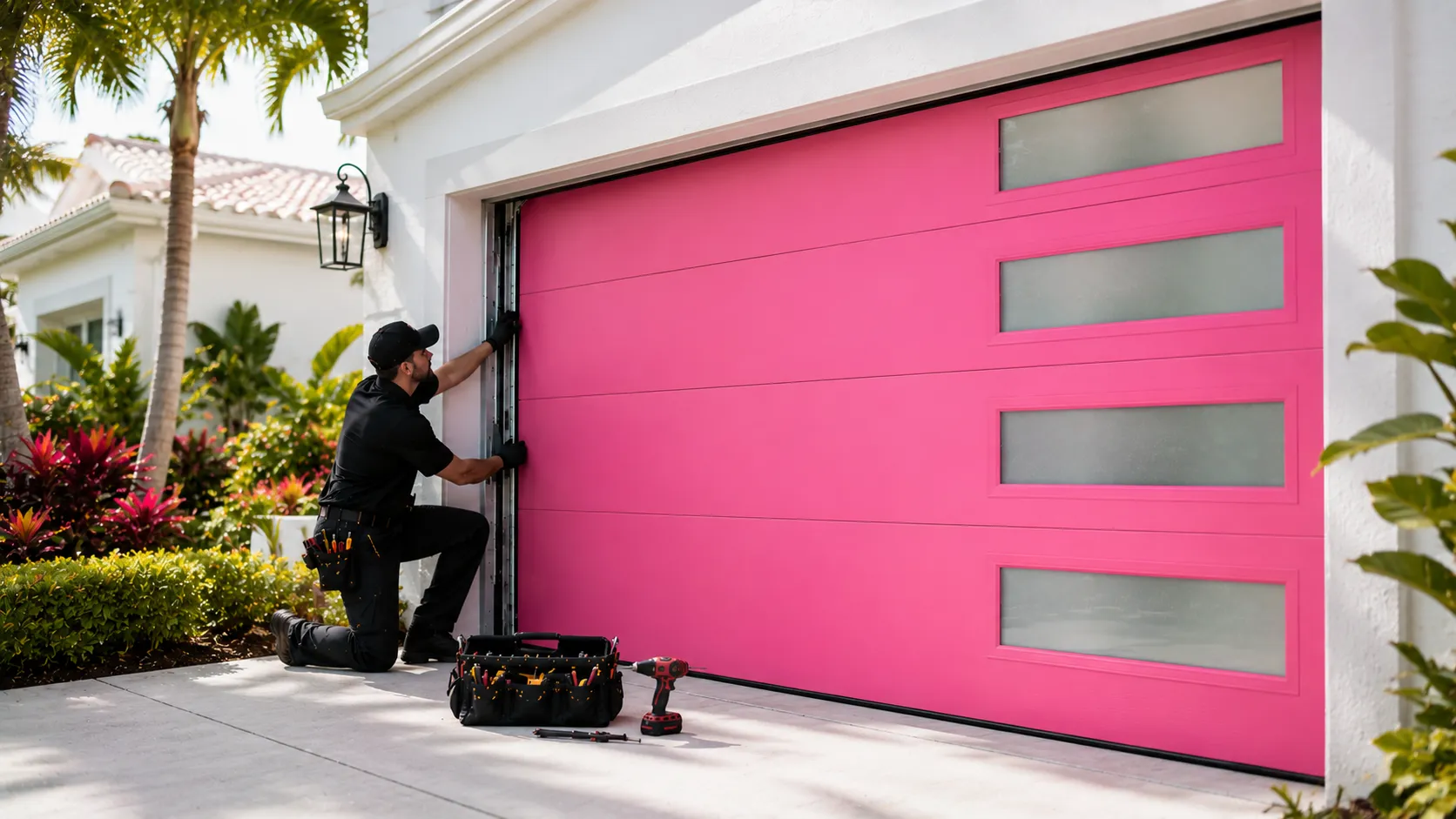
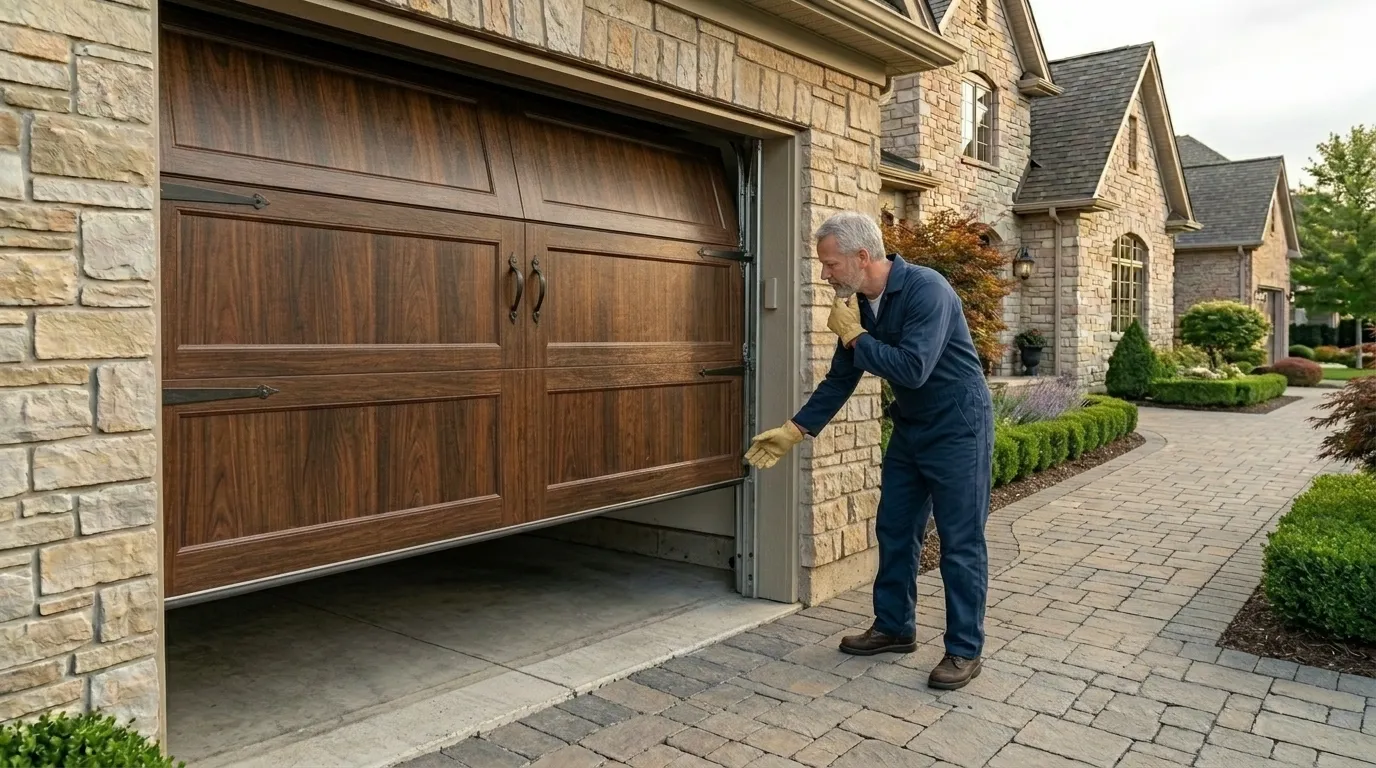
Roller replacement on a door that's still tracking straight is a same-visit job once the truck is on site - it doesn't require the door to come off its frame, and there's no waiting on a special-order part for standard steel or nylon rollers. Where it takes longer is if a roller has already bent the track, because then we're pulling and reseating track sections, and that's a longer job measured in hours, not minutes, on the same visit.
We travel to DeSoto from Irving, about 19 miles out, so factor that drive into when we can get there rather than how long the repair itself takes once we're on site. We don't keep a branch or crew stationed in DeSoto - it's a service call from Irving, same as the rest of the area we cover.
Parts We Carry
We carry standard 2-inch and 7-ball nylon rollers, sealed-bearing steel rollers, and the stem lengths that fit the track hardware common to houses built in DeSoto's main build era around the early 1990s. What we don't carry on the truck is every specialty roller size - some older or custom doors used stem lengths or wheel diameters that aren't standard stock, and those can mean a short parts wait rather than a same-visit fix. We'll tell you up front if your door falls into that category instead of promising a part we don't have in hand.
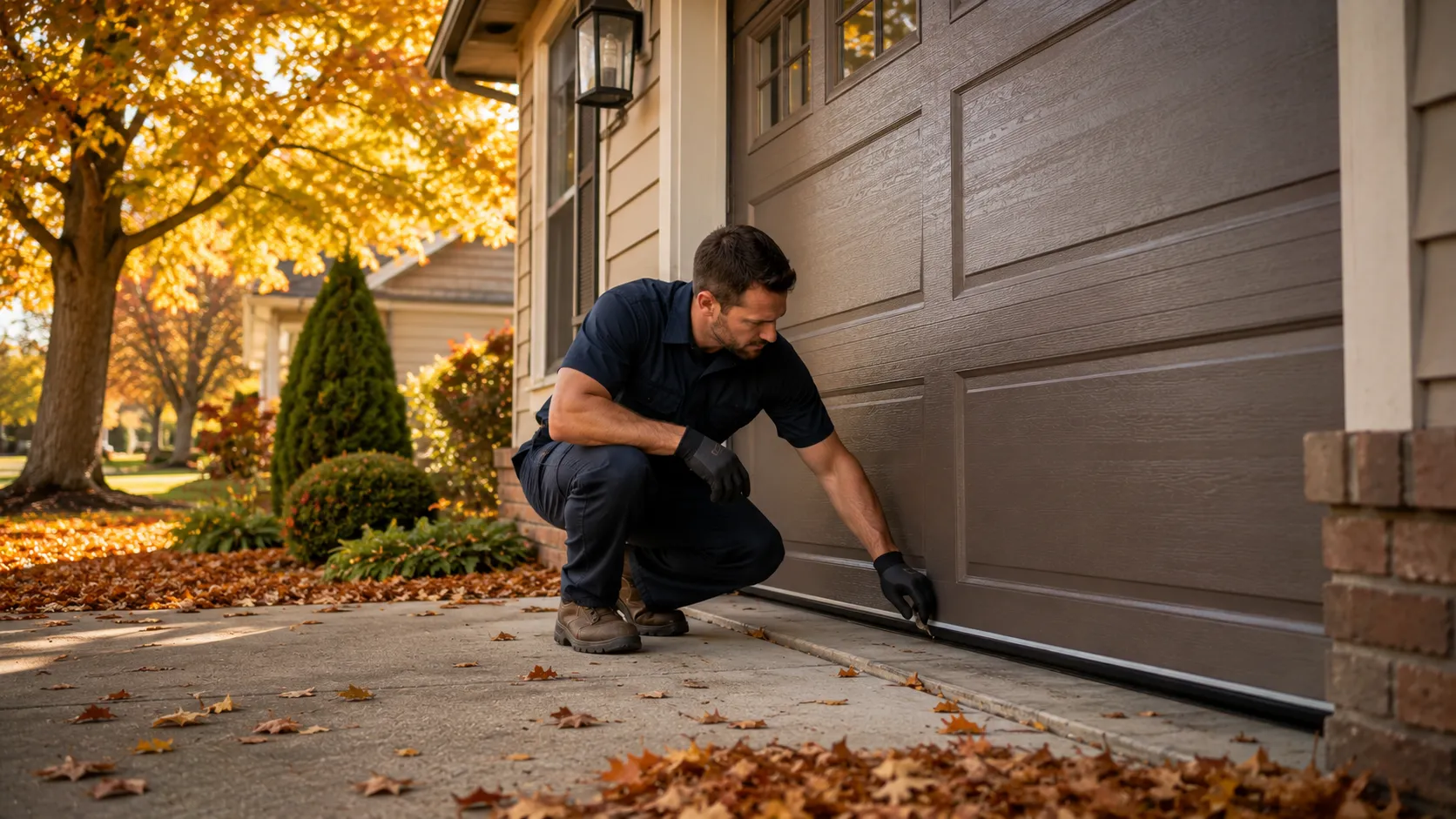
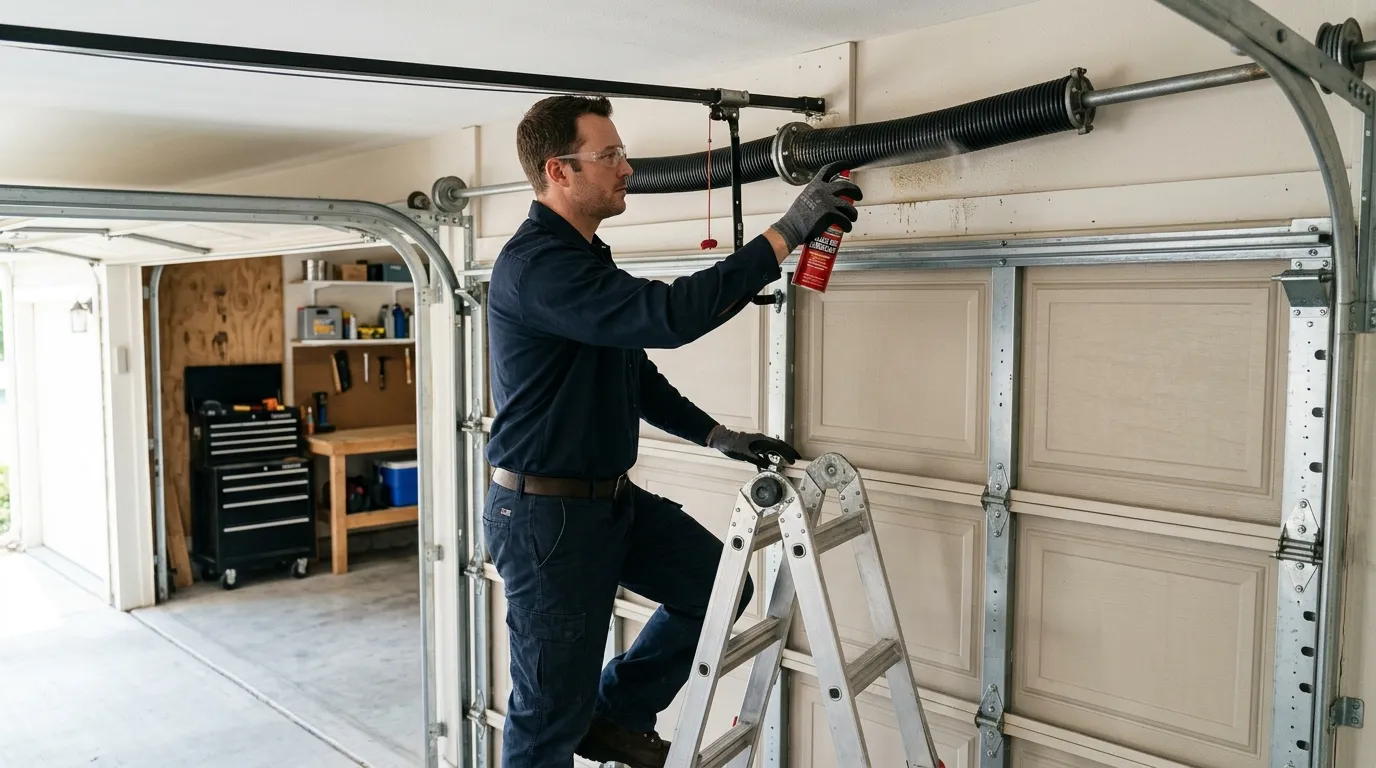
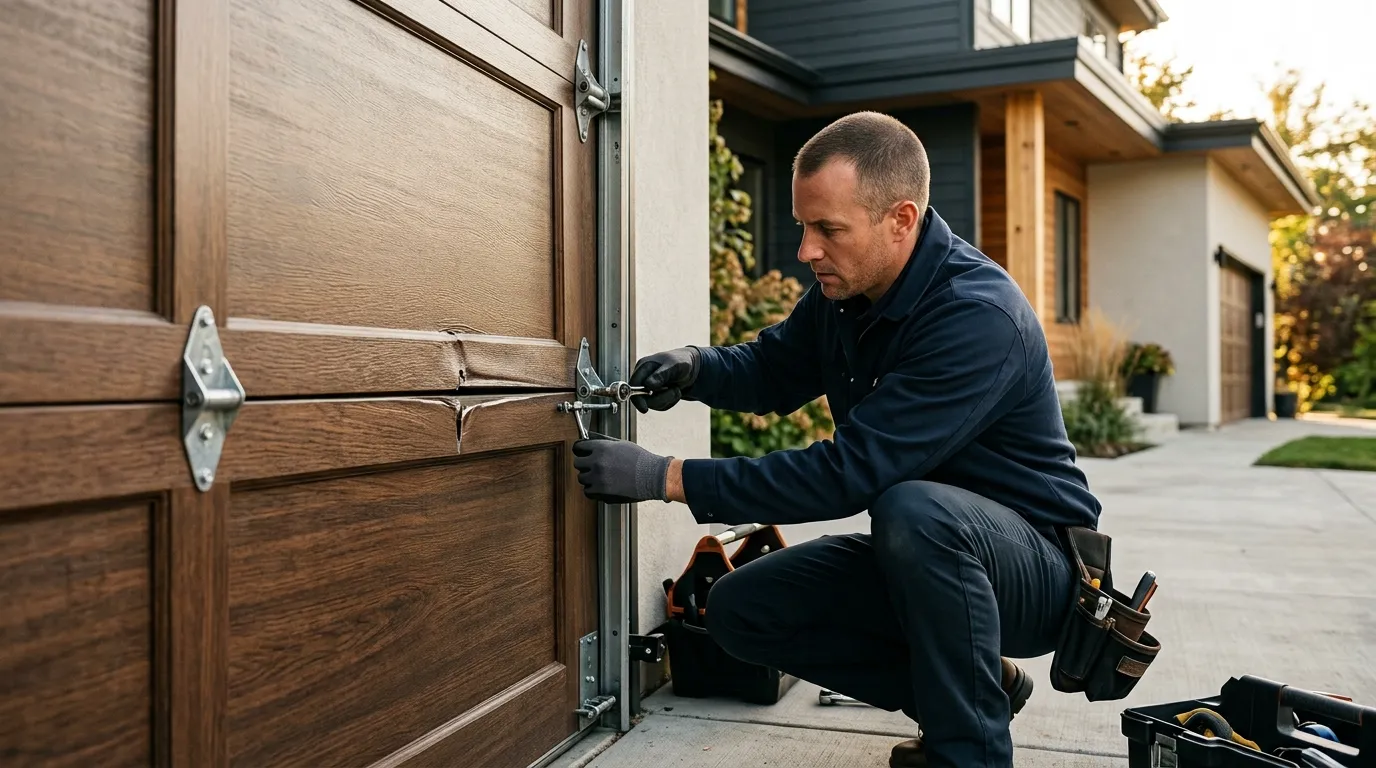
For most doors on this side of the service area, replacing a full set of rollers is a straightforward swap: remove the roller from its bracket, slide in the new one, check the track alignment while we're in there. It's routine work, but it only stays routine if the track hasn't already taken damage from the old rollers grinding against it.