Why It Happens Here
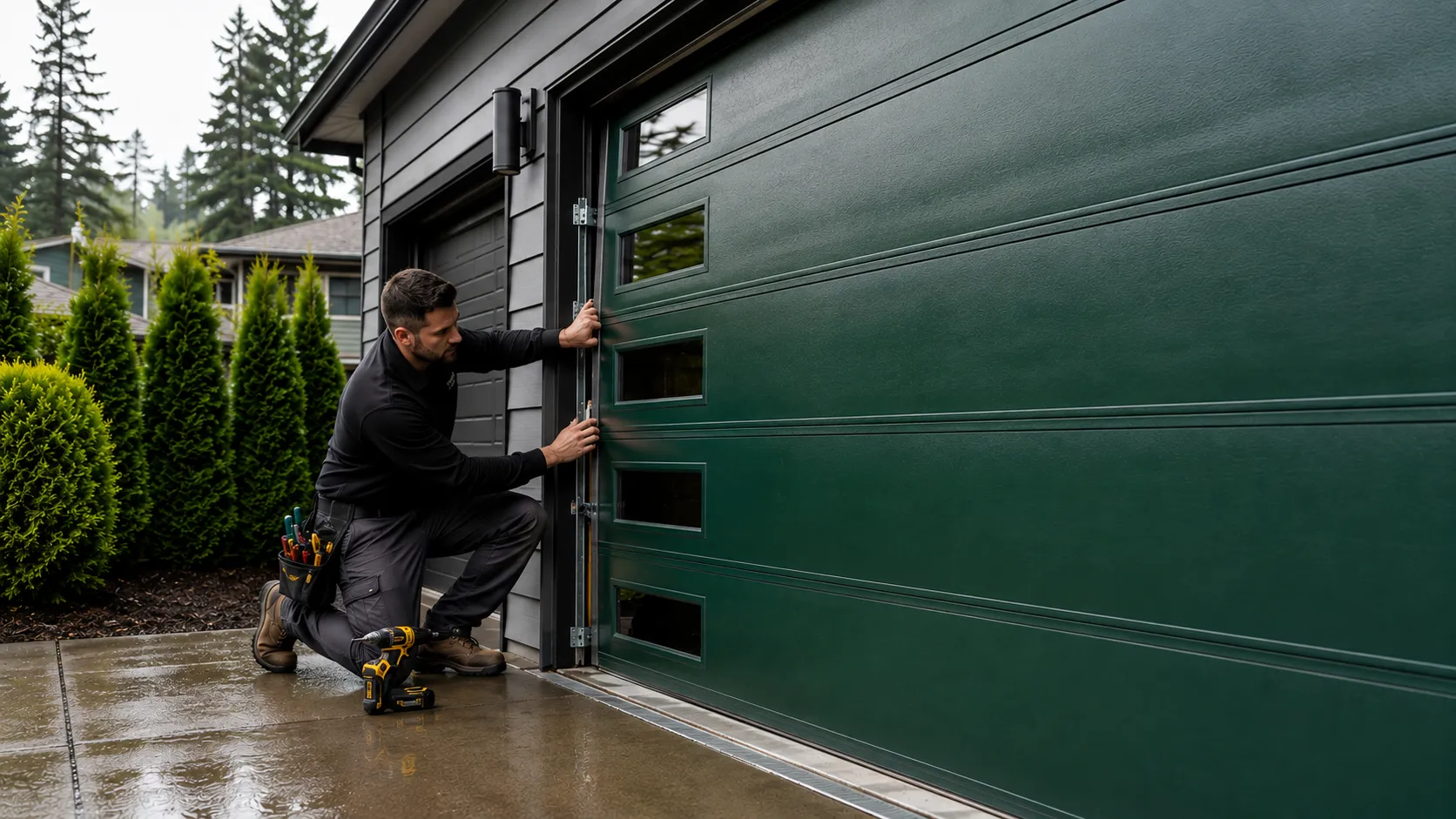
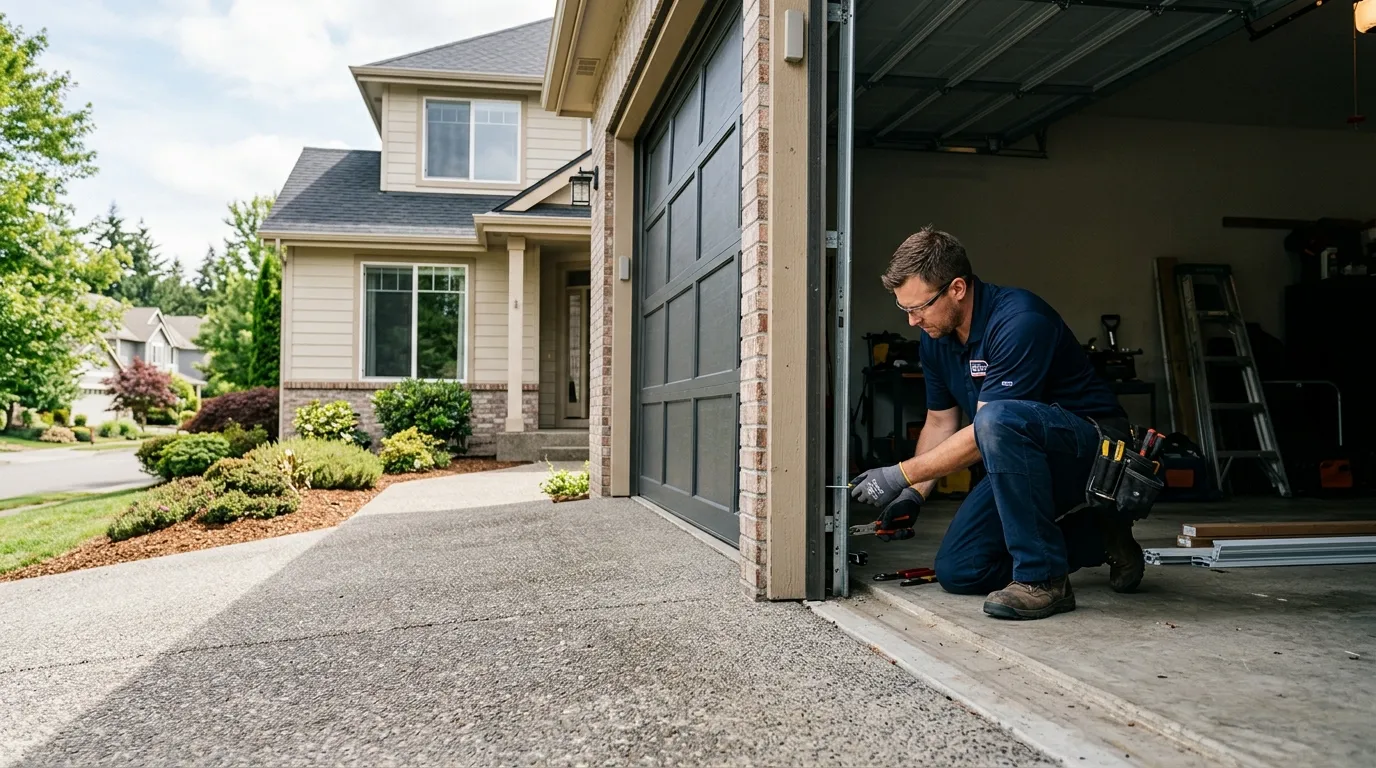
DeSoto's houses cluster tightly around a median build year of 1993, part of the wider 1980s-90s wave that shaped 18 named areas across this side of the metro. That means the hardware behind these doors is close to uniform - torsion or extension springs rated for the panel weights builders used at the time, openers that were mid-range for their decade, and tracks installed once and rarely touched since. A door built to 1993 spec wasn't engineered to run quietly for 30 years without a spring swap; it was engineered to meet code and hold up under normal use, which eventually means fatigue in the metal. Summers here fall into a moderate heat band rather than an extreme one, so the failures we see aren't heat-warped panels - they're straightforward mechanical wear: springs that have cycled past their rated lifespan, rollers that have worn their bearings out, and cables stretched thin. The consistency of the build era is actually useful - it means we can predict which parts are near the end of their life just from knowing when a DeSoto house went up.
How Long You Are Without the Door
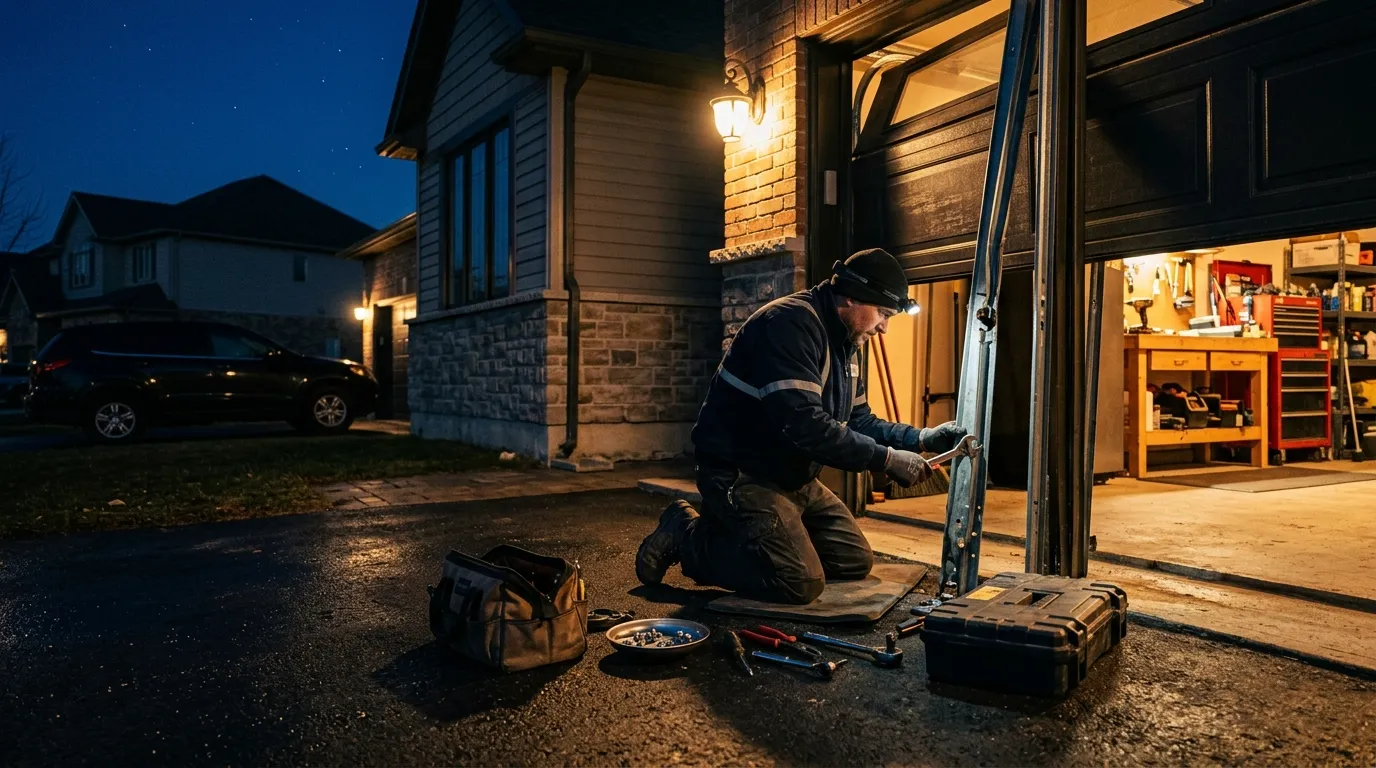
We're honest that we drive in for this - DeSoto sits about 19 miles from our Irving base, so we don't carry a same-hour guarantee here the way a shop sitting inside the neighborhood might. A broken spring or a snapped cable is usually a single visit once we're on site: diagnose, replace, test, done. What stretches the timeline is parts availability on an opener that's now old enough that its exact gear kit or logic board isn't something every supplier stocks. If your opener dates to the original install, we may need to order a part rather than pull one off the truck. We'll tell you straight when that's the case rather than promise a fix we can't deliver that day. If the door itself is beyond a repair worth doing - warped panel, sheared track, spring housing cracked - we'll say so instead of patching something that'll fail again in a season.
Parts We Carry
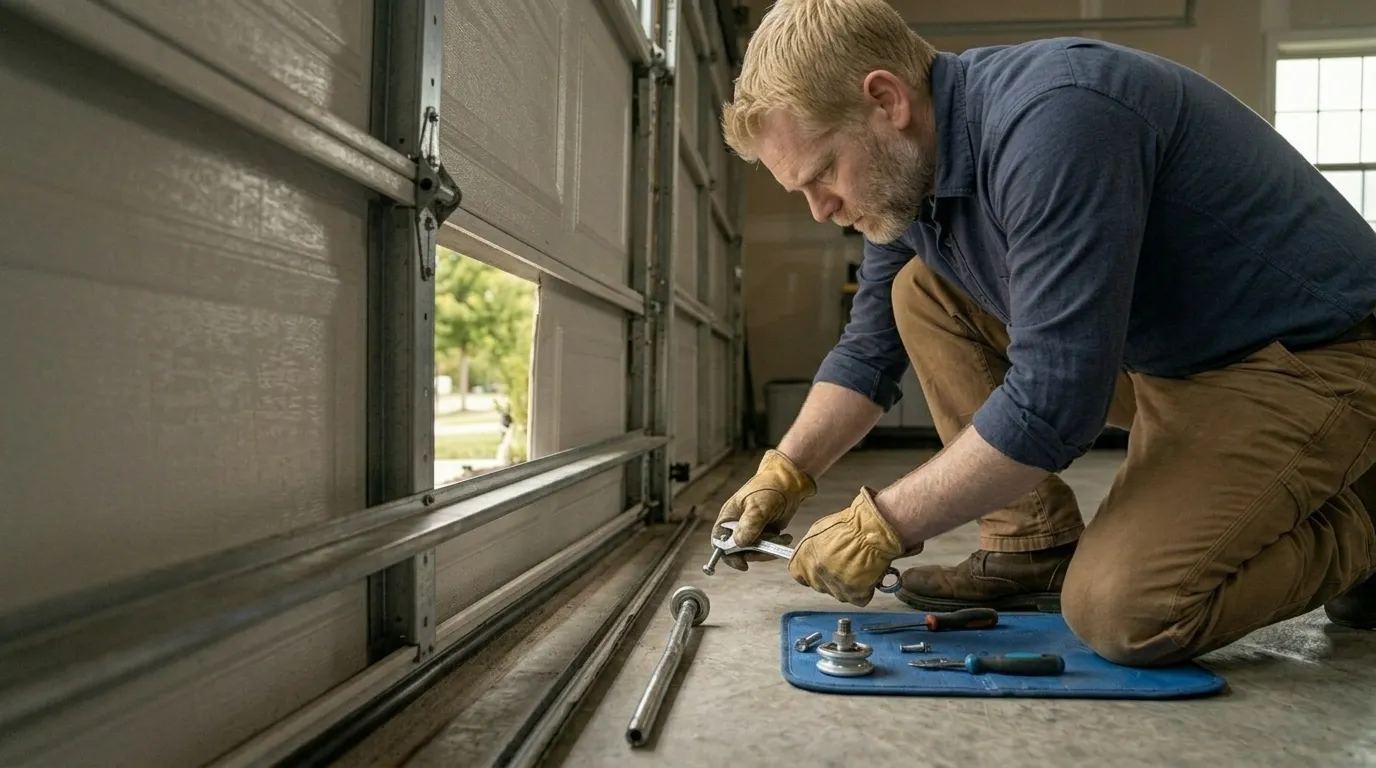
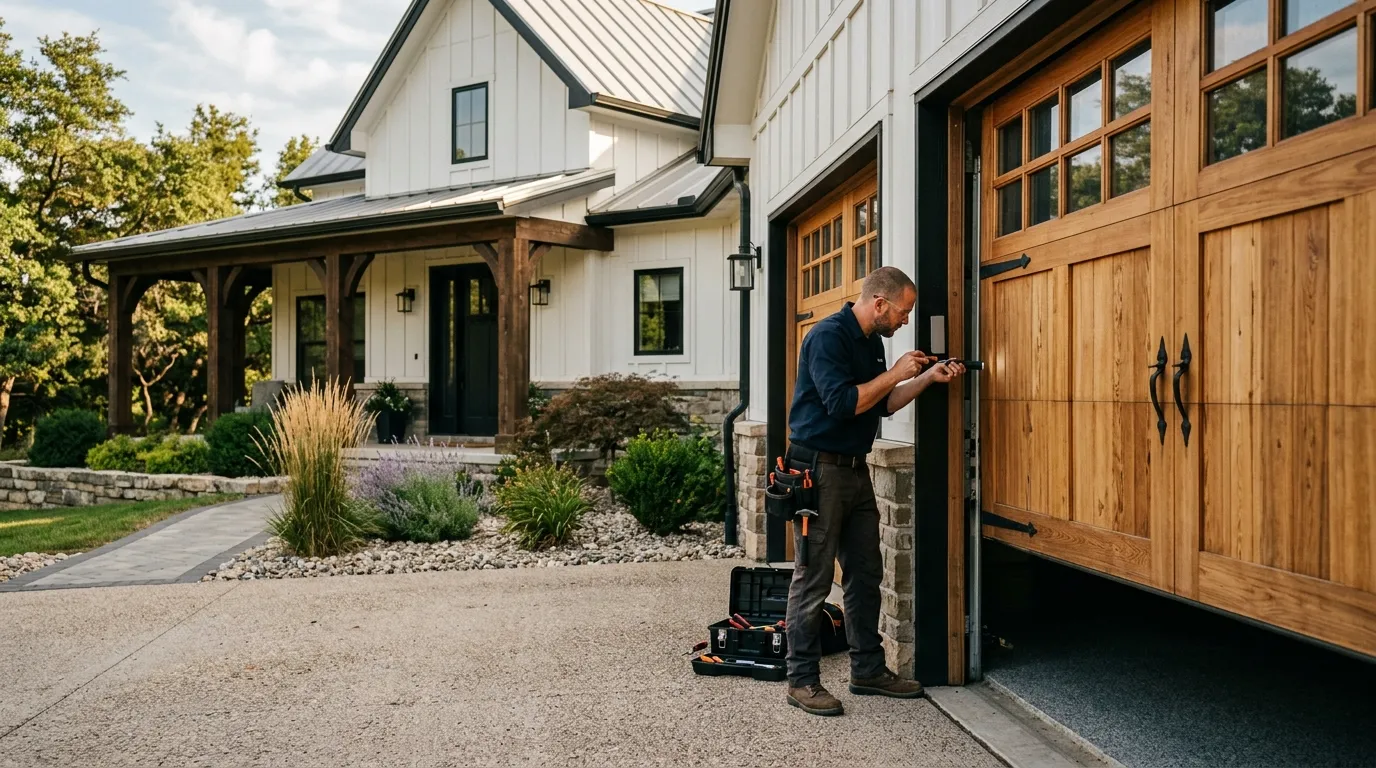
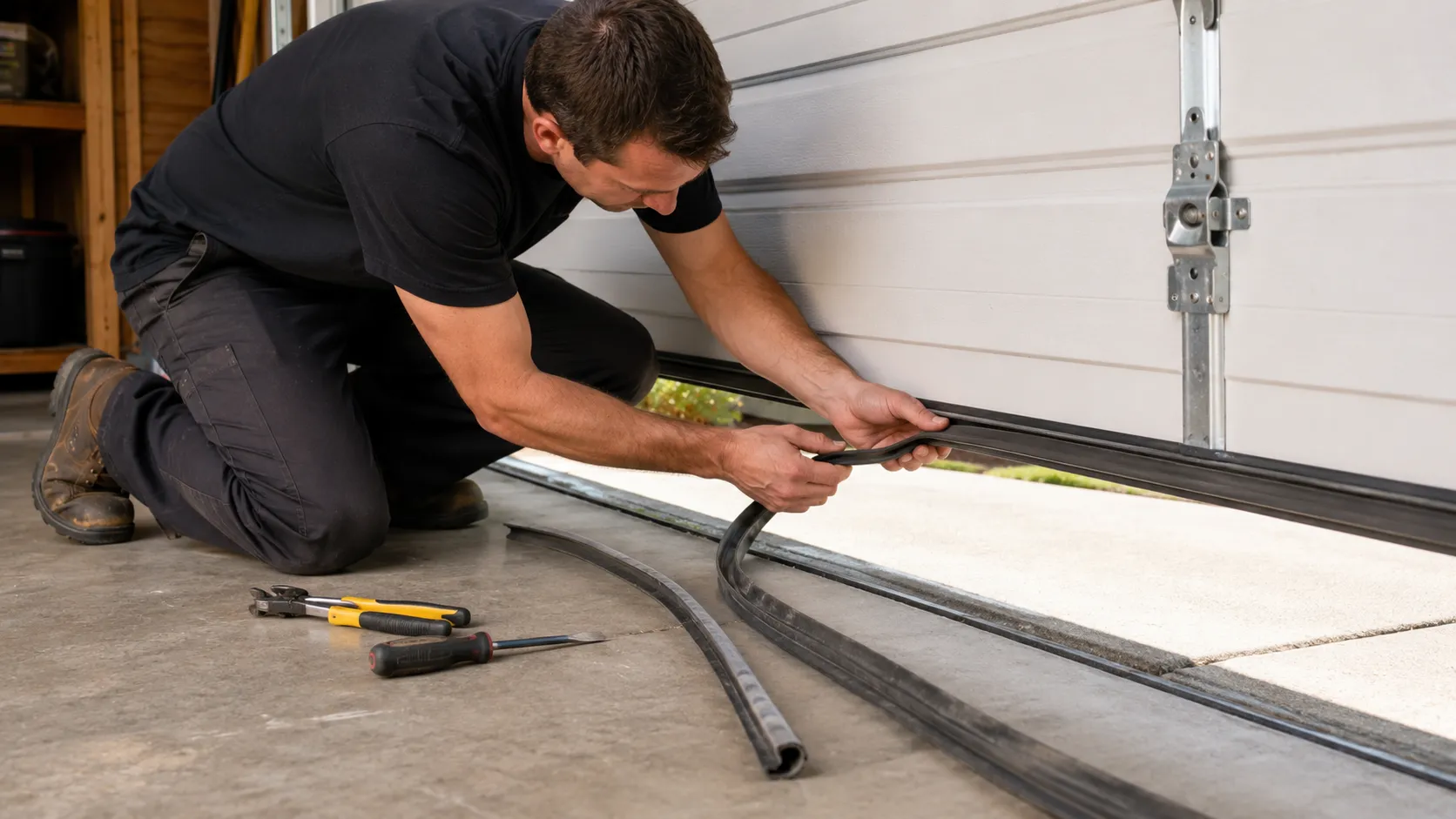
For a house built around 1993, the parts that fail are predictable: torsion springs sized for a 9x7 or 16x7 steel door, extension spring pairs on the older setups that still use them, galvanized lift cables, and steel rollers to replace the ones that have worn oval instead of round. We keep common gauge torsion springs and standard cable lengths on the truck because they cover most of what a house from this era needs. What we don't keep on hand is manufacturer-specific circuit boards for openers that are 25-plus years old and long out of production - those we order once we've confirmed the exact model, which is the one place this job can take longer than a same-visit fix.