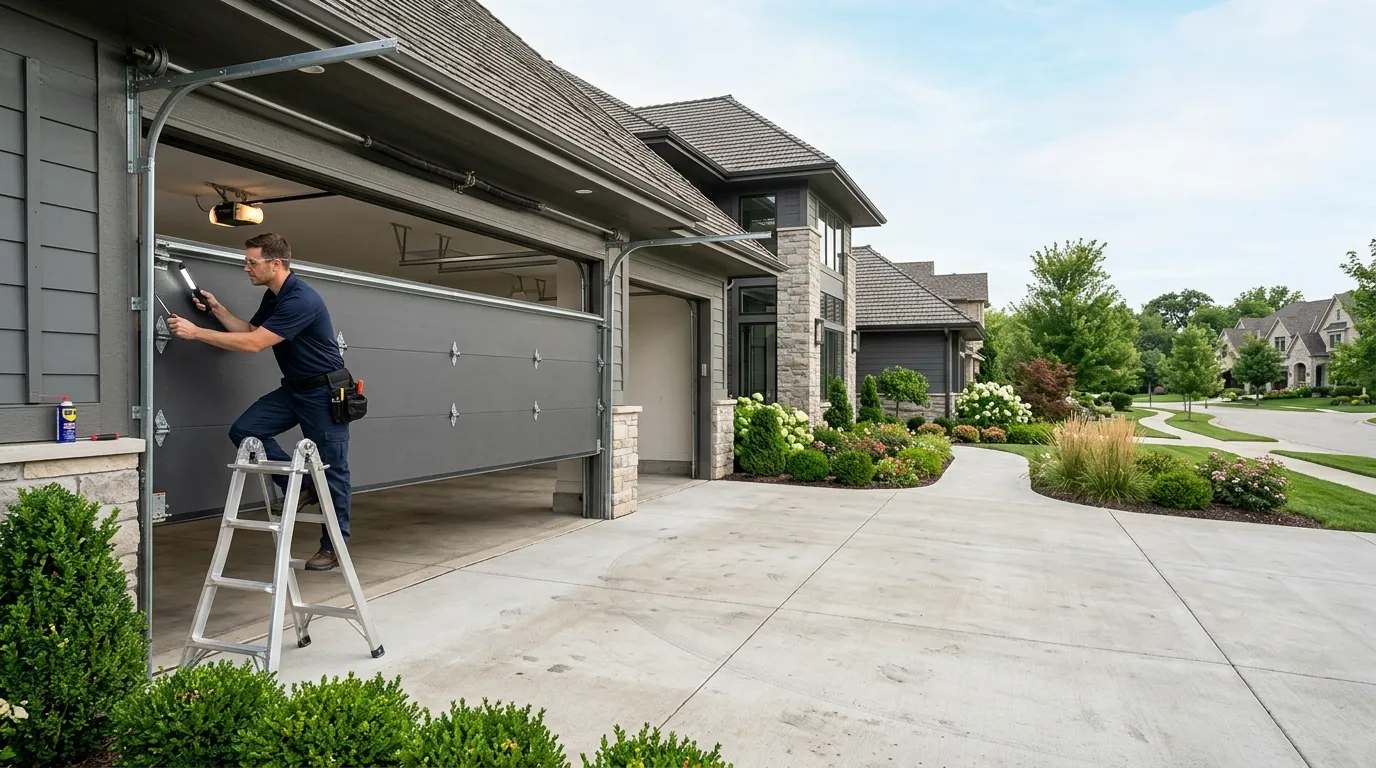
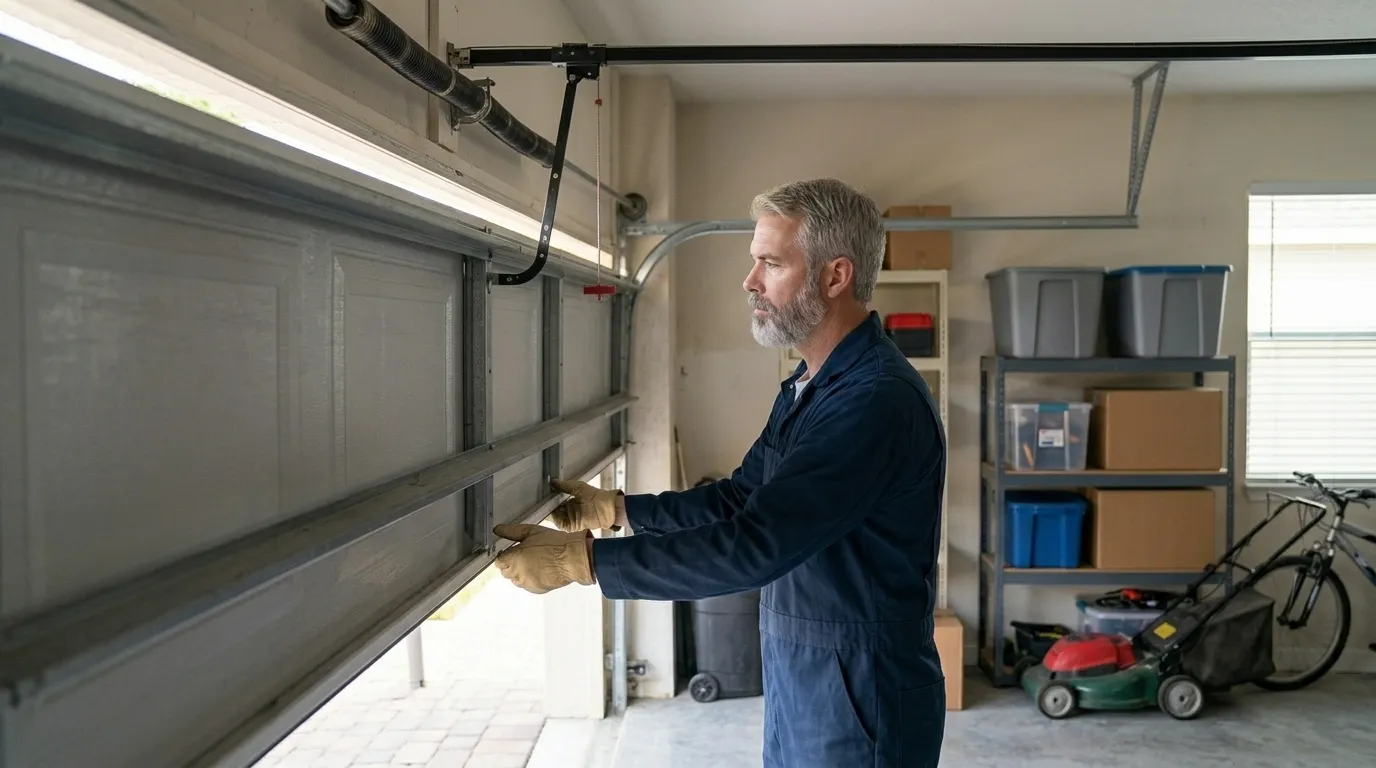
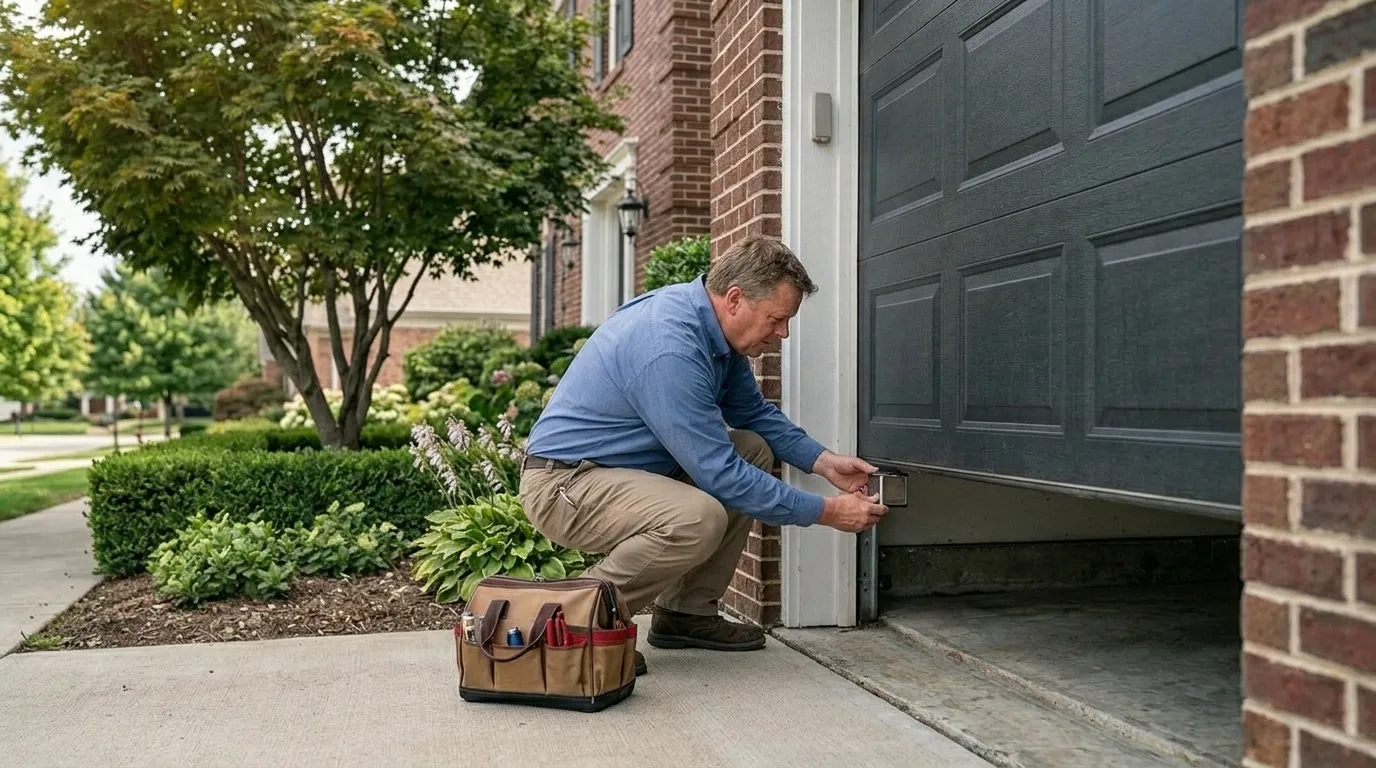
Opener failures in Irving trace back to housing stock from 1959-2010 and steady heat load on gears and belts. Same-area diagnosis and repair from Irving Garage Door Pros.
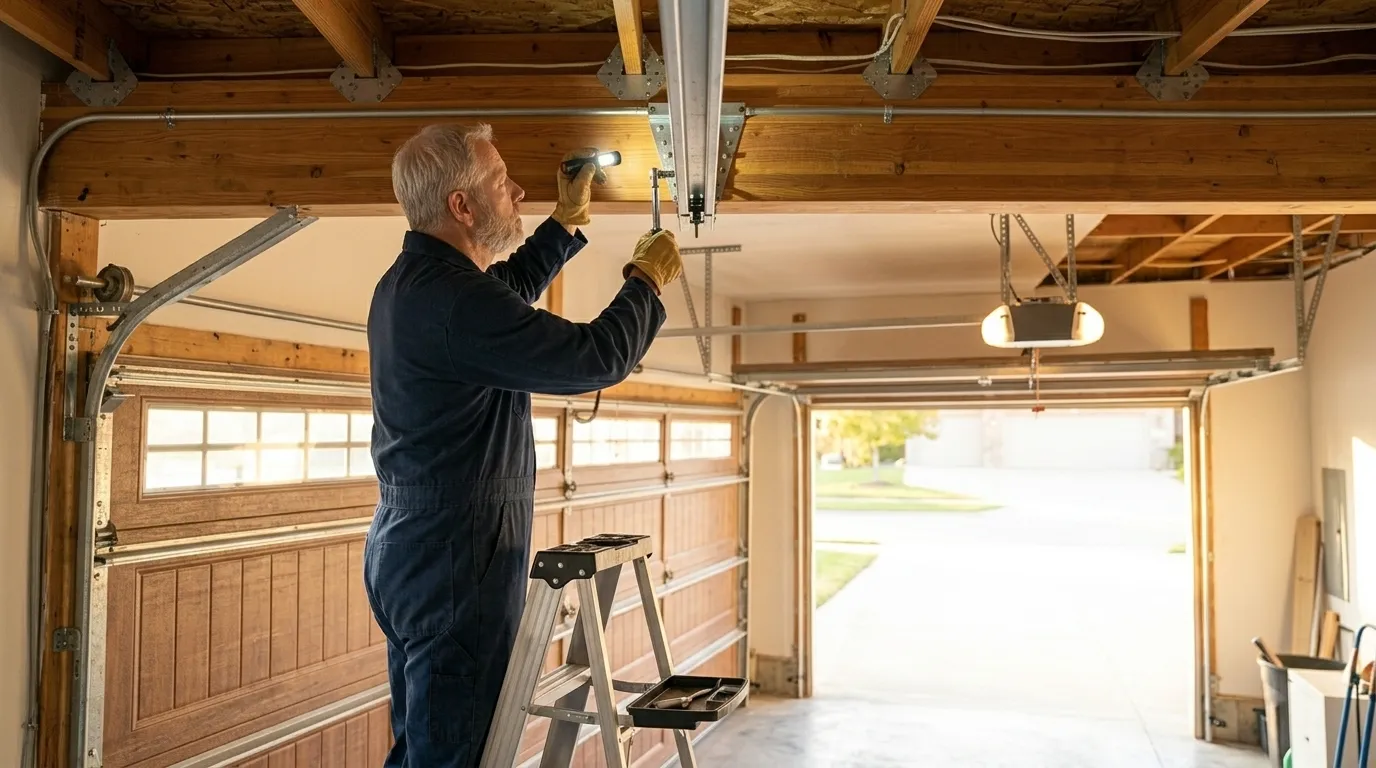
Most of the openers we get called on in this service area went in with houses built between 1959 and 2010, with the median build year sitting around 1993. That means a lot of chain-drive and early belt-drive units are now 20 to 30 years past their install date, running on original circuit boards and gear sets that were never meant to last three decades. Across the 18 named areas we cover, the stock leans heavily toward 1980s and 90s construction, which puts a huge share of openers right in that failure window at the same time.
Heat is the other half of it. The climate band here is moderate heat, not desert-extreme, but garages still sit well above ambient temperature for long stretches of the year. That kind of sustained heat dries out lubricant on the drive gear, warps nylon gear teeth, and shortens the life of capacitors in the logic board faster than the manual assumes. It's not one heat event that kills an opener - it's the cumulative load, year after year, on a unit that was already old.
Put those two things together - an aging fleet of units from a specific build era, sitting in garages that run hot for months at a time - and you get a predictable pattern of stripped gears, dead boards, and worn-out belt tensioners across the whole area, not just one house.
The Symptom
The most common call is an opener that hums but the door doesn't move - that's almost always a stripped nylon drive gear on an older chain unit, the same failure mode that shows up again and again in this build era. Close behind that: a door that opens fine but won't close, or reverses right before it seats, which usually means a misaligned or failing safety sensor rather than the motor itself.
A third pattern is the opener that runs the full cycle but the door lags a beat behind the sound of the motor - that's belt or chain slack, sometimes paired with a worn sprocket. On the electrical side, a board that clicks but sends no power to the motor points to a capacitor or logic board failure, which tracks with the age range of units still in service here.
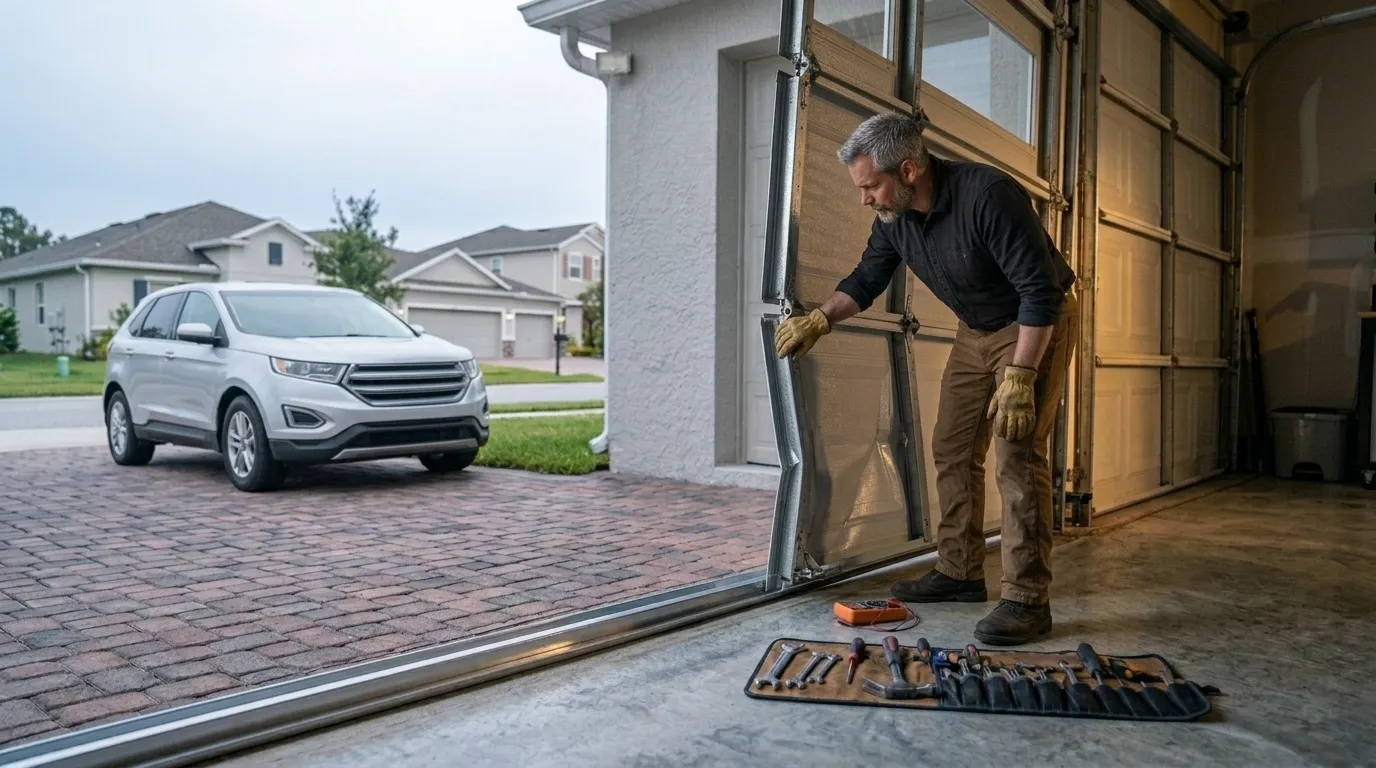
What we don't see much of, at least not tied to this pattern, is total structural failure of the opener housing itself. These are functional failures - gears, boards, sensors, belts - not the unit falling apart. That distinction matters, because it usually determines whether the fix is a part swap or a full replacement.
Can You Do This Yourself
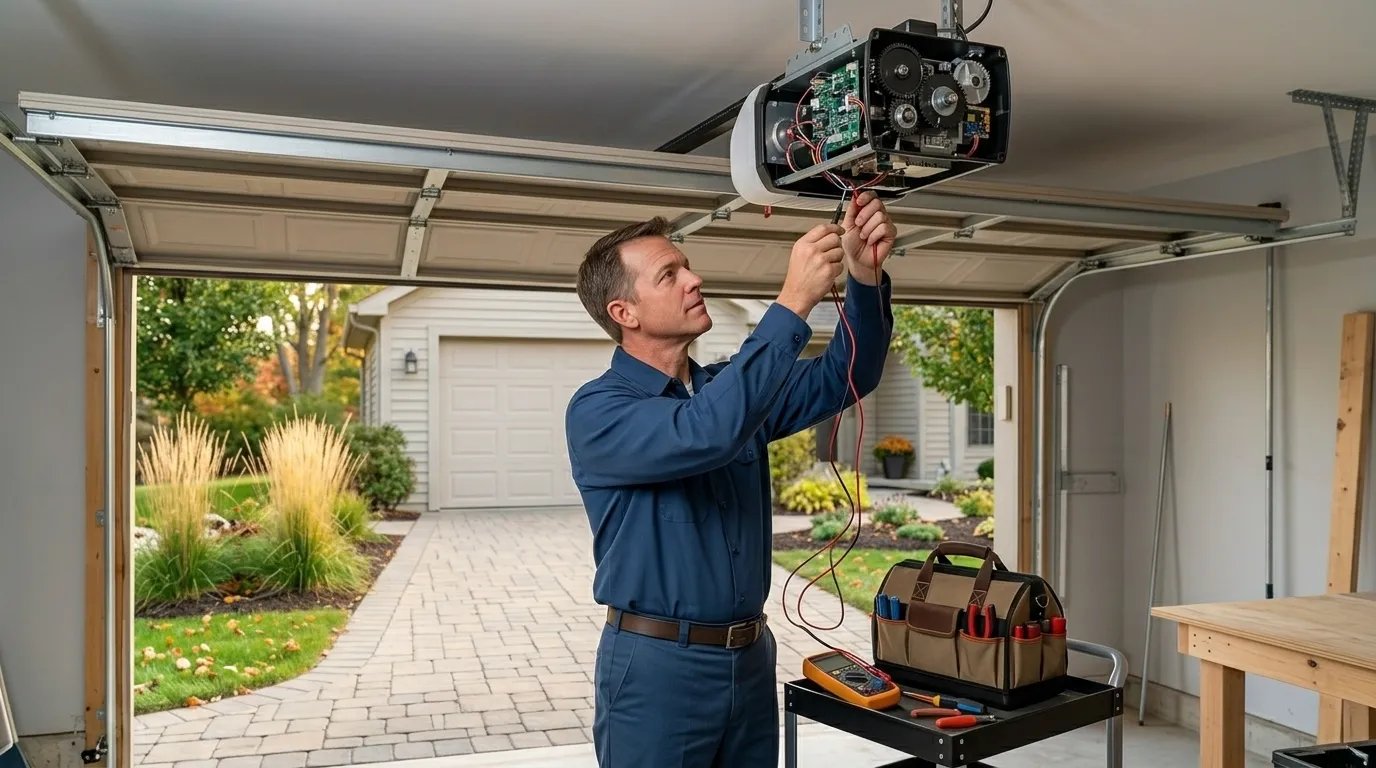
Some of this is within reach for a homeowner comfortable with a ladder and a multimeter. Realigning a safety sensor that's a quarter-inch off, or reprogramming a remote, takes ten minutes and no special tools. Cleaning and lubricating a dry rail or chain is straightforward maintenance, not repair.
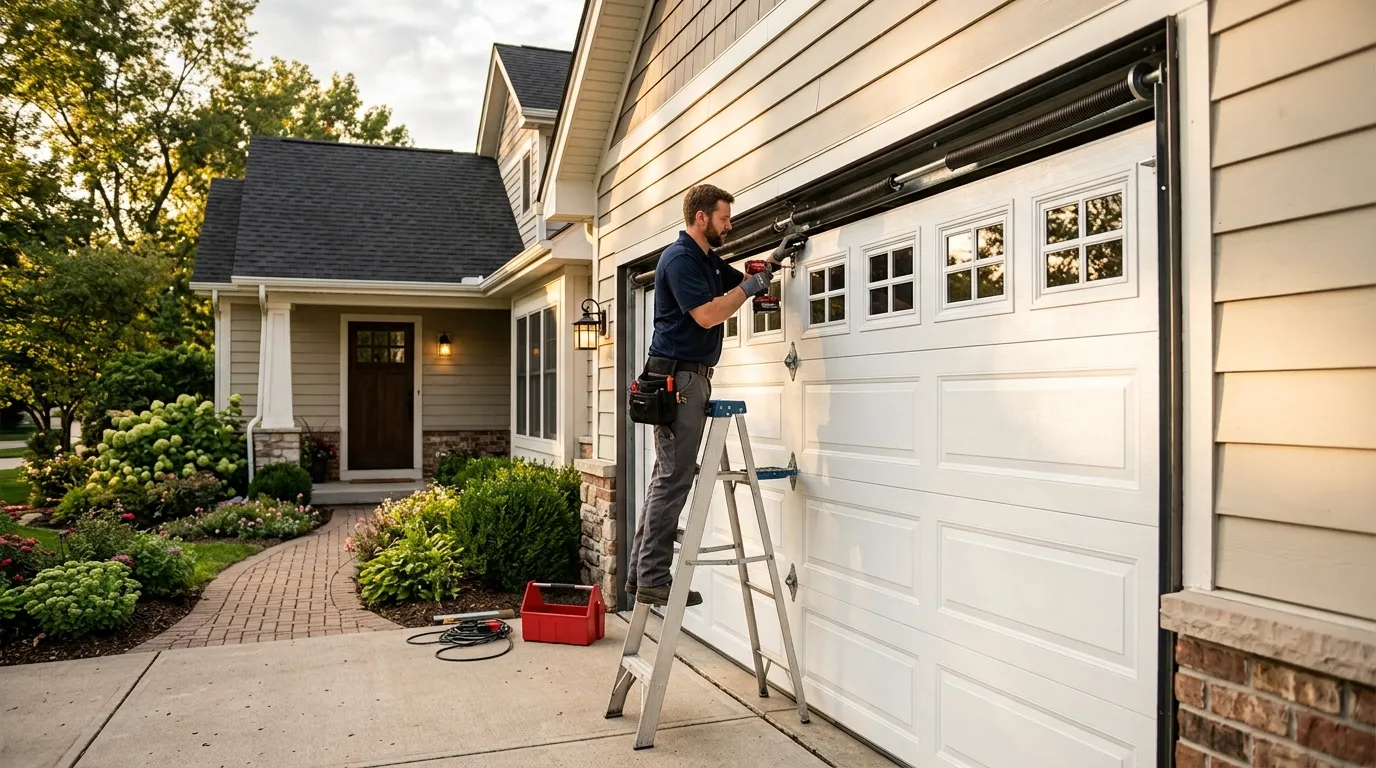
Where we'd tell you to stop: anything involving the torsion spring assembly, or diagnosing a logic board failure without a way to test the circuit safely. A miswired board or a spring under tension can hurt you, and guessing at a part swap on a 20-year-old opener often means ordering the wrong replacement gear kit, since manufacturers changed mounting patterns across that build era.
Our honest limitation: if your opener is old enough that the manufacturer no longer stocks the gear kit or logic board for it, we're not going to keep chasing parts on a unit that's cheaper to replace outright. We'll tell you when that line gets crossed instead of billing you for a repair that won't hold.
How Long You Are Without the Door
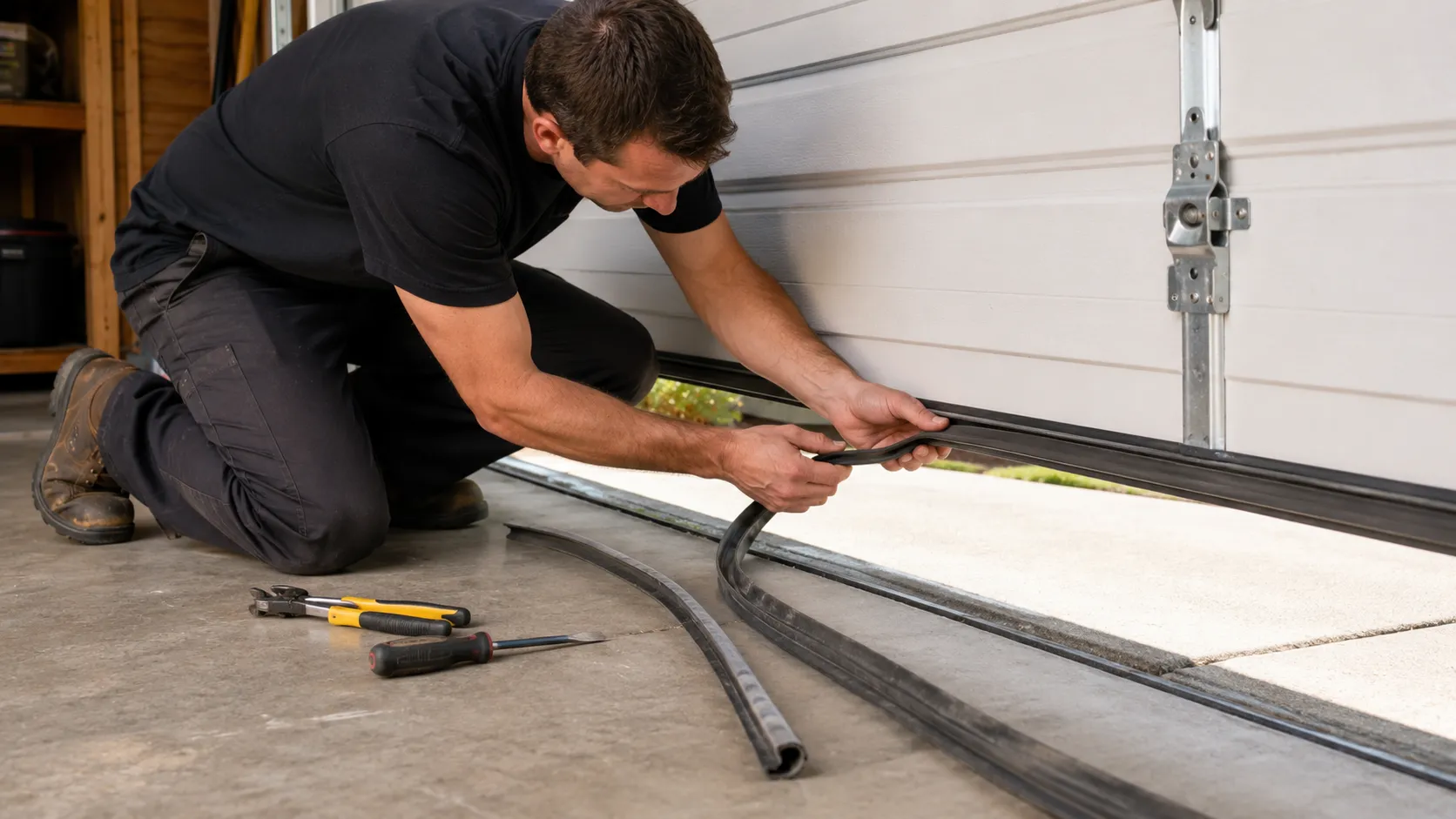
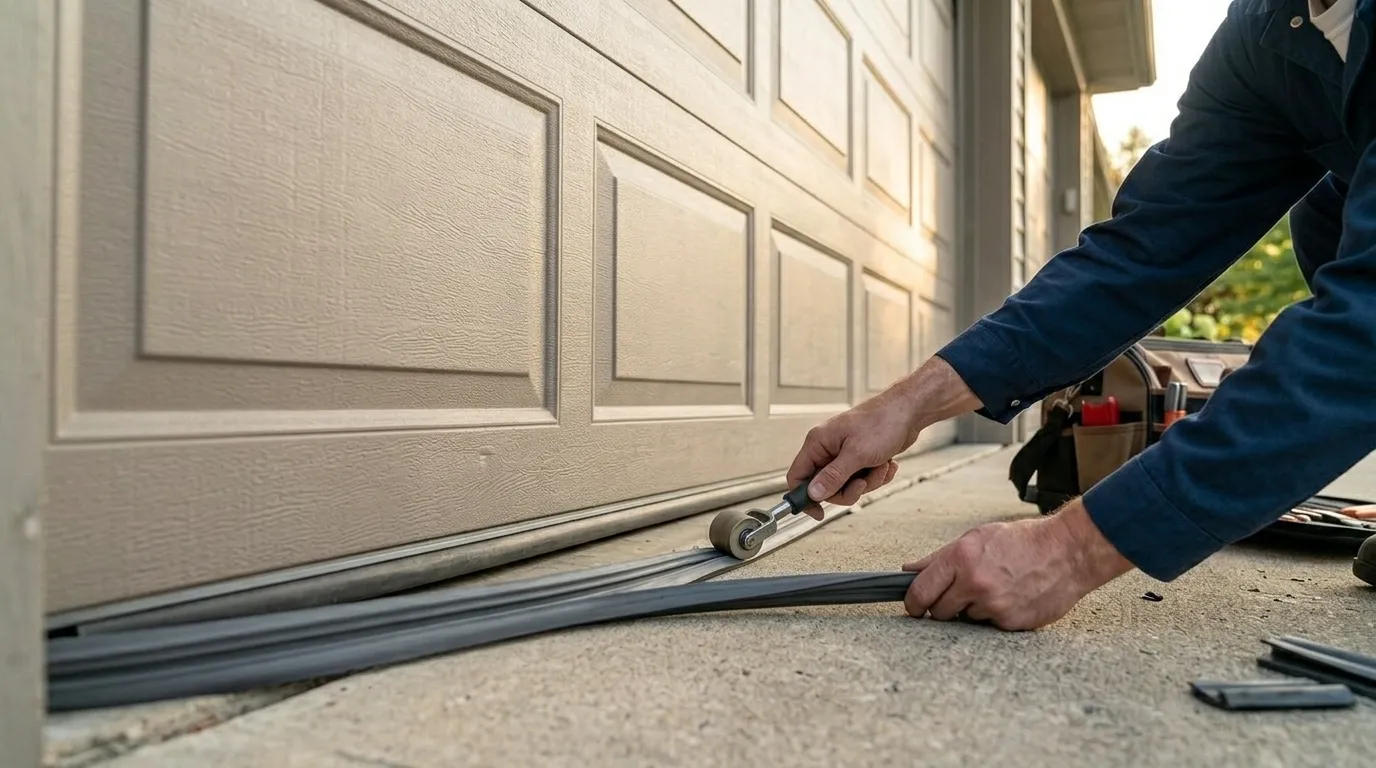
Most opener repairs - gear replacement, sensor realignment, belt tensioning - are a same-visit fix once we've diagnosed the failure. The door is usually operational again within the hour we're on site, not sitting disassembled overnight.
Where it stretches out is parts availability. A logic board for an opener from the earlier end of that 1959-2010 build range isn't always on the truck, and if it has to be ordered, you're looking at a wait measured in days rather than hours. In the meantime, most doors can still be operated manually by pulling the emergency release, so you're not locked out of the garage - you're just back to lifting it by hand until the part lands.
That's the trade-off we're upfront about: a same-day fix on common failures, a longer window on anything that needs a part specific to an older unit. We'd rather tell you the wait up front than promise a timeline we can't hit.
How it works
From “it’s stuck” to “it’s fixed”
01
Tell us what’s wrong
Describe the symptom - won’t open, loud bang, opener runs but the door won’t move.
02
On-site diagnosis
A technician tests the door under power and by hand and finds what actually failed.
03
Clear, up-front plan
You get the fix that’s needed and what drives the cost - before any work starts.
04
Repaired & tested
The repair is done, the door is set true and tested, and the work area left clean.
Serving Irving, TX - tell us what your door’s doing and we’ll take it from there.
Why do so many Irving-area garage doors have opener trouble around the same age?
Because so much of the housing stock here was built in a concentrated window - median build year around 1993, mostly 1980s-90s construction - a large share of openers are hitting the 20-30 year mark on original gears and boards at roughly the same time, which is why this failure pattern shows up so often across the area.
Is a humming opener that won't move the door a motor problem?
Usually not the motor itself - it's almost always a stripped nylon drive gear, a cheap part inside the opener housing that wears out with age and heat exposure. The motor is fine; the gear that connects it to the chain or belt has failed. It's a common, fixable repair, not a sign you need a new opener.
Can I just replace the opener myself instead of repairing it?
You can, but matching mounting brackets and rail length to an older garage setup is where people get stuck. If the failure is a $30 gear kit, replacing the whole unit costs more than it needs to. We'll tell you honestly which way makes sense once we've seen the actual failure.
Ready to get your garage door sorted?
Tell us what it’s doing and where you are in Irving - we’ll take it from there.