Irving homes built between 1959 and 2010 wear down hardware differently than newer builds. See why routine garage door maintenance matters here and what a tune-up actually covers.
Most of the housing across this service area went up between 1959 and 2010, with the median build year sitting around 1993. That's a wide spread, but it means a lot of doors and openers are now old enough that the factory lubrication is long gone and the original hardware has seen three decades of Texas heat cycles. The climate here runs in the moderate-heat band, which sounds mild compared to some regions, but it still means steel tracks and springs expand and contract every single day, not just in a summer heat wave. That daily cycling loosens fasteners, dries out rollers, and works grease out of bearings faster than owners expect.
Across the roughly 175,535 households and 86,095 owner-occupied houses in this area, we see the same pattern: a door that worked fine for years starts binding, squealing, or drifting off-track right around the point when nobody's touched the hardware since it was installed. Newer builds in the mix, closer to 2010, still need this because plastic bushings and lighter-gauge springs used in more recent construction wear on a shorter timeline than the heavier hardware from the 60s and 70s. Either way, the fix isn't dramatic - it's catching wear before a spring snaps or a track pulls loose from the jamb.
The Symptom
The early signs are almost always noise or hesitation before they're a full stop. A door that used to glide now grinds partway up, or it reverses on its own halfway through closing. Cables that used to sit flush start to fray at the drum. Rollers that once turned smoothly start to flat-spot, so you hear a rhythmic thump instead of a rolling sound.
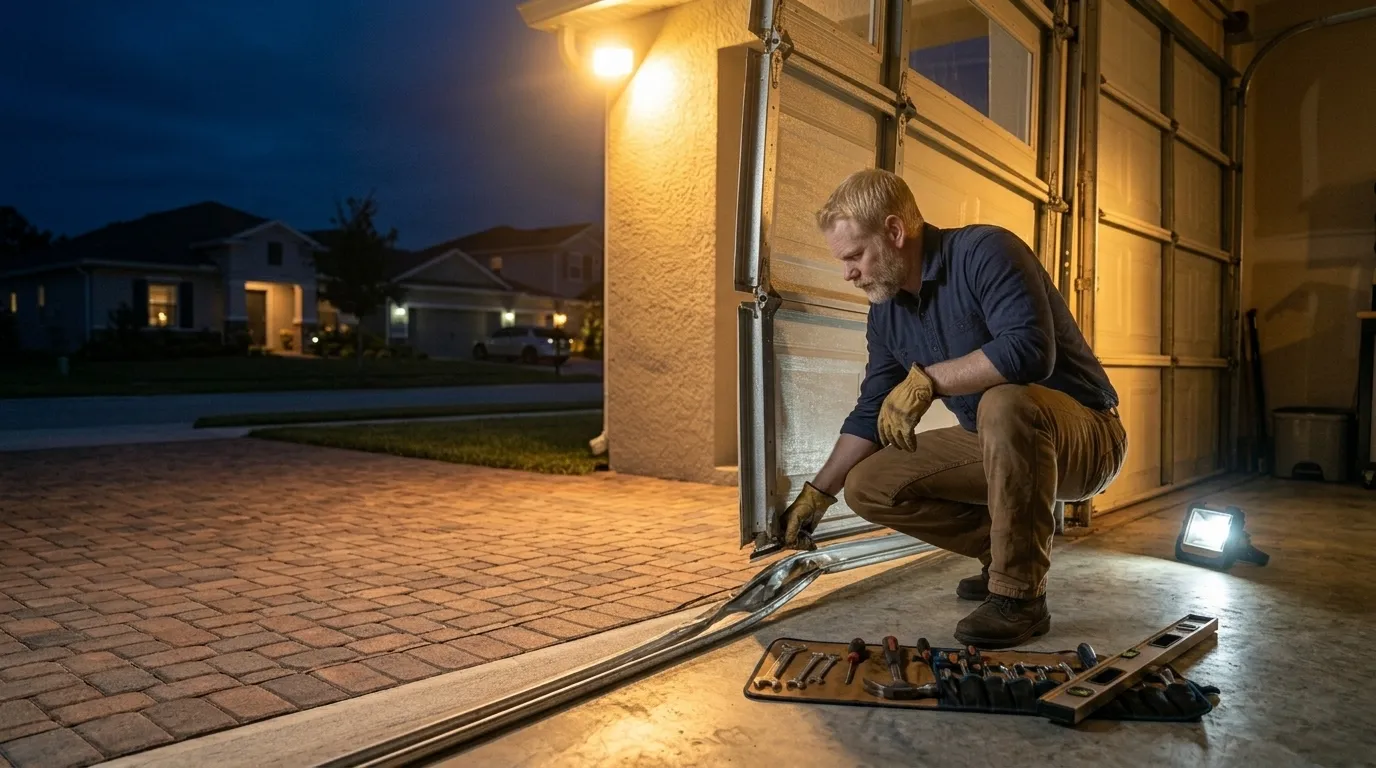
On older housing stock in this area, the giveaway is usually rust bleeding through the spring coil or a track that's pulled slightly away from the wall bracket - hardware that's outlived its lubrication and its fasteners both. On the newer end of the 1959-2010 range, the more common symptom is an opener that runs longer than it used to, straining against a spring that's lost tension gradually rather than snapping outright. Either way, the door still opens - for now - which is exactly why people put off calling until it doesn't.
Can You Do This Yourself
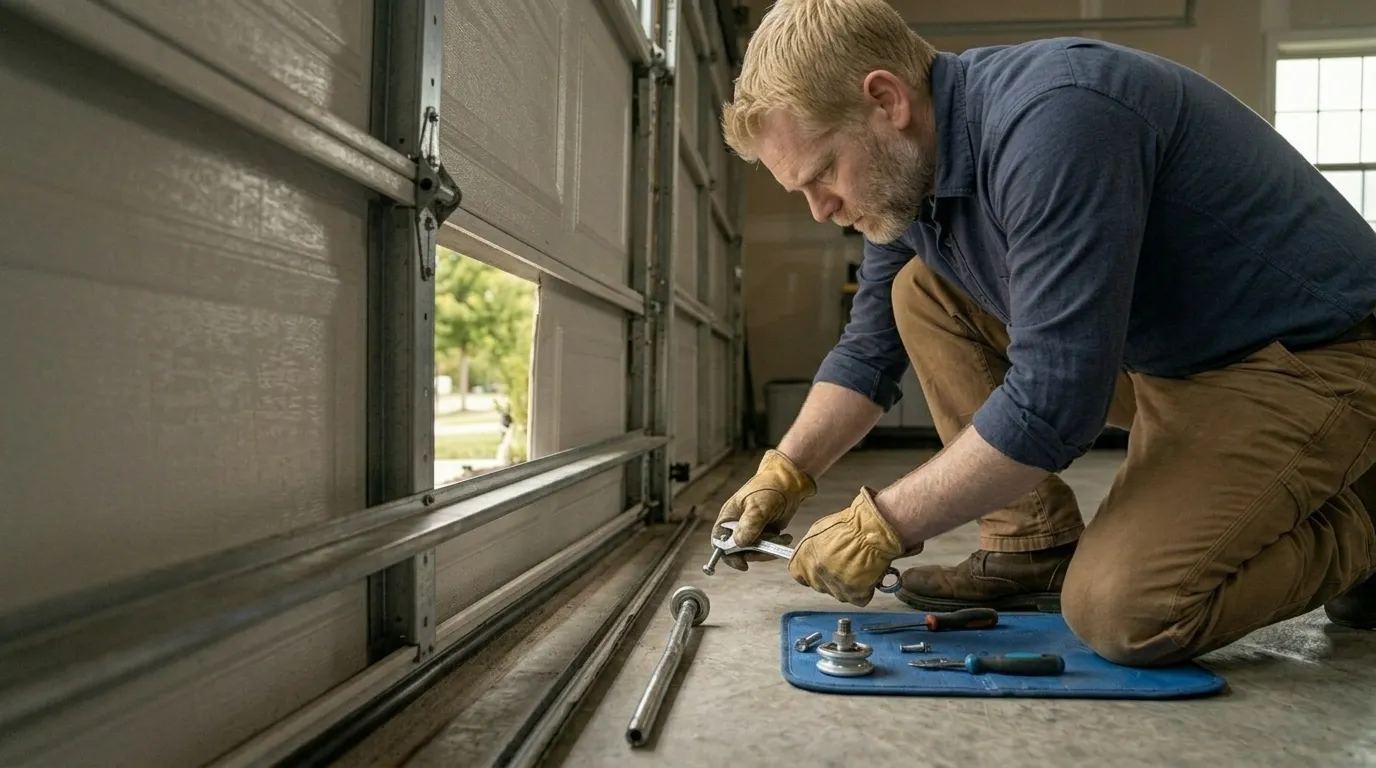
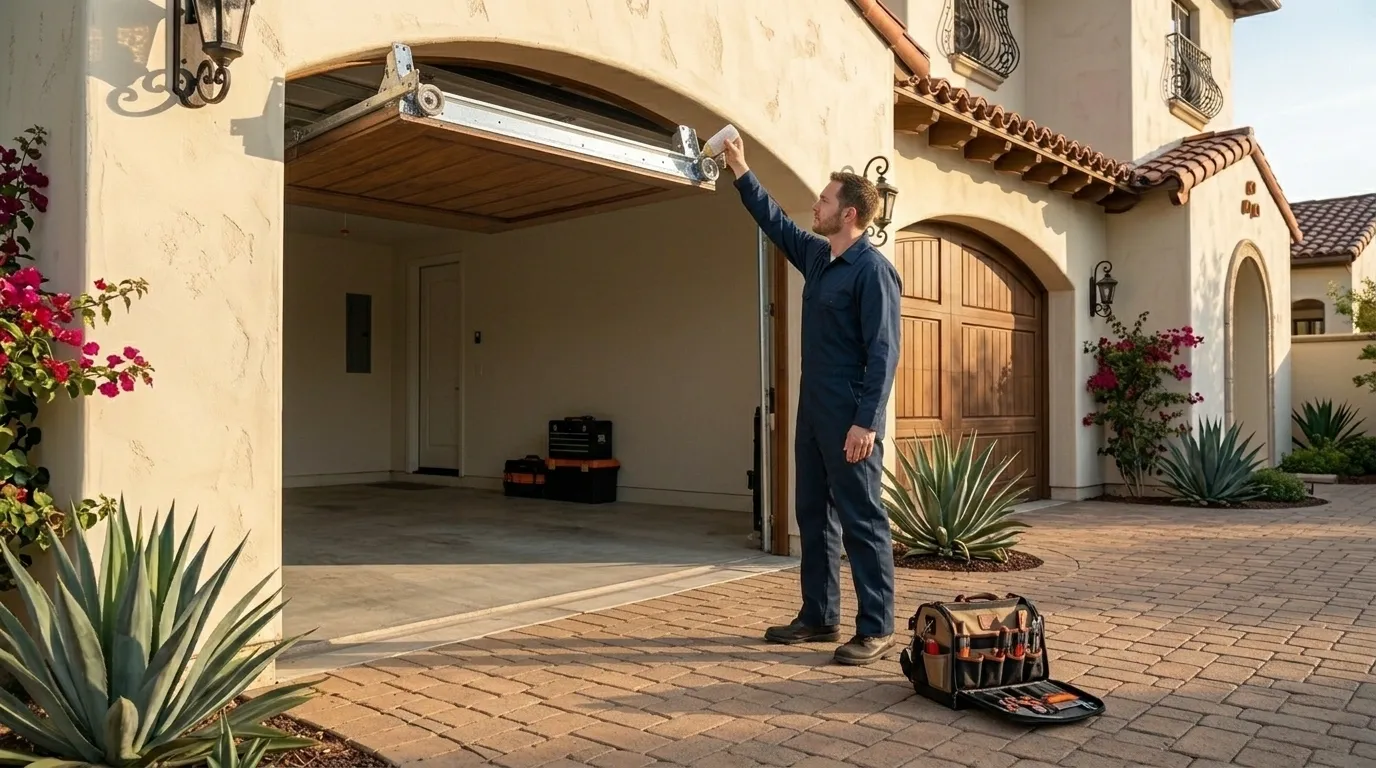
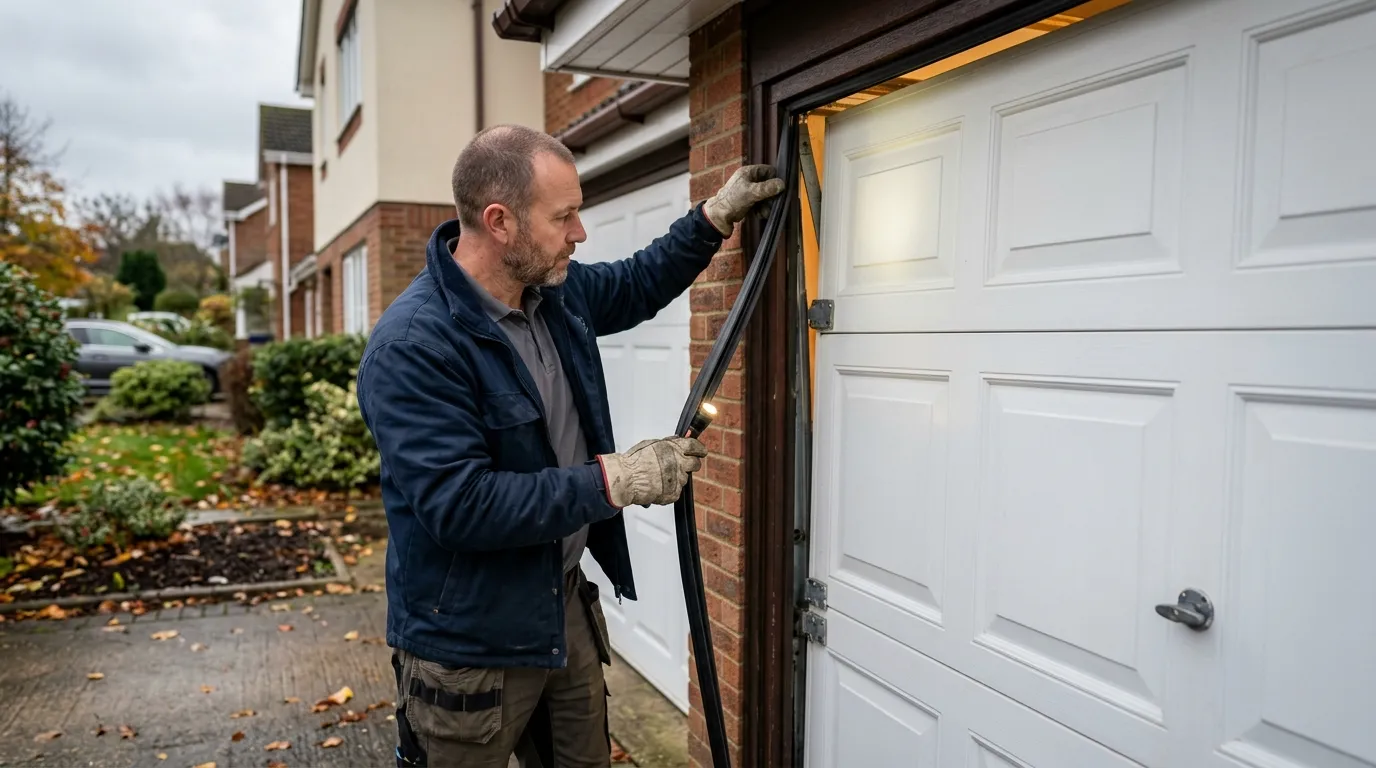
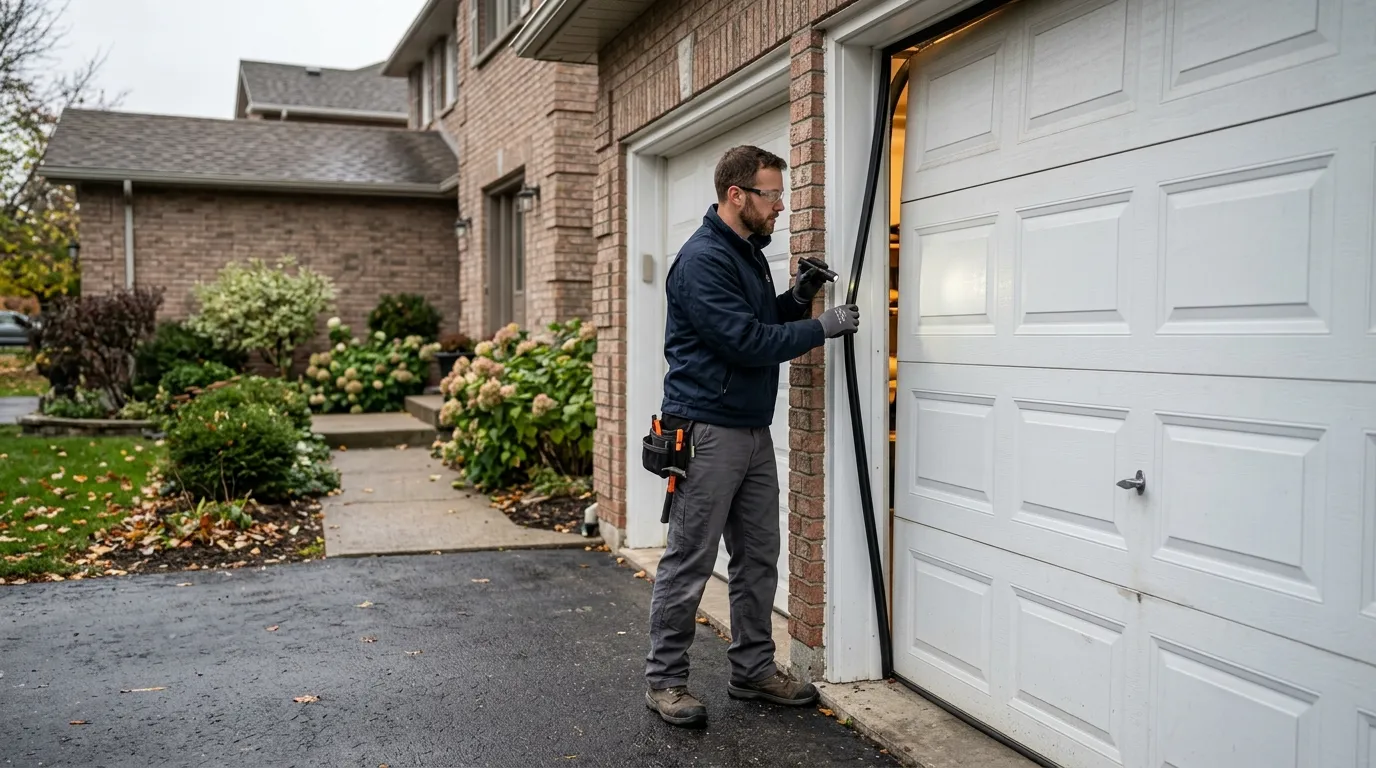
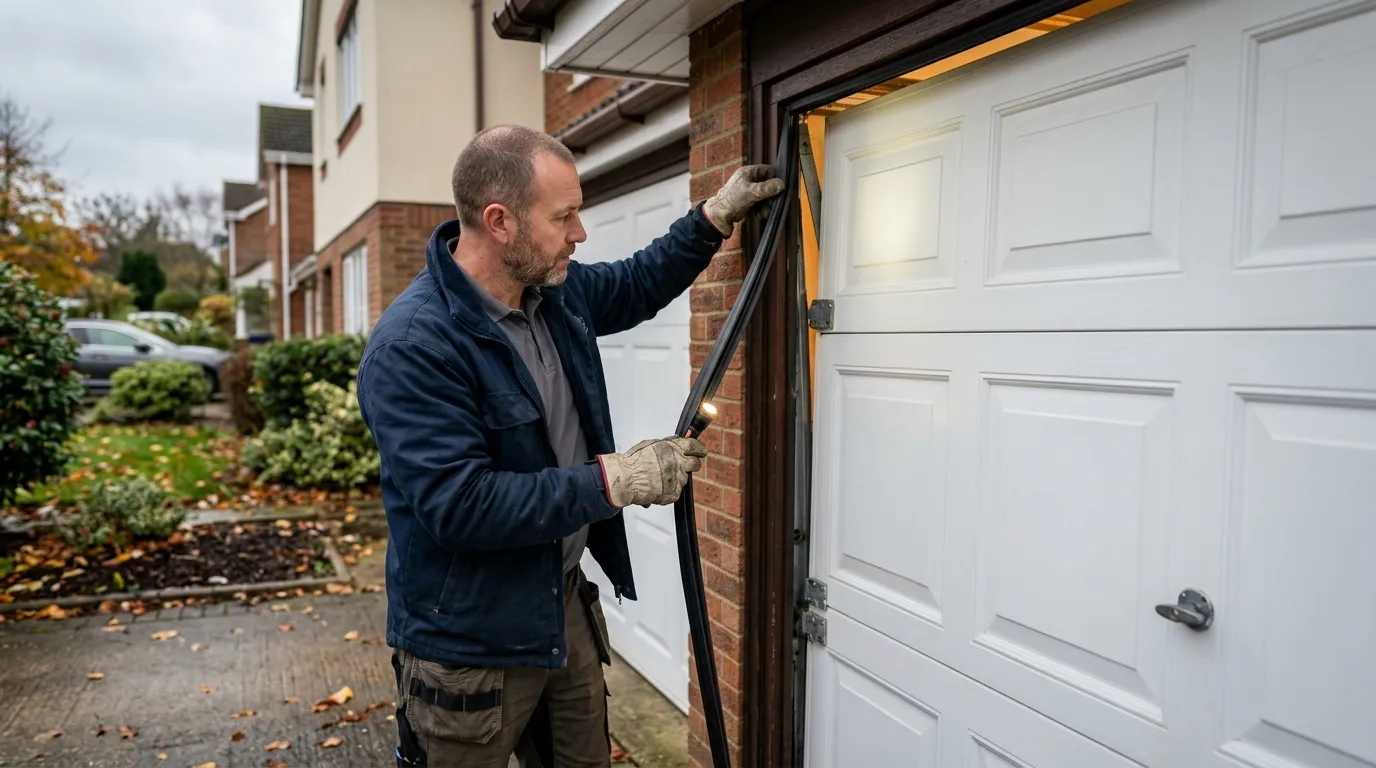
Some of it, yes. Wiping down and lubricating rollers and hinges with a garage-door-rated lubricant, not household oil, is something most owners can do safely on a ladder with the door closed. Checking that the tracks are free of dirt and debris is the same. Tightening loose bolts on the track brackets is fine too, as long as the door is down and the opener is unplugged.
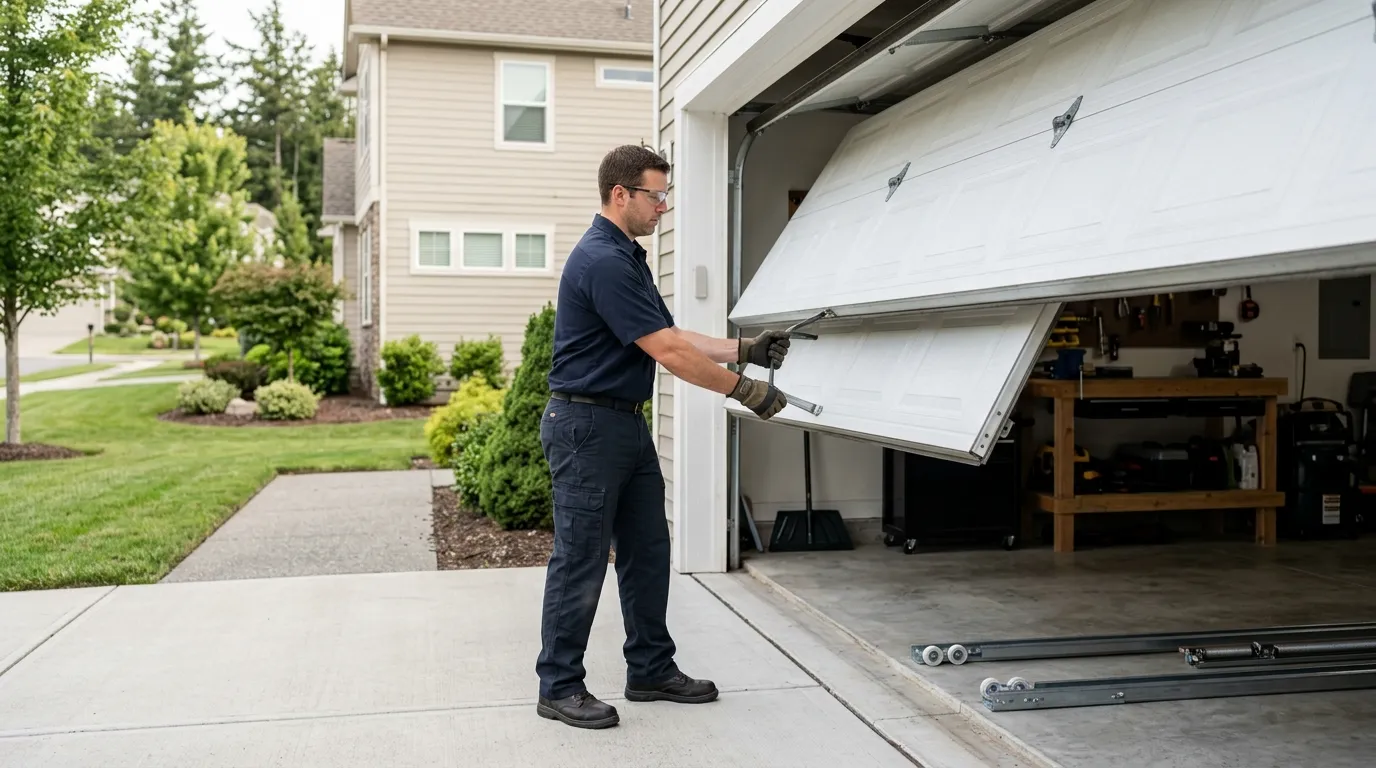
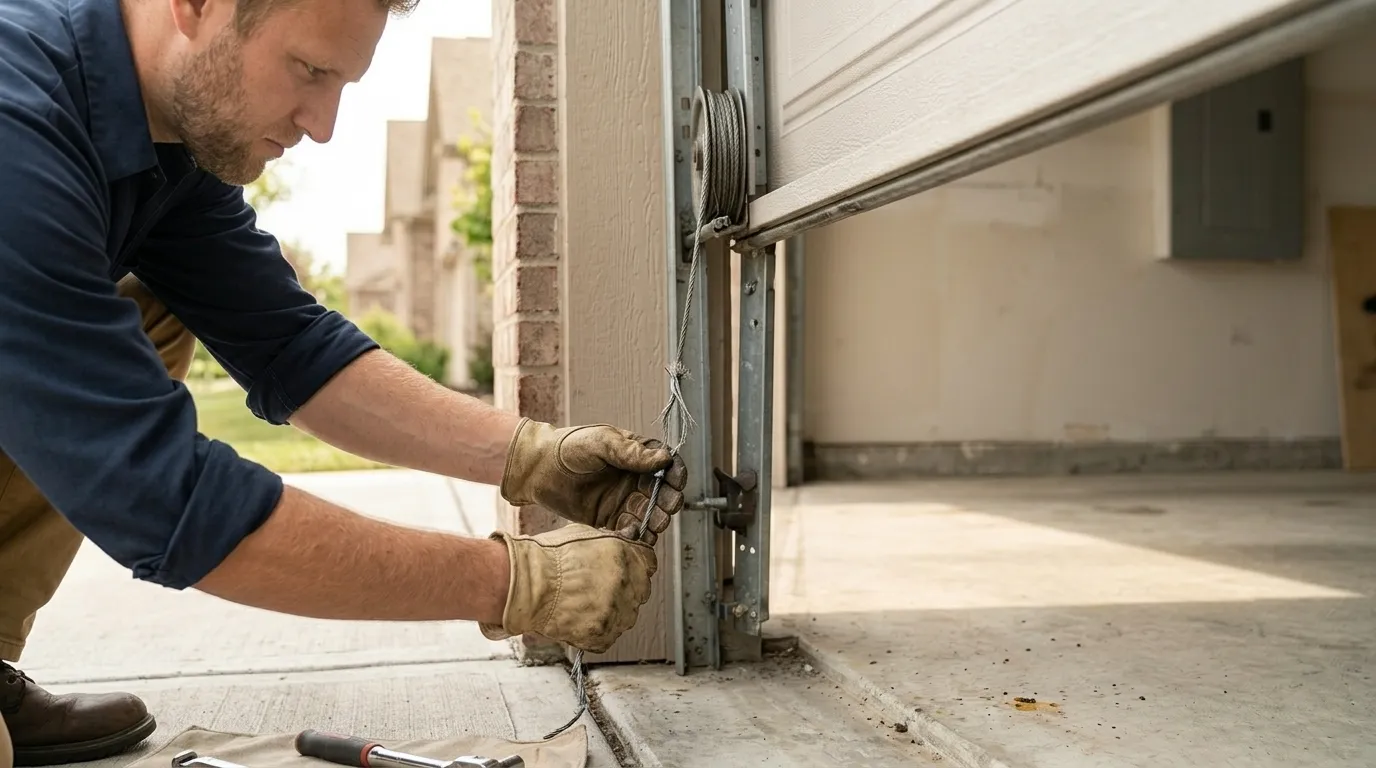
What you should not do yourself: touch the torsion spring. It's wound under enough tension to cause a serious injury, and there's no safe way to adjust or replace it without the right bars and clamps. Same goes for cable replacement - a cable under load that slips off a drum can whip hard enough to break bone. If your maintenance check turns up a rusted spring coil, a frayed cable, or a bent track section, that's the point to call rather than keep going. We'd rather talk you through what's safe to check yourself than have you find out the hard way what isn't.
How Long You Are Without the Door
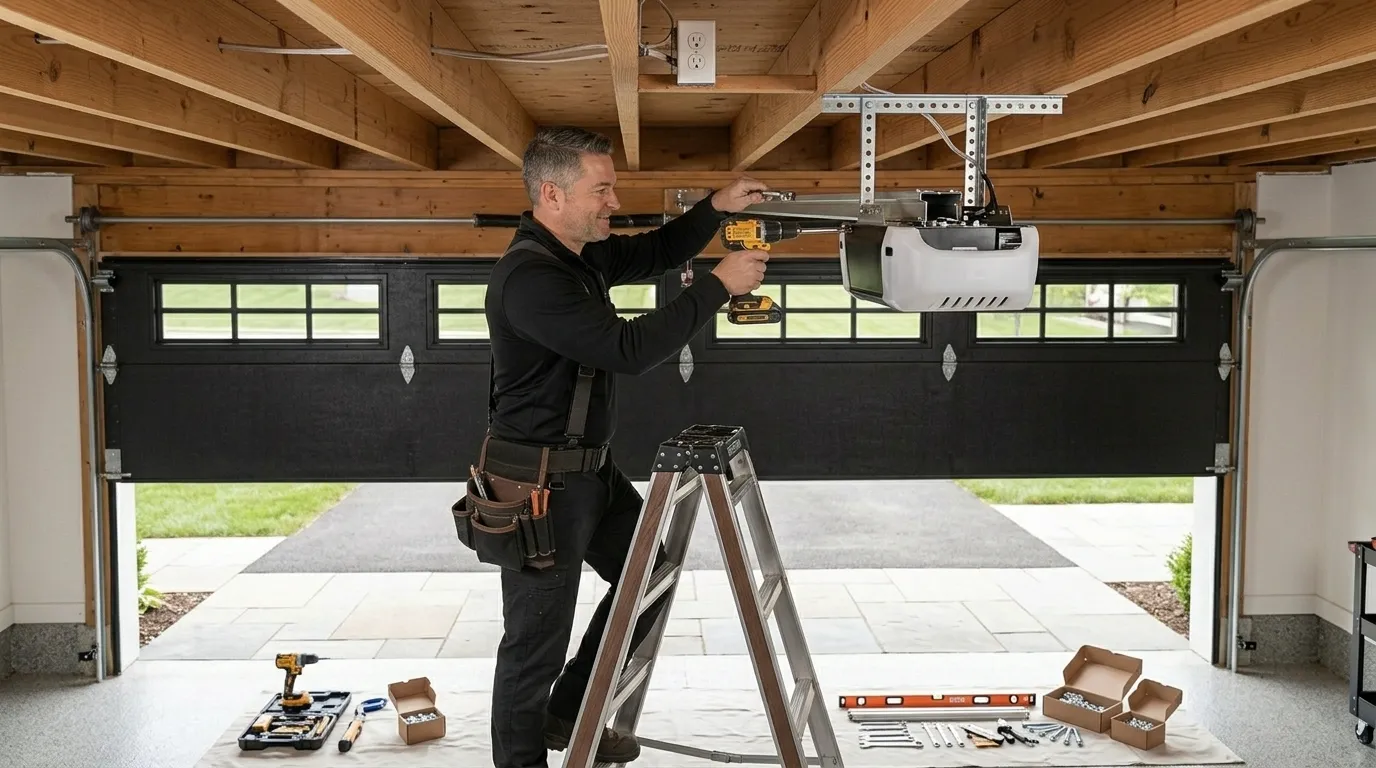
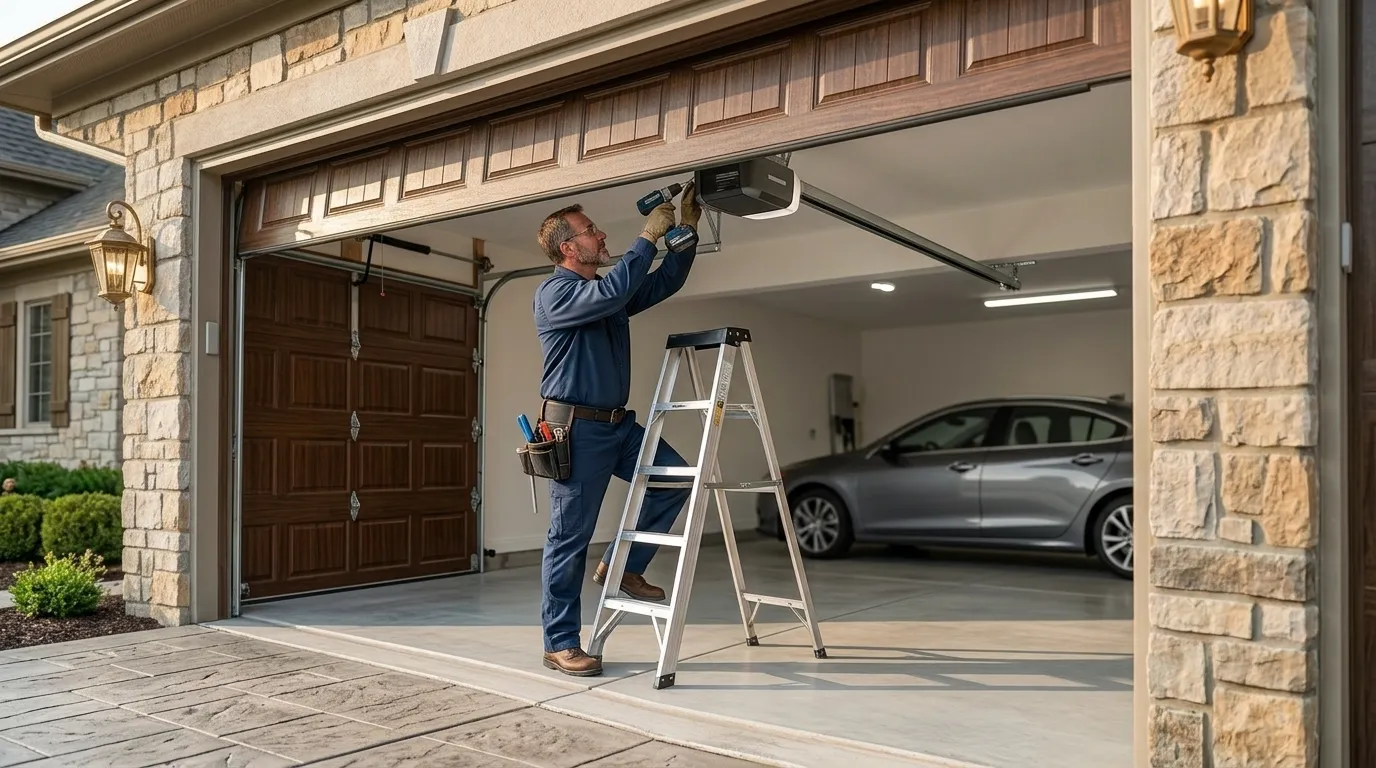
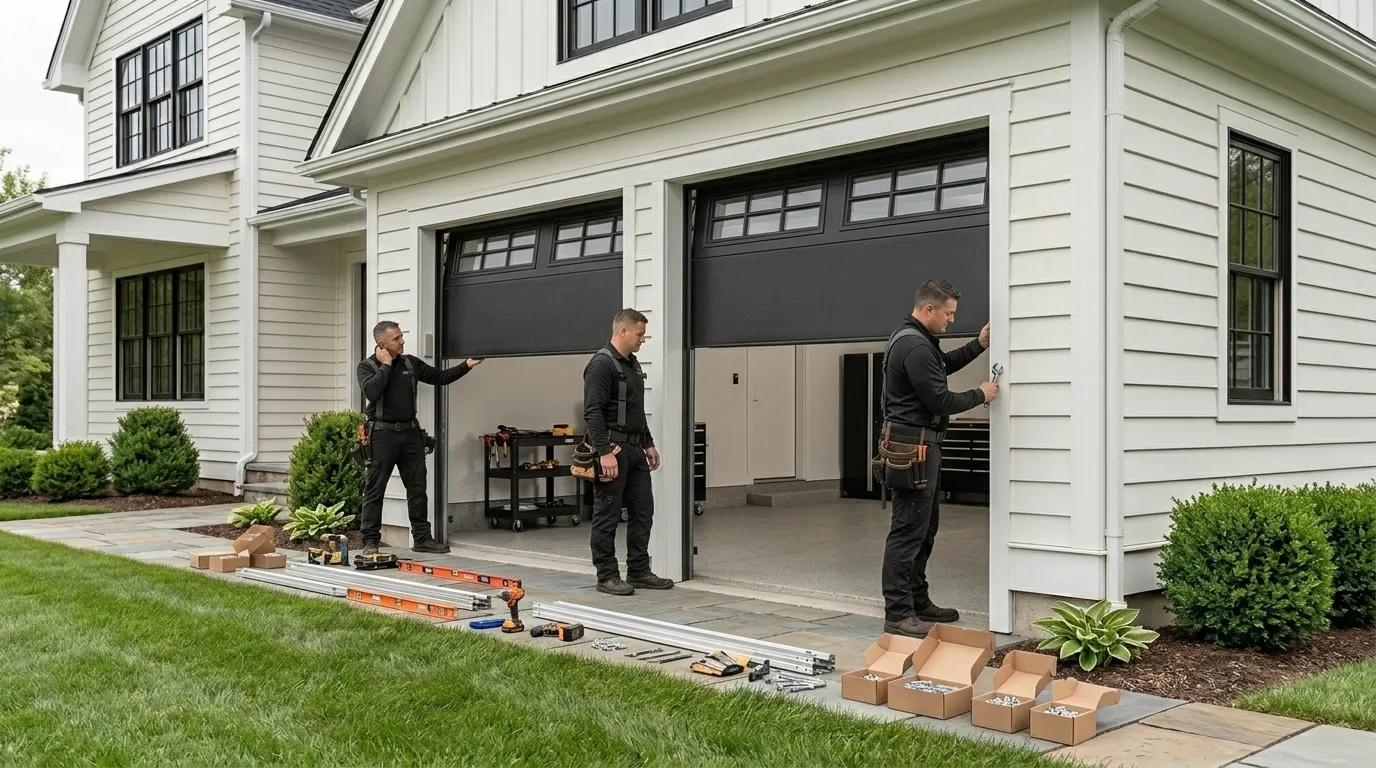
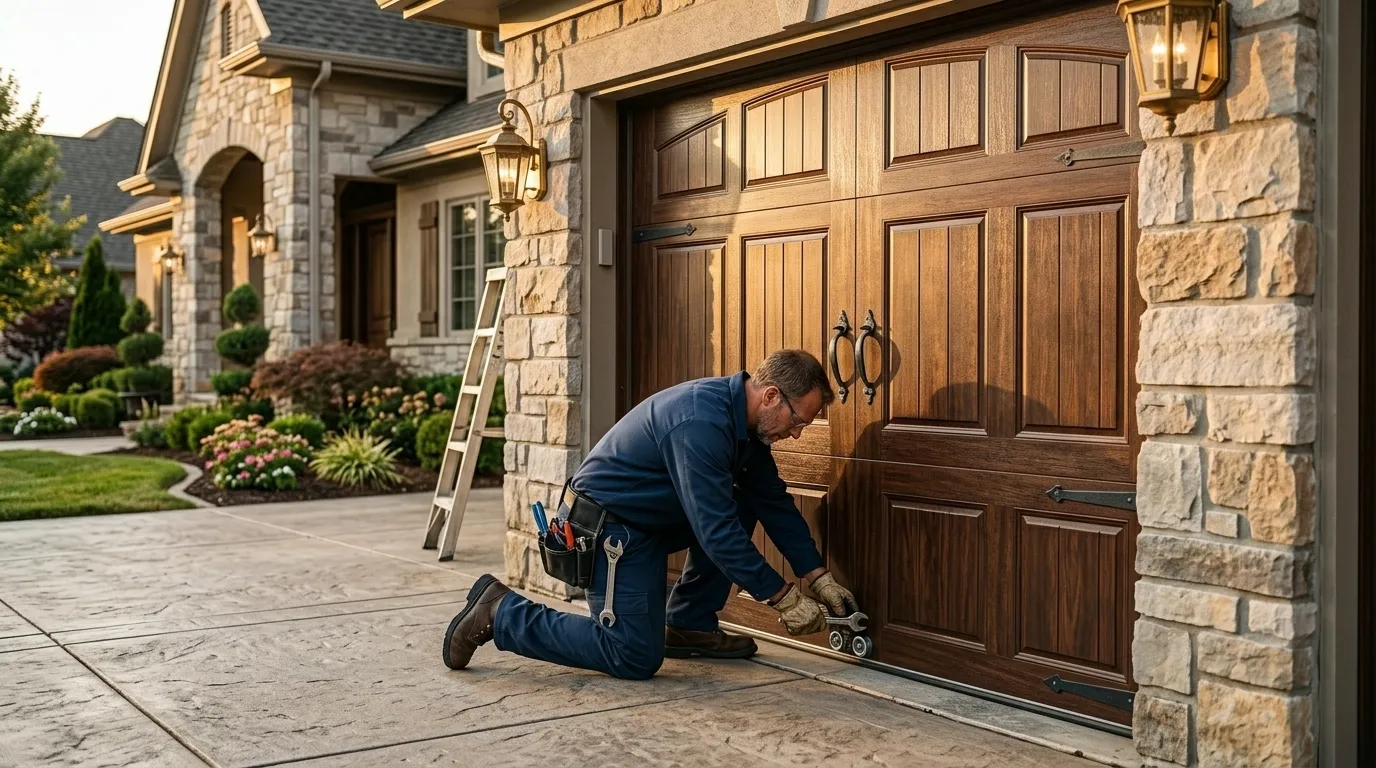
A routine maintenance visit - lubrication, hardware check, balance test, opener inspection - doesn't take the door out of service at all. You can still park in and out while the work happens, since most of it is done with the door cycling open and closed, not sitting disassembled.
If the visit turns up something that needs a part - a roller, a cable, a worn spring - that's a separate conversation about parts and timing, and we'll tell you honestly what that looks like before we start. Maintenance itself is the cheap, fast half of this. It's the half that keeps you from ending up on the other side of that conversation.
How it works
From “it’s stuck” to “it’s fixed”
01
Tell us what’s wrong
Describe the symptom - won’t open, loud bang, opener runs but the door won’t move.
02
On-site diagnosis
A technician tests the door under power and by hand and finds what actually failed.
03
Clear, up-front plan
You get the fix that’s needed and what drives the cost - before any work starts.
04
Repaired & tested
The repair is done, the door is set true and tested, and the work area left clean.
Serving Irving, TX - tell us what your door’s doing and we’ll take it from there.
How often should I get my garage door serviced in Irving?
For houses built in the 1959-2010 range that make up most of this area, once a year is a reasonable baseline, especially if the door sees daily use. Heavier use - multiple cars, a workshop, a teenager who forgets to ease off the button - can push that to every six months.
Does the Texas heat really affect garage door hardware?
Yes, even in a moderate-heat climate band like this one. The daily expansion and contraction of steel track and spring coil, day after day for years, is what dries out lubrication and loosens fasteners - not one dramatic heat event but the steady grind of ordinary weather.
Is maintenance worth it if my door still works fine?
That's exactly when it's worth doing. Maintenance is cheapest and most useful before something breaks. Once a spring snaps or a cable frays through, you're looking at a repair instead of a tune-up, and often at a day without a working door instead of none.
What if my house is one of the newer ones in the area, built closer to 2010?
Newer doesn't mean maintenance-free. Lighter-gauge springs and plastic bushings common in more recent construction wear on a shorter cycle than older heavy-duty hardware, so a newer door can actually need attention sooner than people expect.
Ready to get your garage door sorted?
Tell us what it’s doing and where you are in Irving - we’ll take it from there.