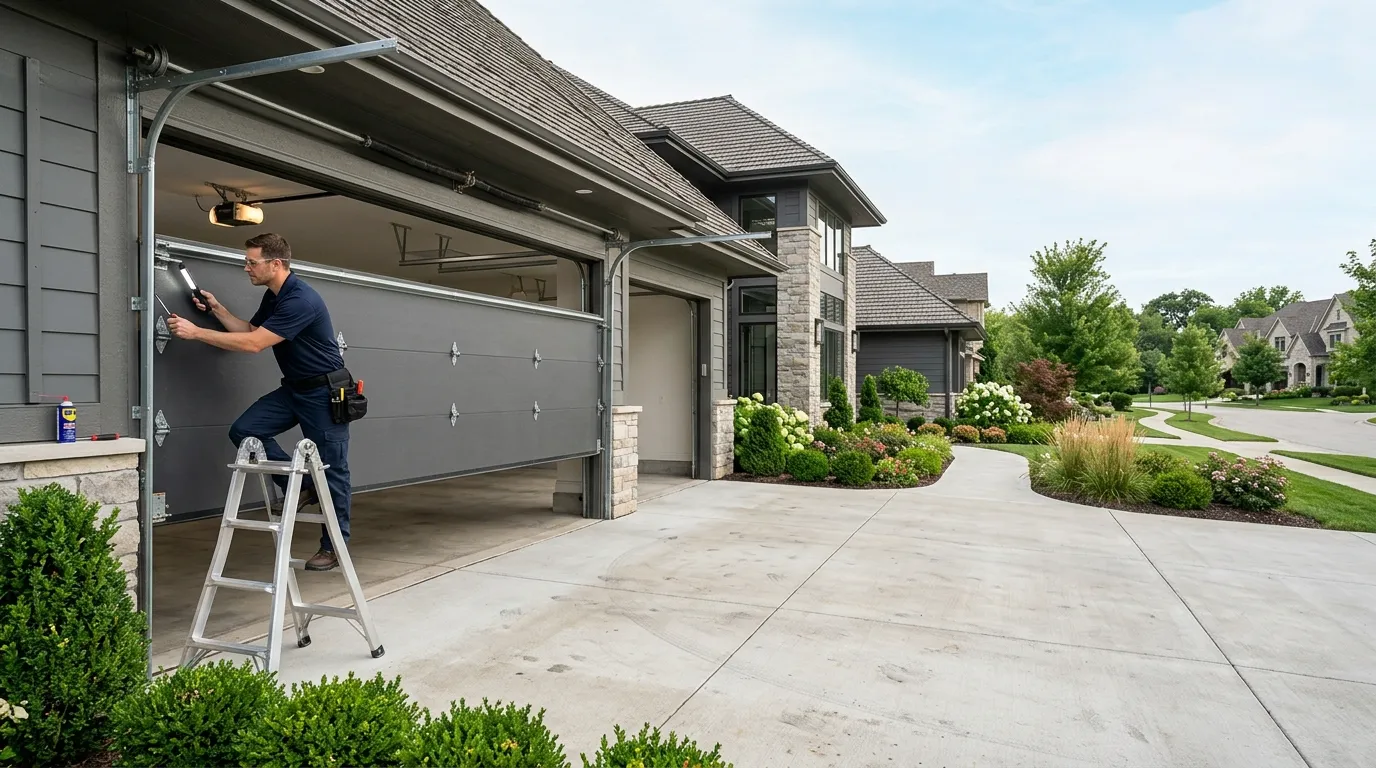
Keeping a 1987-Built Garage Door Running in University Park
Garage door maintenance for University Park, TX homes built around 1987, serviced from Irving. Tune-ups for chain-drive openers and older spring setups.
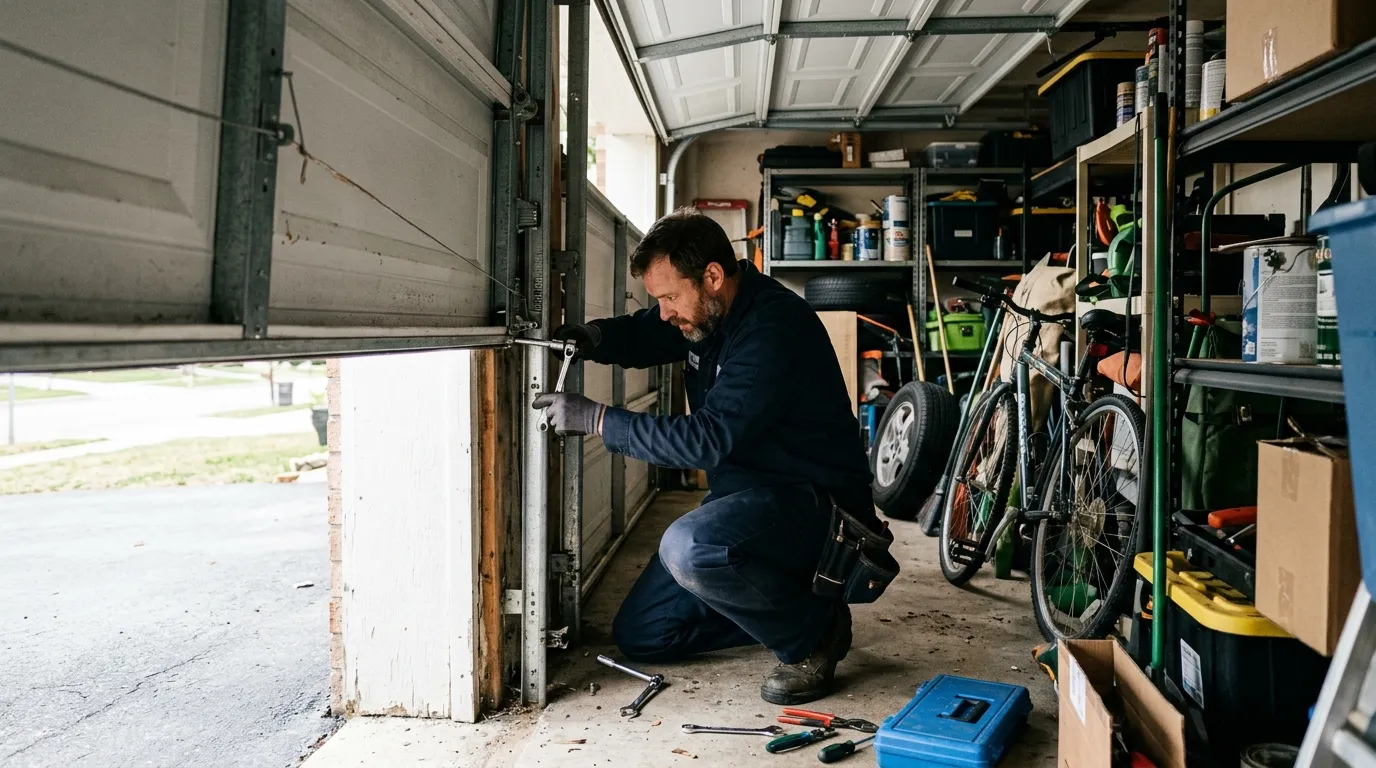
University Park's housing stock centers on 1987, which puts it a bit ahead of the 1993 median for the wider Irving service area and squarely inside the 1980s-90s wave that makes up most of the neighborhoods we cover. A door that went up in 1987 almost certainly came with a chain-drive opener, steel panels with minimal insulation, and hardware sized for a lighter, non-insulated slab. Thirty-plus years on, that's a lot of open-and-close cycles on original springs and roller tracks that were never meant to run this long without attention.
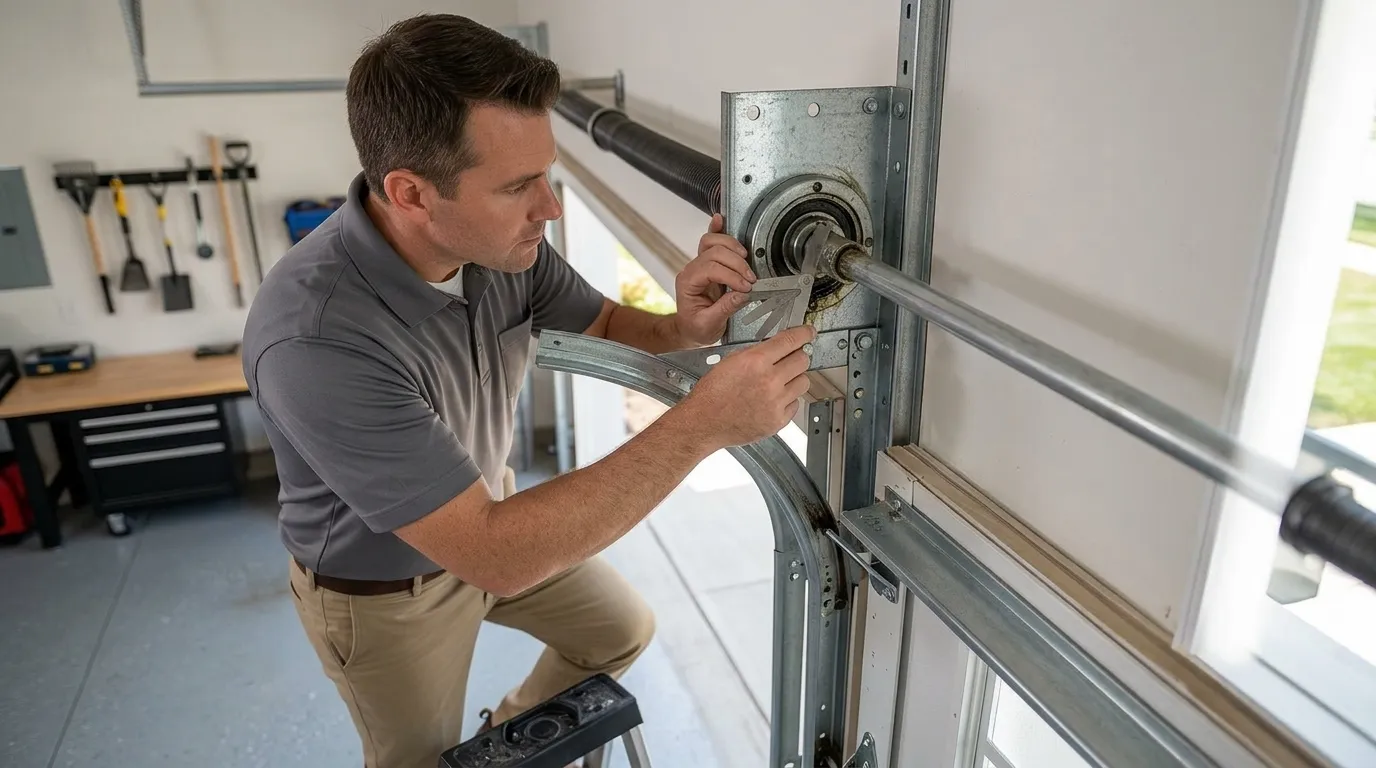
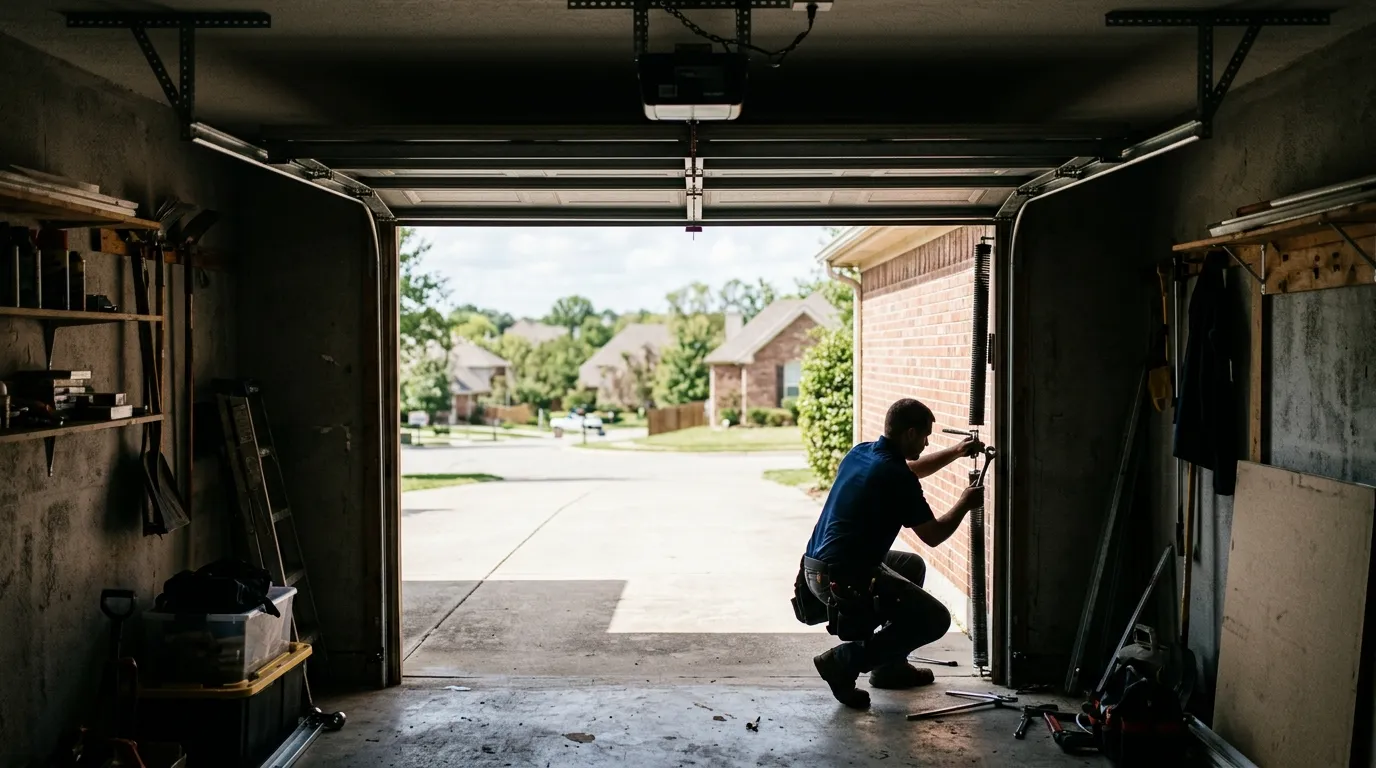
The service area sits in a moderate-heat climate band, which matters more than people think for maintenance. Heat cycling dries out lubrication on torsion springs faster than owners expect, and rubber seals on doors from the late '80s were never built for decades of expansion and contraction. On a door this age, the failure you're heading off isn't usually dramatic - it's a spring losing tension unevenly, or a chain drive skipping a tooth because the sprocket has worn down. Catching that during a maintenance visit is a lot cheaper than the emergency call that follows if it doesn't get caught.
Parts We Carry
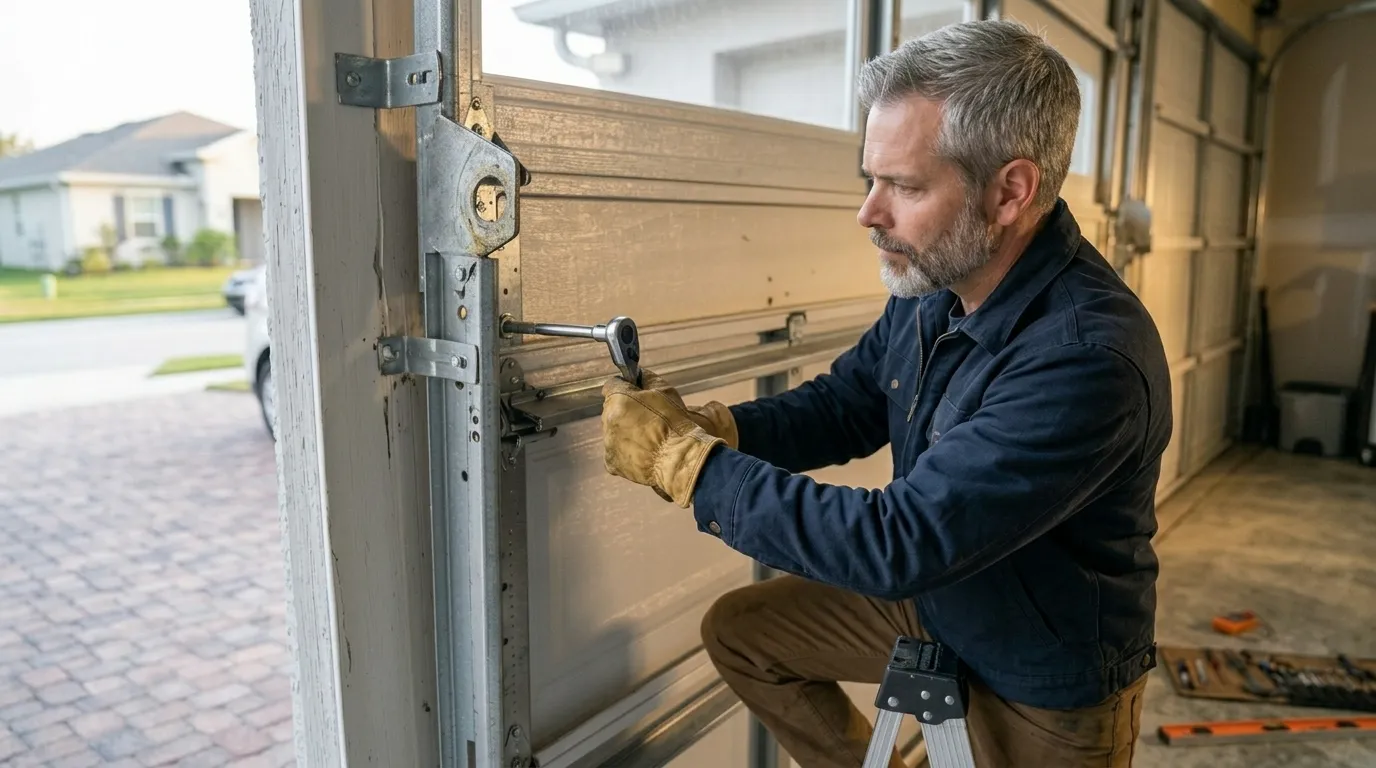
For a door from the University Park build era, the truck stock that matters most is rollers, cables, torsion springs sized for older steel doors, and chain-drive opener parts - sprockets, chain, drive gears. These cover the bulk of what fails on a 1987-era setup during a routine visit.
Where it gets harder is anything tied to the specific opener model or a door manufacturer that stopped making that panel profile years ago. If a homeowner has an original opener from that period, some circuit boards or specific gear kits aren't something we carry on the truck and have to be special-ordered. We'll tell you straight if that's the case rather than swap in a part that doesn't fit right. Given how many homes in this pocket of the service area are still running close to original hardware, this comes up more here than it does in newer construction elsewhere in the area.
How Long You Are Without the Door
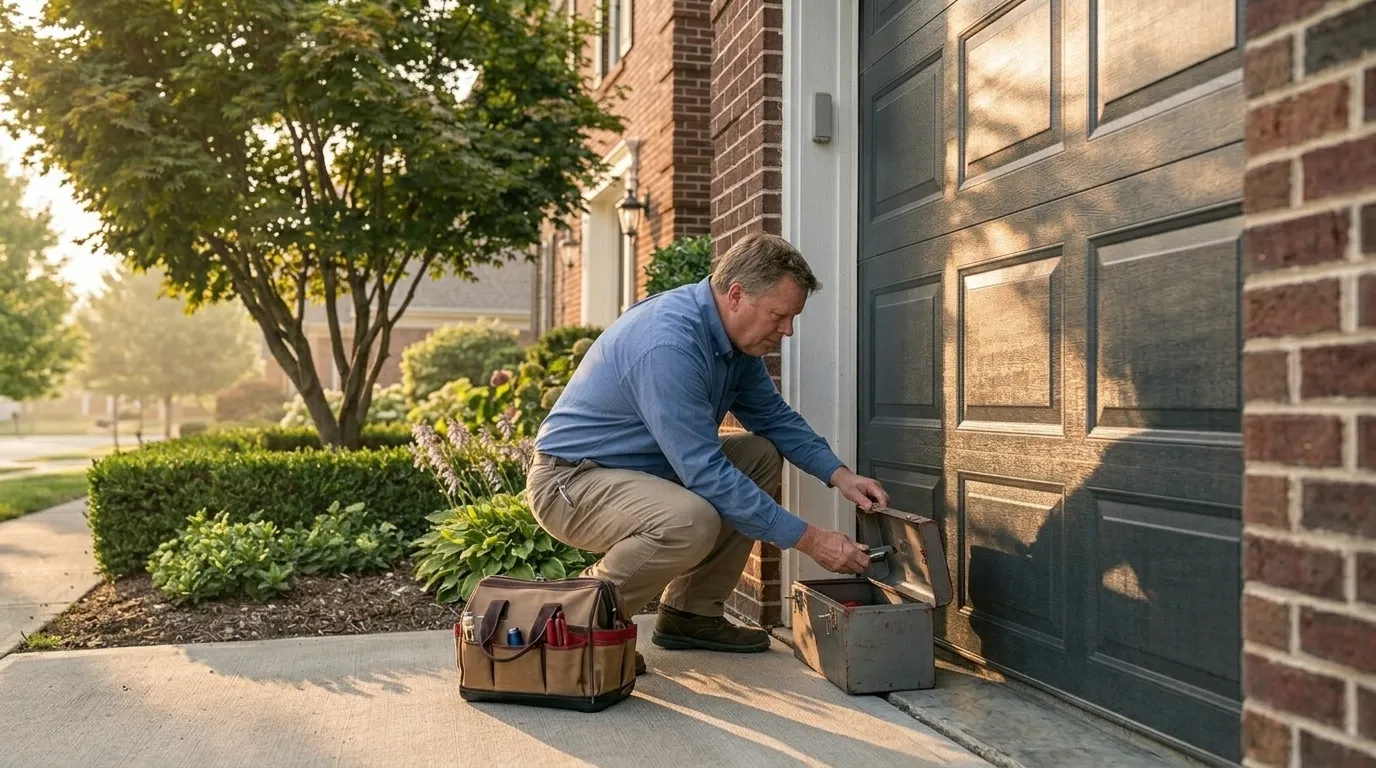
We don't quote a fixed number here because it depends on what the maintenance visit turns up. A tune-up on a door that's holding its adjustment is a short stop - lubrication, tension check, hardware tightened, done. If we find a spring near the end of its life or an opener gear that's chewed down, the door may need to sit until the part is in hand, especially if it's one of the pieces we don't stock for older openers.
University Park sits about 10 miles out from our Irving base, which we factor into scheduling rather than into the repair time itself - the drive doesn't change how long the actual work takes once the truck is there. What does change the timeline is parts. A routine visit with common stock on the truck wraps the same day. Anything that needs an order for older opener hardware means a second trip once the part arrives. We'd rather tell a homeowner that up front than promise a same-visit fix we can't back up.
Where This Job Goes Sideways
The most common miss on a door this age is treating a spring adjustment as a quick fix when the spring itself is undersized for the door. Doors from 1987 were spec'd for the panel weight at the time, and if a homeowner has since swapped in a heavier insulated door or added a decorative overlay, the original springs are working harder than they were built for. That mismatch doesn't show up as a dramatic failure - it shows up as a door that closes unevenly or an opener that strains on the last few inches, which owners often chalk up to the opener needing replacement when the real issue is spring sizing.
With a median household income of $250,001 in this suburb, well above the $146,314 median across the broader service area, we see more of these upgraded or custom door swaps here than in some other pockets we cover. It's worth having the door weight checked against the spring rating whenever a maintenance visit turns up uneven travel, rather than just re-tensioning what's already there and calling it fixed.
How it works
From “it’s stuck” to “it’s fixed”
01
Tell us what’s wrong
Describe the symptom - won’t open, loud bang, opener runs but the door won’t move.
02
On-site diagnosis
A technician tests the door under power and by hand and finds what actually failed.
03
Clear, up-front plan
You get the fix that’s needed and what drives the cost - before any work starts.
04
Repaired & tested
The repair is done, the door is set true and tested, and the work area left clean.
Serving Irving, TX - tell us what your door’s doing and we’ll take it from there.
How old are most garage doors in University Park likely to be?
Housing in University Park centers on 1987, so most original doors and openers are pushing 35+ years old. That typically means a chain-drive opener and a steel panel without much insulation - hardware that's outlasted its expected service life and is due for a full check rather than a quick fix.
Do you have a local branch in University Park?
No. We work out of Irving, about 10 miles from University Park, and schedule maintenance visits out to this suburb from there. There's no separate depot here - just a truck coming out for the appointment.
Why would my opener need a part you don't carry?
Some circuit boards and gear kits for openers from the late 1980s aren't common enough to keep stocked on the truck. If your unit needs one of those, we'll say so at the visit and order it rather than force a part that doesn't match your model.
Is a full spring replacement ever the right call during maintenance?
Sometimes. If a spring is sized for the original 1987 door weight and the panel's since been swapped for something heavier or more insulated, re-tensioning the old spring just masks the real problem. A mismatch like that is worth flagging during a routine visit rather than waiting for a failure.
Ready to get your garage door sorted?
Tell us what it’s doing and where you are in Irving - we’ll take it from there.