What the Fix Involves
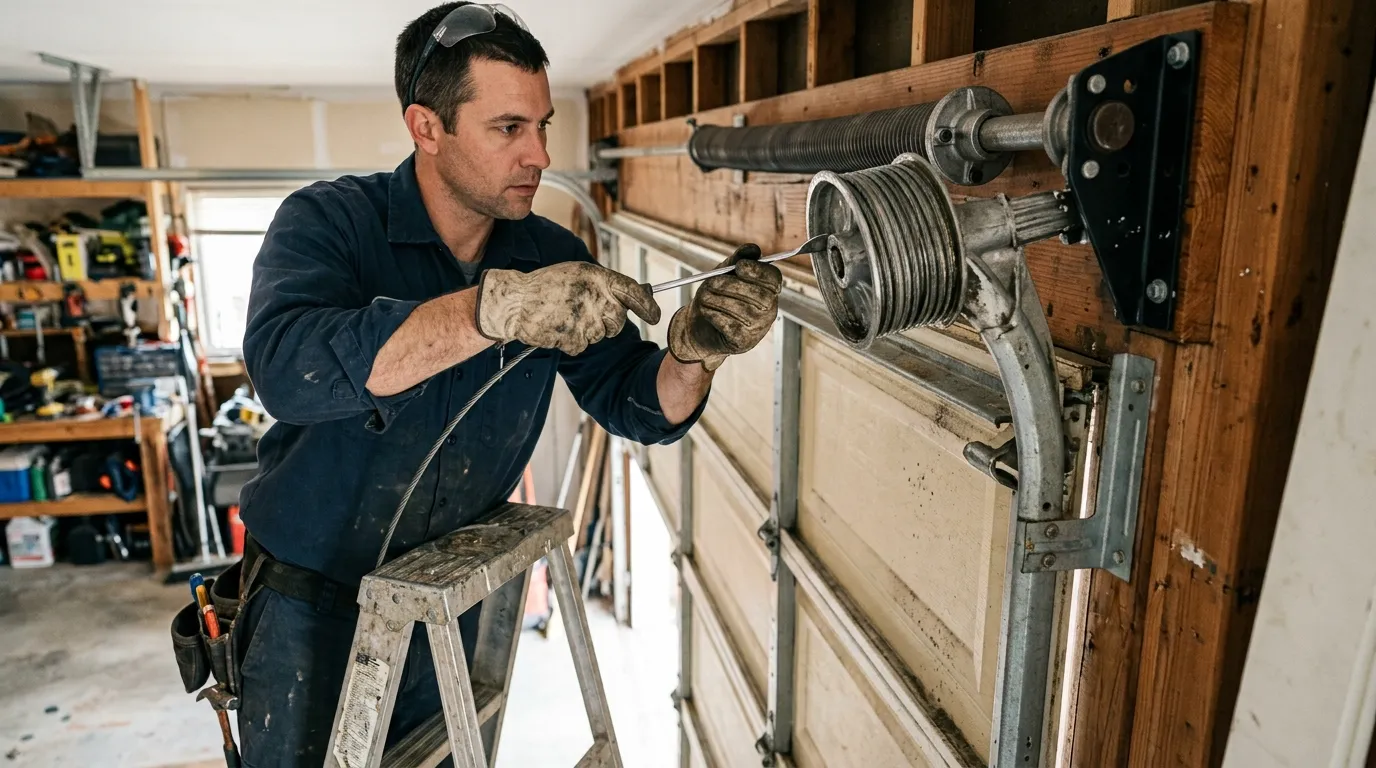
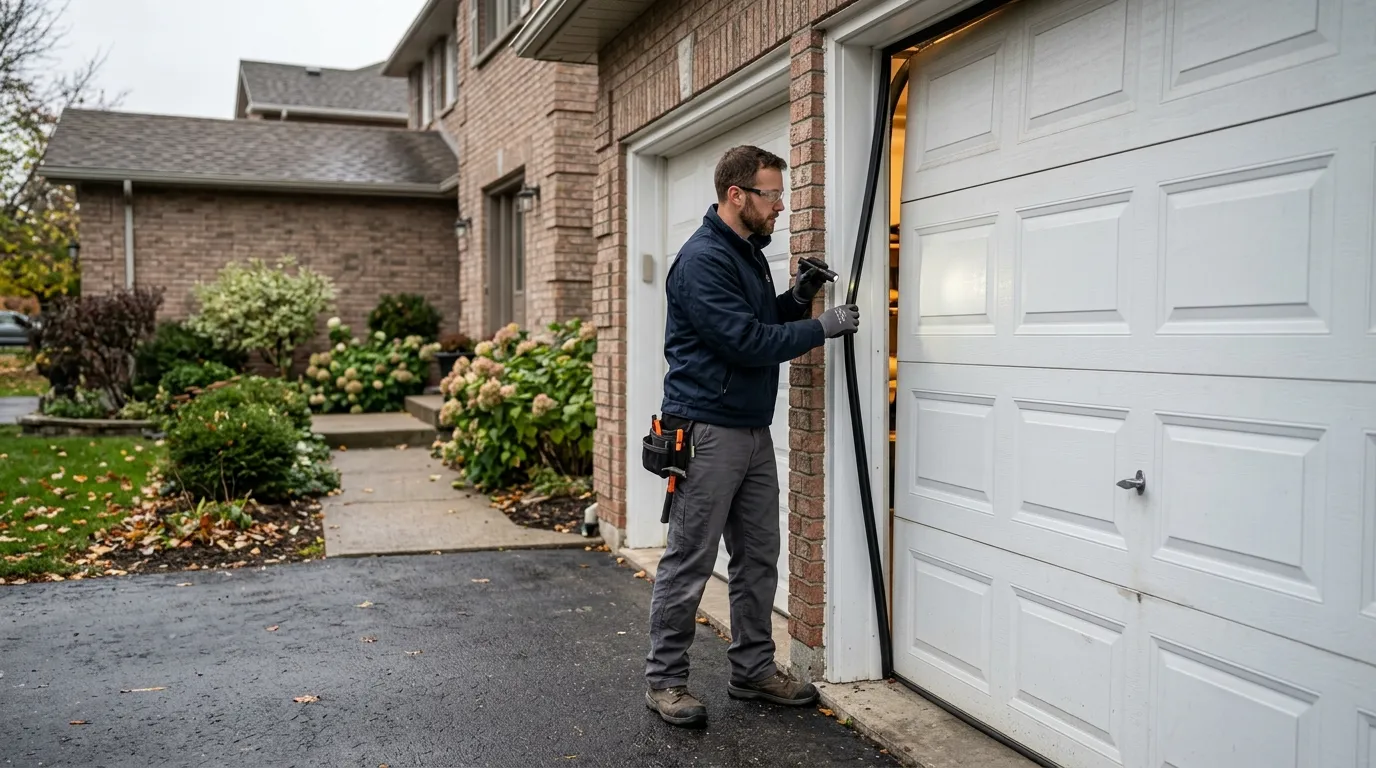
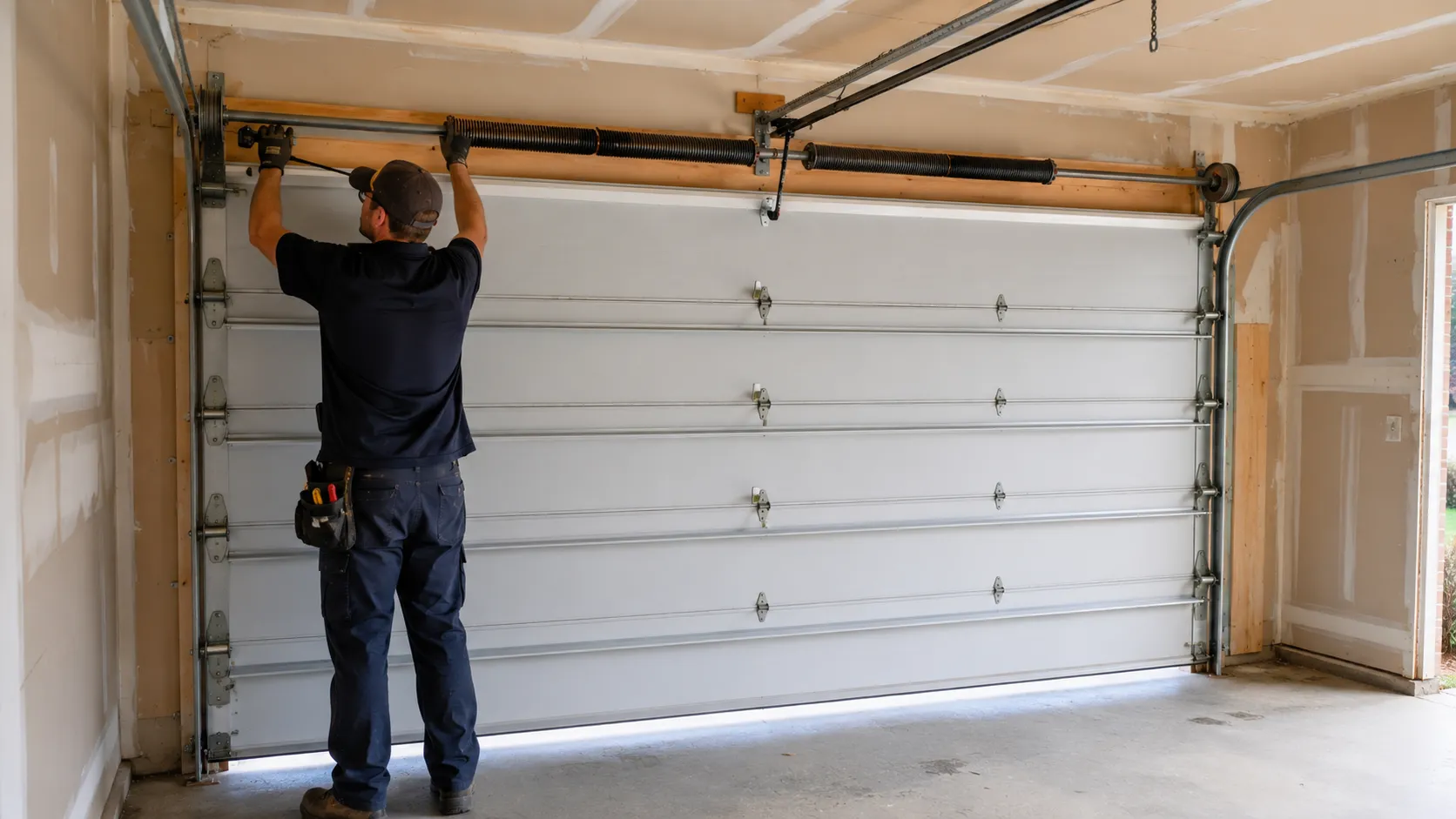
Doors built around 1991, which is close to the median build year for houses in this stretch of the metro, were almost never fitted with nylon rollers from the factory. That was a later upgrade. What's in the track now is usually the original galvanized steel roller with a plain steel stem and a bearing sleeve that's had close to three decades to dry out and pit. The fix is roller-by-roller: we release spring tension, unclip or unscrew each hinge, slide the old roller out, and fit either a matching steel roller or a sealed nylon roller with ball bearings, depending on what you want going forward.
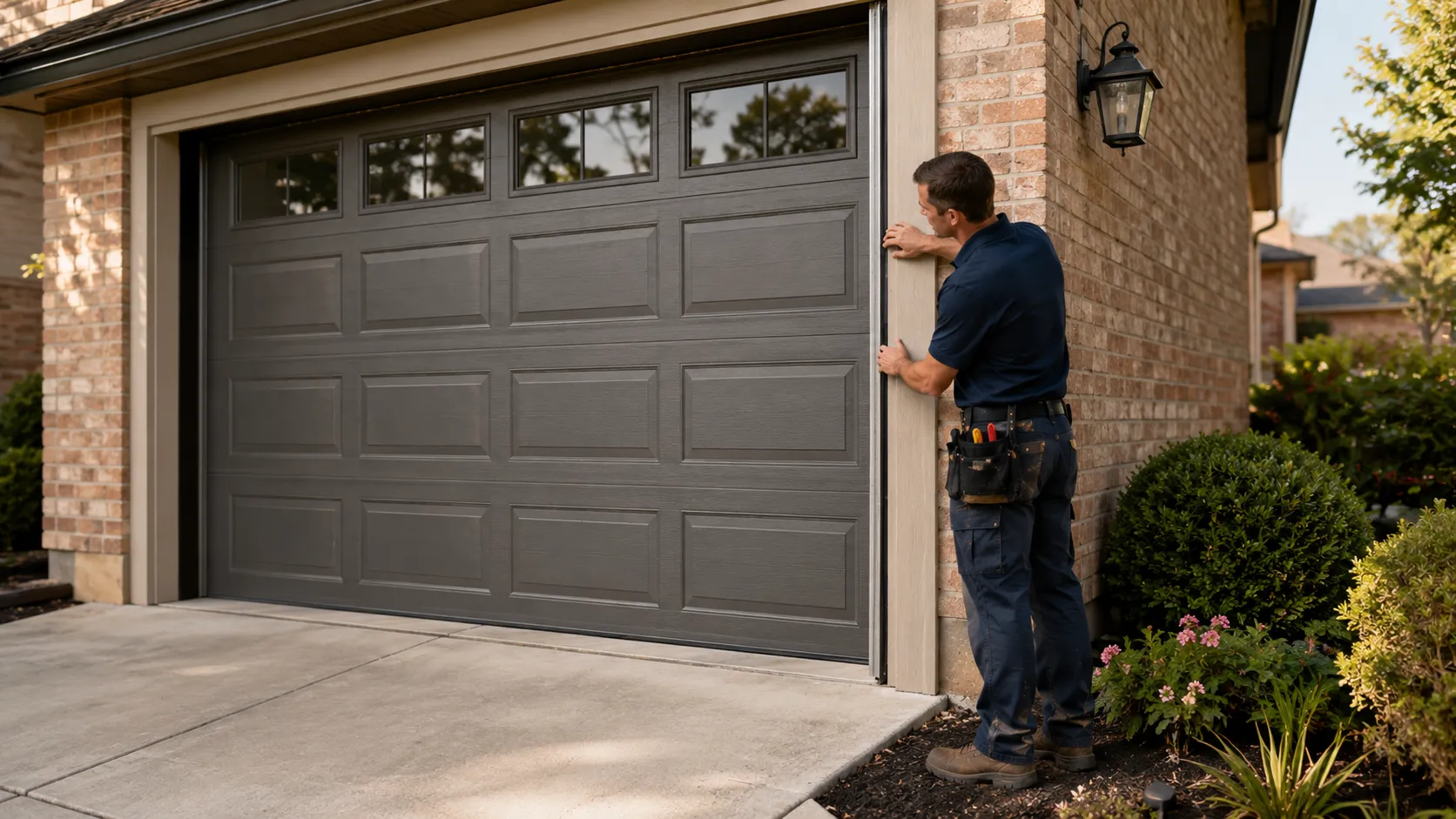
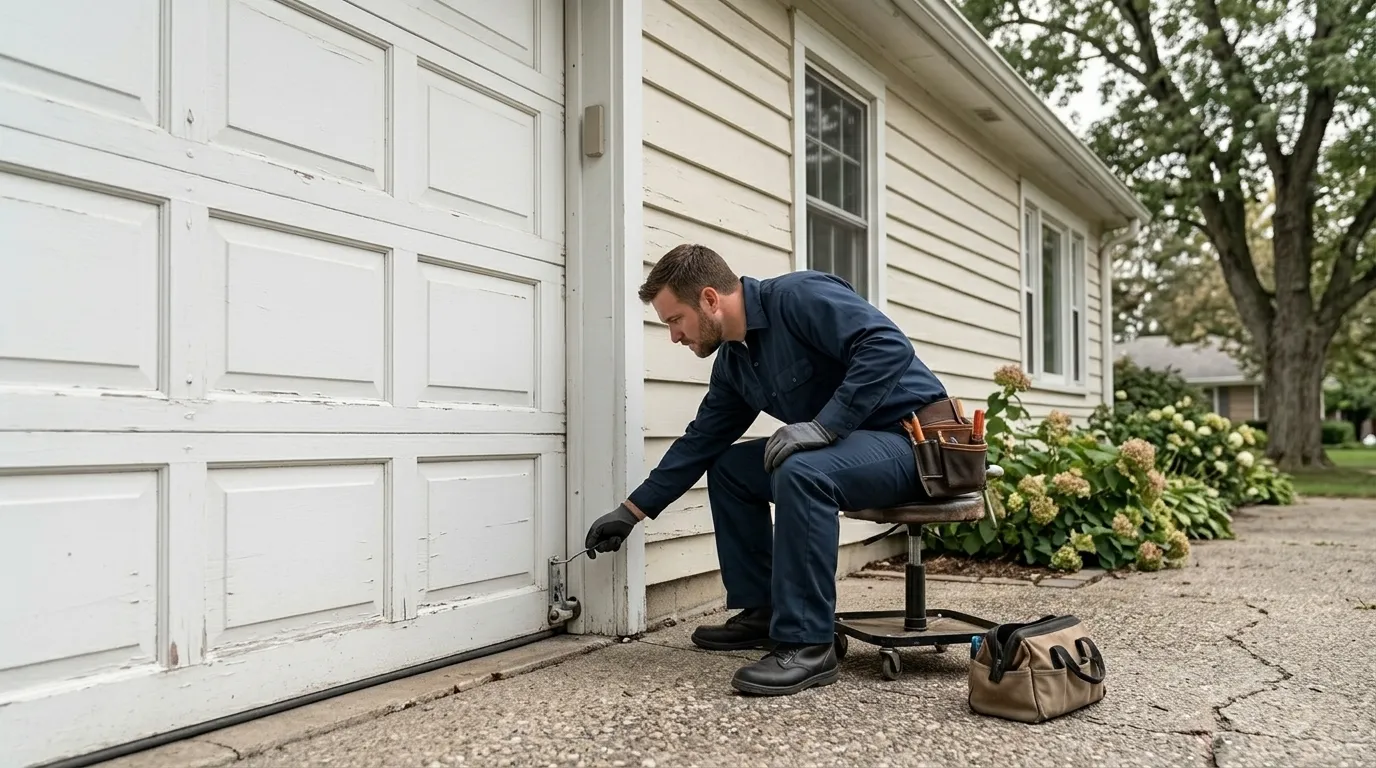
We also check the track alignment while we're in there. Steel track from that era can be bent or pinched from decades of a rough-running roller grinding against it, and a new roller in a bent track will just wear out again fast. If the track's the actual problem, we'll say so before we quote roller parts alone. One thing we don't do on this call is open-ended troubleshooting of the opener itself - if the rollers are fine and something else is making the door hesitate, that's a separate diagnosis.
The Cost of This Job
We don't have a published price to post here, and quoting one without seeing the door would be a guess - a single-car door with four rollers is a different job from a double door with eight, and steel rollers cost less than sealed nylon ones. What we can tell you is how the number gets built: rollers themselves are inexpensive, so most of the cost on a roller-only job is labor and the drive time from Irving, not parts.
Household income in this part of Grand Prairie runs lower than some of the neighborhoods further north in our coverage area, and we get asked more often here about steel-roller replacement instead of the nylon upgrade, mainly because steel does the job and costs less up front. Nylon rollers run quieter and last longer, but if the door's original hardware still lines up fine, steel is a reasonable call, not a downgrade.