How Long You Are Without the Door
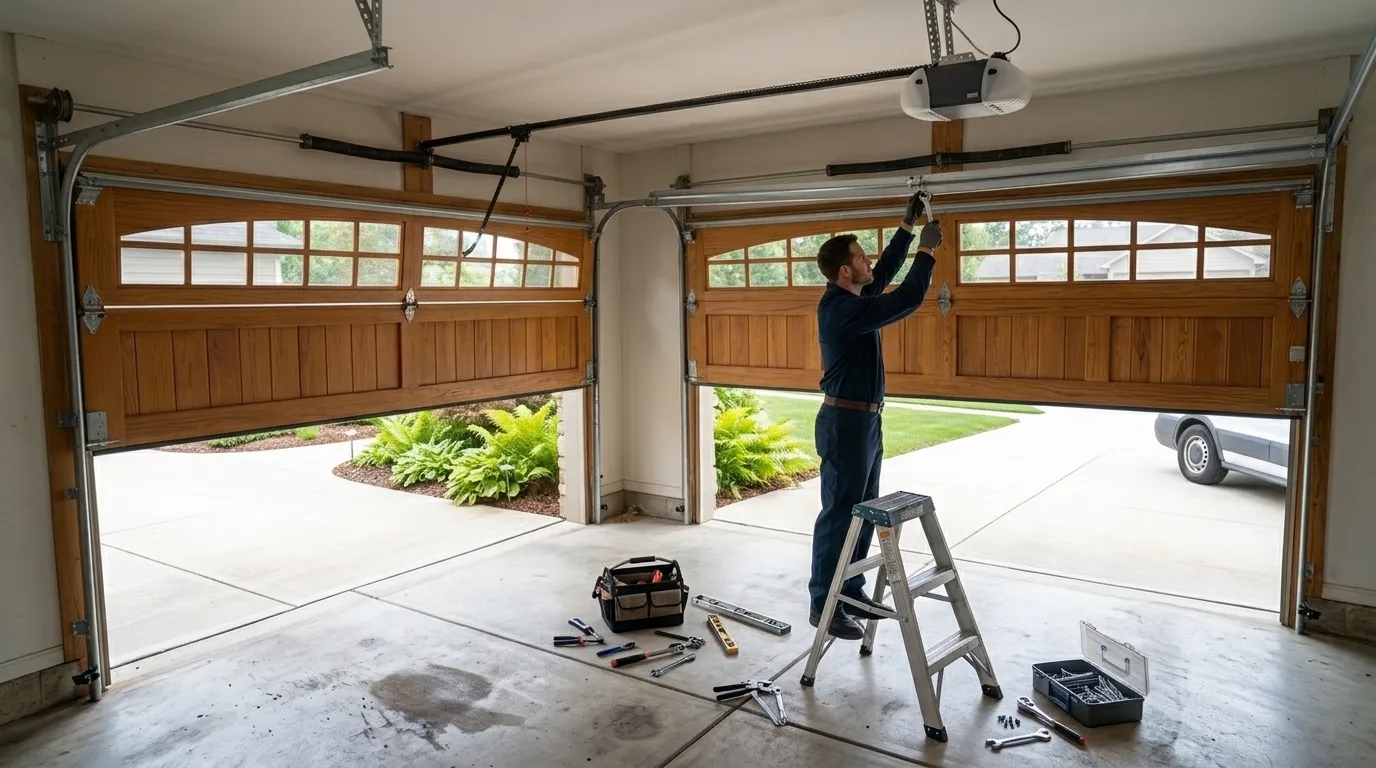
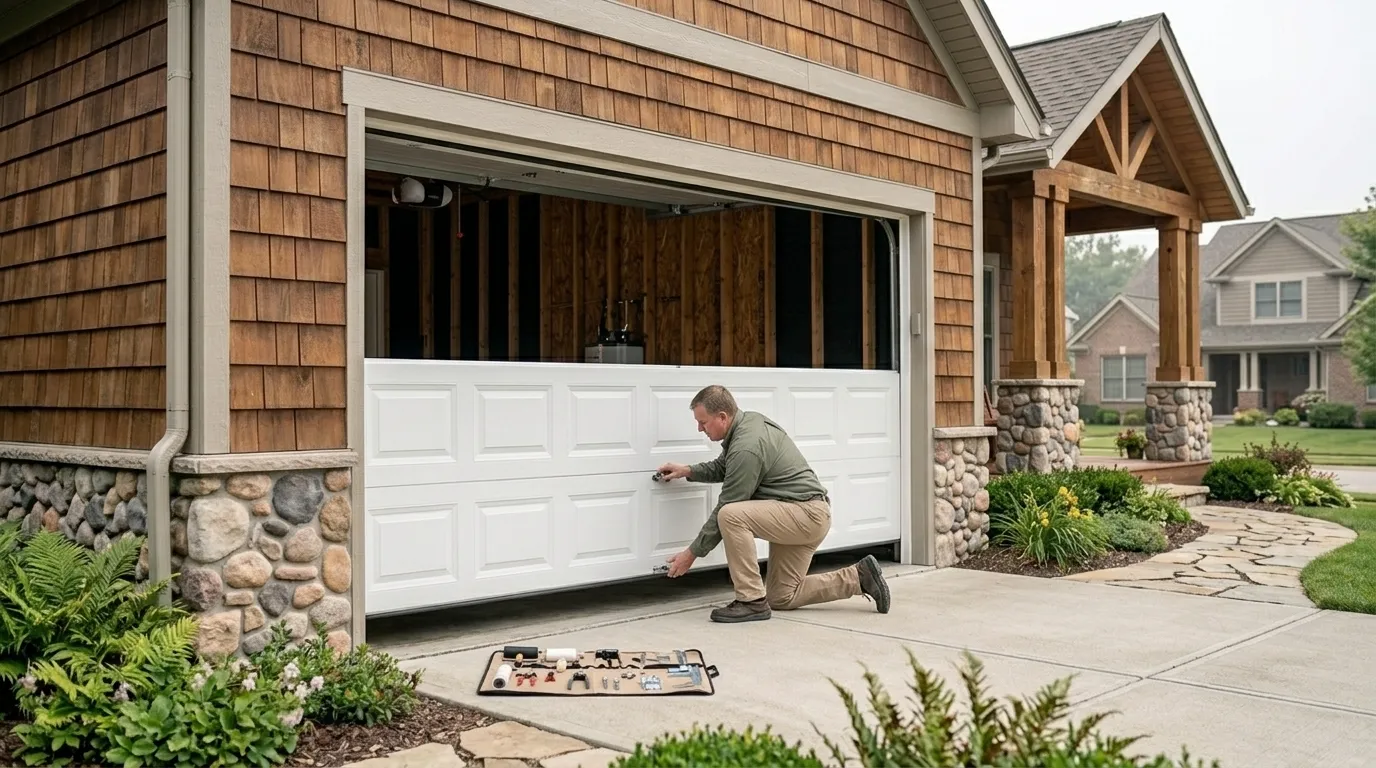
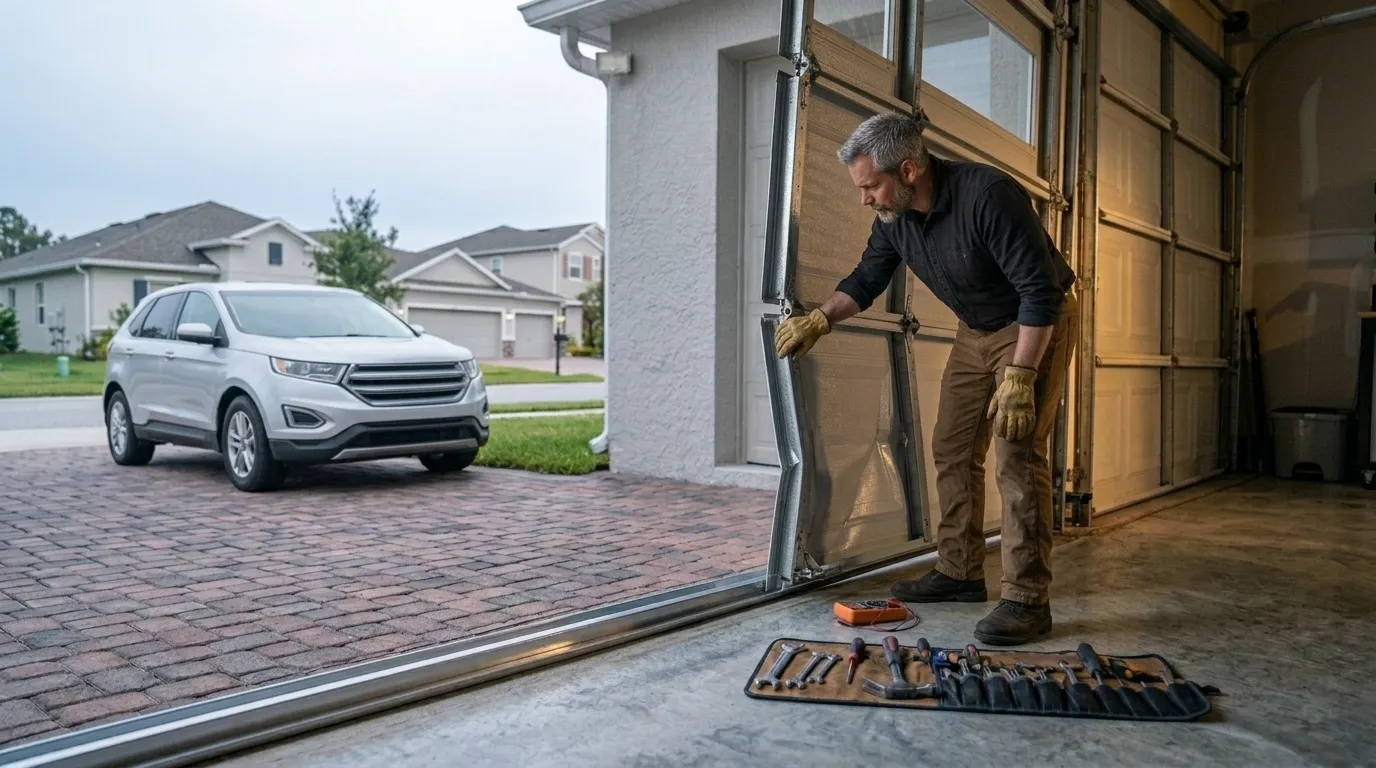
The mechanical swap itself, once the crew is on site, runs a couple of hours for a straightforward single opener: disconnect the old head, mount the new rail and motor, wire the sensors, program the remotes, run the door through a full cycle to check travel limits and force settings. A second bay or a door that needs spring work first adds time. We're not going to promise a same-day window here since the crew is routing from Irving, sixteen miles out, and Keller sits toward the far edge of that run. What we can tell you is that once the job starts, the door isn't sitting half-open or unpowered longer than it takes to finish the install and test it. If the old opener failed with the door stuck down, we get it manually released so you're not locked out of the garage while you wait on a scheduled visit.
Can You Do This Yourself
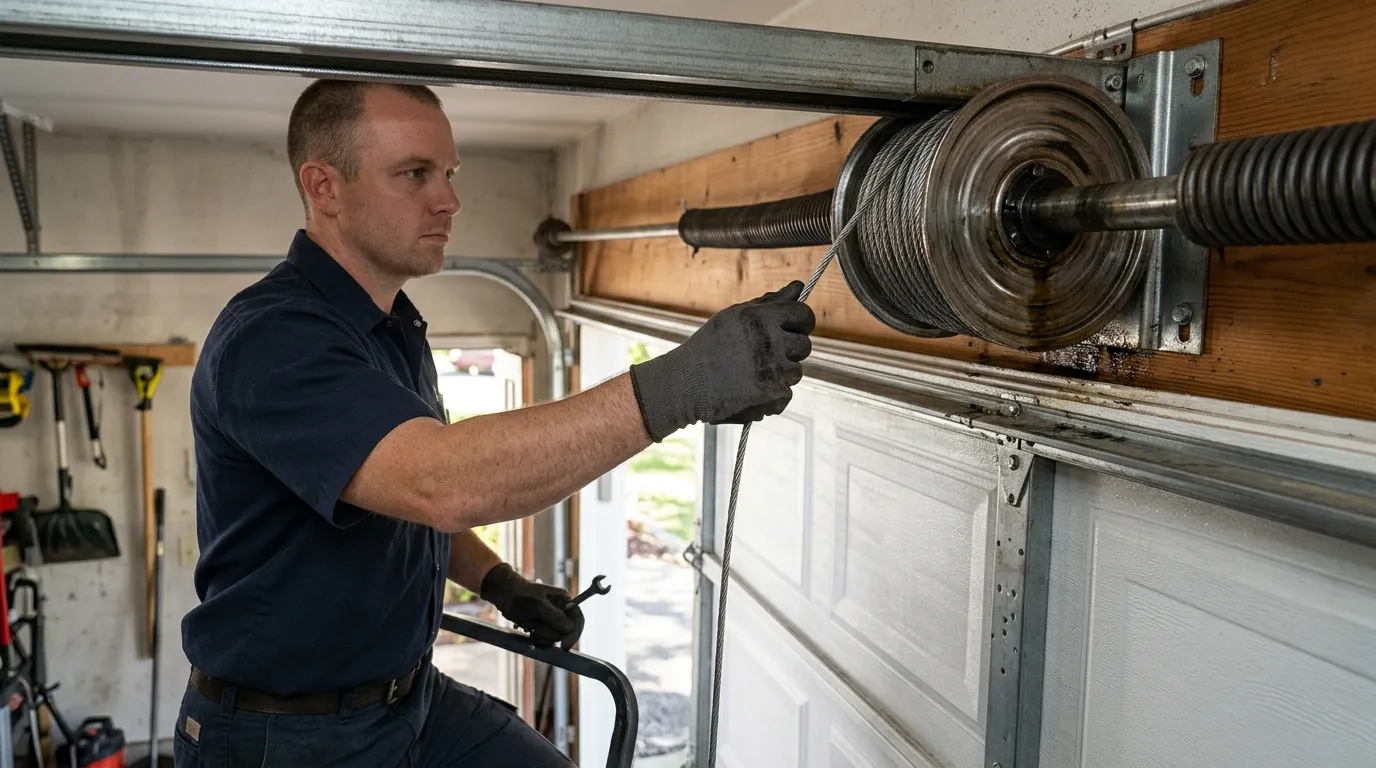
You can hang an opener yourself if you're comfortable on a ladder with a torque wrench and you read the manual on sensor alignment twice. Where people get hurt, or get an opener that never works right, is skipping the safety-reversing sensor test and the force adjustment. A door that doesn't reverse on contact isn't a minor miss; it's the entire reason those sensors exist. If your existing door and track are original to a 1999 build, there's also a decent chance the header bracket or the mounting surface has settled or cracked slightly over twenty-five years, and that's not obvious until the new motor is bolted to it and starts vibrating loose. Our honest limit here: we don't install openers on doors we haven't inspected first. If the door's balance or hardware needs work, we'll say so before the opener goes on, not after it fails.
How to Book
You can look at what we cover for Keller on our area page, which lays out the neighborhoods and the general run from Irving. If you're comparing this against the broader opener install service, the Irving opener installation page covers the mechanics of the job in more depth. From there it's a call to get a technician scheduled out to Keller; since we're routing in from Irving rather than working out of a local branch, we ask for the make and rough age of your current opener up front so the truck comes loaded with the right rail length and hardware the first time.
Why It Happens Here
Keller's housing stock centers on 1999, which is meaningfully newer than the older end of the service area, where the median build year runs closer to 1993. That gap matters for openers specifically: a house built in 1999 usually got a 1/2-horsepower chain-drive unit with an early digital logic board, not the screw-drive or the barely-electronic units from a decade earlier, and not the belt-drive, battery-backup units sold today either. Those mid-90s-to-2000 boards are now old enough that capacitors dry out and drive gears strip, and it tends to happen in clusters as houses built in the same year hit the same age at the same time. The area's heat band is moderate rather than extreme, so we're not chasing the kind of thermal cycling failures you'd see somewhere hotter, but summer attic heat still shortens the life of a board mounted right under the roof deck. With Keller's household income running well above the wider area's median, we also see more requests for the quieter belt-drive replacements and battery-backup units than the area average would suggest.